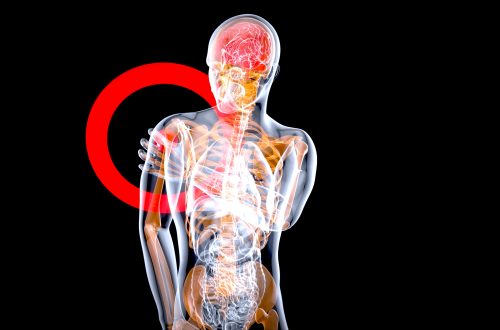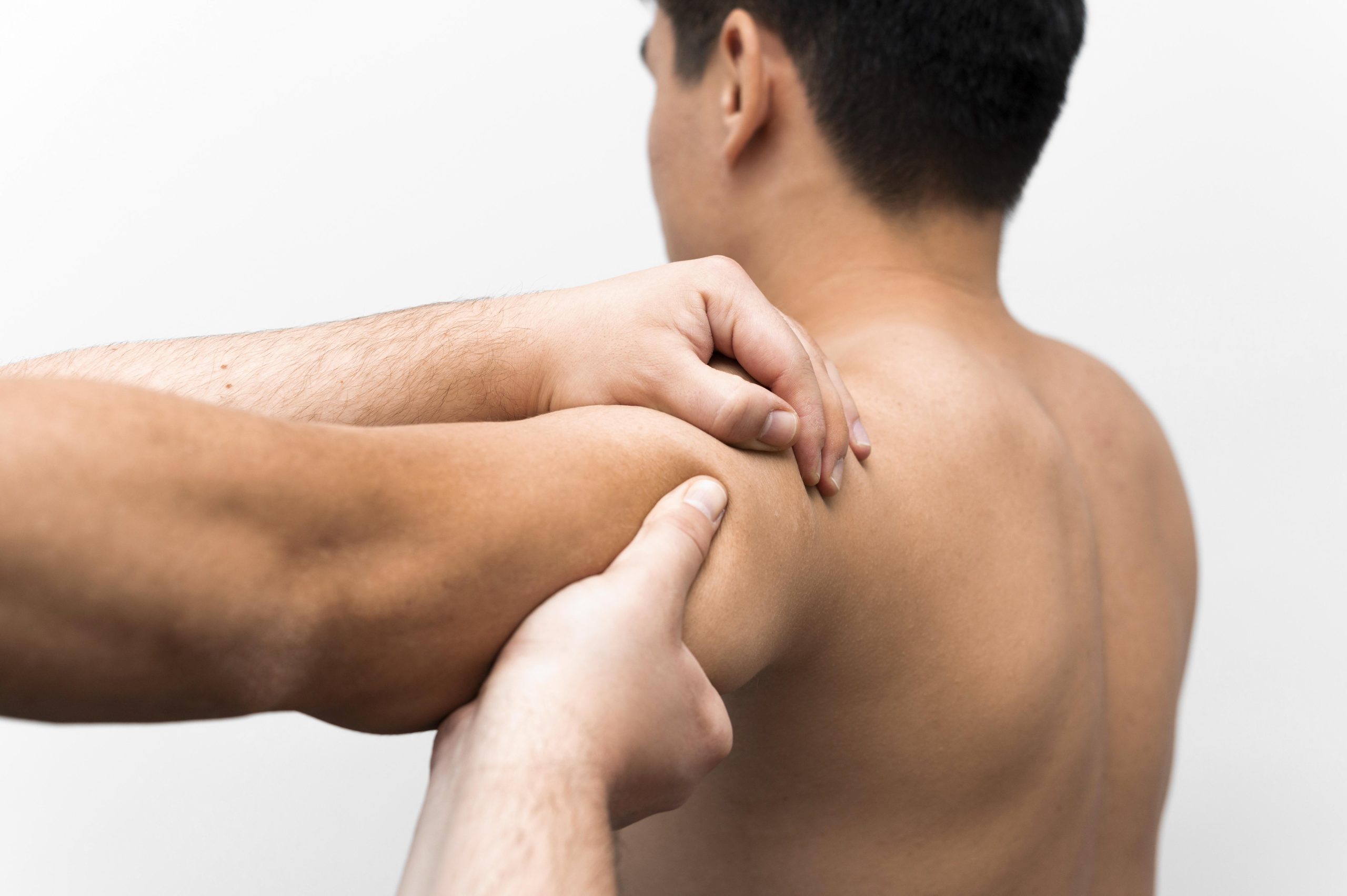

Muscle trigger points commonly called muscle knots are small, tight, and painful spots within a muscle. They can cause discomfort not only in the area where they form but also in nearby regions due to referred pain. Many people experience muscle trigger points in their neck, shoulders, back, arms, or legs, especially due to stress, poor posture, overuse, or injury.
If you’re looking for practical ways to release muscle trigger points at home, this guide will walk you through the best techniques, tools, and tips to relieve muscle tension effectively and safely.
What Are Muscle Trigger Points?
A trigger point is a sensitive area in a muscle that becomes tight and painful due to:
- Overuse or repetitive strain
- Poor posture
- Muscle weakness
- Stress and tension
- Previous injuries
- Lack of mobility or stretching
Trigger points feel like small hard nodules or “knots” when you press on them. They often cause:
- Sharp or aching pain
- Tightness in surrounding muscles
- Limited range of motion
- Referred pain (pain felt in a different area than the trigger point)
Example: A trigger point in the neck may cause headaches or shoulder pain.
For more detailed insights, you may also explore:
👉 What Is Trigger Point Release
1. Apply Pressure to the Trigger Point (Ischemic Compression)
One of the simplest and most effective ways to release a trigger point is direct pressure.
How to Do It:
- Locate the tight knot using your fingers.
- Press gently but firmly on it using your thumb, thumb knuckle, or finger.
- Hold the pressure for 20–30 seconds until you feel the tension reduce.
- Release slowly and repeat 2–3 times.
This method helps relax the muscle fibers and increase blood flow.
When to Use:
- For small, easy-to-reach trigger points
- When you experience acute muscle tension
- During warm-up or cooldown routines
If you have neck-related tension headaches due to trigger points, also check:
👉 Can Stress Cause Neck Pain
2. Use a Massage Ball or Foam Roller
When trigger points are deep or hard to reach, tools like foam rollers, massage balls, lacrosse balls, or tennis balls can help apply pressure more effectively.
How to Use a Ball:
- Place the massage ball between your muscle and a wall or floor.
- Lean into it to apply pressure.
- Roll very slowly over the tight spot.
- Pause on painful points for 20–30 seconds.
How to Use a Foam Roller:
- Lie on the foam roller.
- Roll gently over the tight muscle group.
- Stop when you find a tender nodule.
- Hold and breathe deeply until pain reduces.
This is especially helpful for back, glutes, hamstrings, calves, and upper shoulders.
More specific trigger point release techniques can also be found here:
👉 How to Release Trigger Points in Neck
3. Heat Therapy to Relax Tight Muscles
Heat relaxes muscle fibers, increases blood circulation, and prepares the muscle for release. Use heat before pressure techniques.
Best Ways to Apply Heat:
- Warm shower
- Heating pad
- Hot water bottle
- Warm towel compress
Apply heat for 10–15 minutes to soften the muscles before applying pressure.
When Heat Helps Most:
- Chronic tightness
- Trigger points caused by stress
- Stiffness after sitting long hours
- Post-exercise soreness
4. Gentle Stretching to Reduce Muscle Tension
Once you’ve released a trigger point with pressure or tools, stretching the muscle helps prevent the knot from coming back.
How to Stretch Effectively:
- Hold each stretch for 20–30 seconds
- Avoid bouncing movements
- Stretch slowly and breathe deeply
- Focus on muscles surrounding the trigger point
Examples:
- Neck side bends for upper traps
- Chest stretches for shoulder knots
- Hamstring stretching for lower back relief
If your trigger points are associated with nerve-related issues like sciatica, you may find this helpful:
👉 How to Fix Sciatica Pain
5. Use Dry Needling or Physiotherapy (Advanced Techniques)
For chronic or stubborn trigger points, professional treatments are often required.
Dry Needling
A physiotherapist inserts thin needles directly into the trigger point to release tight muscle bands.
Learn more:
👉 Does Dry Needling Really Work
Manual Therapy
A physiotherapist can use:
- Myofascial release
- Soft tissue mobilization
- Joint mobilization
- Cupping
- Trigger point pressure techniques
These treatments are extremely effective when home methods don’t provide enough relief.
6. Improve Posture and Ergonomics
Bad posture especially forward head posture, slouching, and rounded shoulders is a leading cause of muscle knots.
Corrective Steps:
- Keep your screen at eye level
- Sit upright with your shoulders relaxed
- Use a footrest if needed
- Adjust your chair height
- Take breaks every 30–45 minutes
Poor posture often leads to tight neck muscles and headaches.
7. Stay Hydrated and Maintain Healthy Muscles
Dehydration makes muscles more prone to cramping and trigger point formation. Drinking enough water and maintaining a balanced diet rich in electrolytes, magnesium, and potassium can prevent muscle tightness.
You can also explore long-term solutions for chronic muscle tension or pain on your blog like:
👉 How to Treat Arthritis Pain Naturally
When to Seek Professional Help
Seek medical help if you experience:
- Trigger points that don’t resolve after weeks
- Constant muscle pain or limited mobility
- Pain radiating to arms, legs, or causing numbness
- Headaches or dizziness linked to neck tension
- Trigger points after an injury
These could indicate underlying issues like cervical disc problems, nerve compression, or chronic muscular imbalance.
Final Thoughts
Releasing muscle trigger points at home is absolutely possible with the right techniques pressure, massage tools, heat, stretching, and posture correction. Consistency is key. The more often you work on relaxing and strengthening your muscles, the fewer trigger points you’ll develop over time.
By combining these methods with a healthy lifestyle, proper ergonomics, and professional treatment when needed, you can keep your muscles flexible, relaxed, and pain-free.