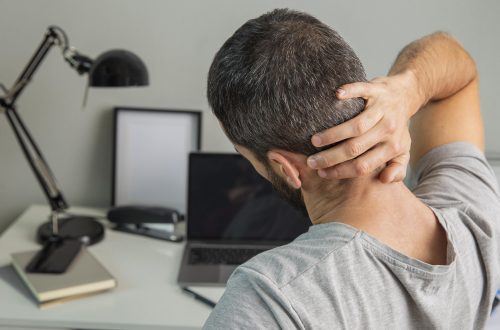

Neck pain is one of the most common musculoskeletal problems today. Long hours on smartphones, laptops, poor sleeping posture, stress, and lack of physical activity have made neck pain a daily issue for people of all ages. The discomfort can range from mild stiffness to sharp pain that restricts movement and affects daily life.
The good news is that most neck pain can be reduced and managed effectively with simple lifestyle changes, exercises, and home remedies. In this article, we’ll explore practical and proven ways to reduce neck pain naturally and prevent it from coming back.
Common Causes of Neck Pain
Understanding the cause is the first step in reducing neck pain. Some common triggers include:
- Poor posture while sitting or using mobile phones
- Sleeping in an incorrect position
- Stress and muscle tension
- Long hours of desk work
- Sudden movements or minor injuries
- Weak neck and upper back muscles
In many cases, neck pain develops gradually due to daily habits rather than a single injury.
1. Improve Your Posture Throughout the Day
Poor posture is one of the leading causes of chronic neck pain. Slouching, forward head posture, and rounded shoulders put constant strain on neck muscles.
How to fix it:
- Keep your screen at eye level
- Sit with your back straight and shoulders relaxed
- Avoid bending your neck while using your phone
- Take posture breaks every 30–40 minutes
If posture correction is a long-term concern, you may find this helpful: can a chiropractor fix my posture, which explains how spinal alignment affects neck health.
2. Stretch Your Neck and Shoulders Daily
Gentle stretching improves blood flow, reduces stiffness, and relaxes tight muscles.
Simple neck stretches:
- Slowly tilt your head side to side
- Rotate your neck clockwise and anticlockwise
- Pull your shoulders up, then release
- Gently stretch the upper trapezius muscles
Stretching twice a day can significantly reduce neck stiffness and prevent pain from worsening.
If muscle tightness is a recurring issue, you can also explore how to release trigger points in neck to understand deeper muscle tension relief.
3. Manage Stress and Mental Tension
Stress doesn’t just affect your mind it directly impacts your muscles. When stressed, people unconsciously tighten their neck and shoulder muscles, leading to pain.
Signs your neck pain may be stress-related:
- Pain worsens during stressful periods
- Tightness in shoulders and upper back
- Headaches along with neck discomfort
Relaxation techniques such as deep breathing, meditation, and light yoga can help. To understand this connection better, read can stress cause neck pain, which explains how emotional stress leads to physical discomfort.
4. Use Heat or Cold Therapy
Temperature therapy is a simple yet effective way to reduce neck pain.
- Heat therapy relaxes tight muscles and improves circulation
- Cold therapy reduces inflammation and numbs pain
Apply a heating pad or warm towel for muscle stiffness, or an ice pack if pain is due to strain or swelling. Use for 10–15 minutes at a time.
5. Fix Your Sleeping Position
Your sleeping posture plays a huge role in neck pain. Sleeping in an awkward position can strain neck muscles for hours.
Tips for better neck support:
- Use a pillow that keeps your neck aligned with your spine
- Avoid sleeping on your stomach
- Sleep on your back or side with proper neck support
If morning neck pain is common for you, this guide can help: how to prevent neck pain when sleeping.
6. Strengthen Neck and Upper Back Muscles
Weak muscles make the neck more vulnerable to strain. Strengthening exercises improve support and stability.
Helpful exercises include:
- Chin tucks
- Shoulder blade squeezes
- Resistance band rows
- Wall posture exercises
Start slowly and increase intensity gradually to avoid overuse.
7. Reduce Screen Time and Eye Strain
Extended screen usage causes forward head posture and eye strain, both of which contribute to neck pain.
Tips:
- Follow the 20-20-20 rule for screen breaks
- Adjust screen brightness
- Avoid prolonged phone use with head bent forward
Reducing screen dependency alone can dramatically reduce neck tension.
8. Massage and Manual Therapy
Gentle self-massage or professional therapy can relax tight muscles and improve circulation.
Techniques that help:
- Neck and shoulder massage
- Trigger point therapy
- Sports massage
Massage works especially well when neck pain is caused by muscle tightness rather than structural issues.
9. Stay Active and Avoid Prolonged Rest
While rest is important during acute pain, prolonged inactivity can worsen stiffness. Light movement, walking, and gentle exercises keep muscles flexible and prevent pain from becoming chronic.
When to See a Doctor
Seek medical attention if:
- Neck pain lasts more than 2–3 weeks
- Pain radiates to arms with numbness or weakness
- Neck pain follows an accident or injury
- You experience dizziness or headaches frequently
In some cases, neck pain may be linked to other conditions. For example, can neck pain cause dizziness explains when neck issues affect balance and head sensations.
Final Thoughts
Reducing neck pain doesn’t always require medication or invasive treatment. In most cases, small daily changes better posture, regular stretching, stress management, and proper sleep can make a big difference.
Consistency is key. By addressing both physical and lifestyle factors, you can not only reduce neck pain but also prevent it from returning.