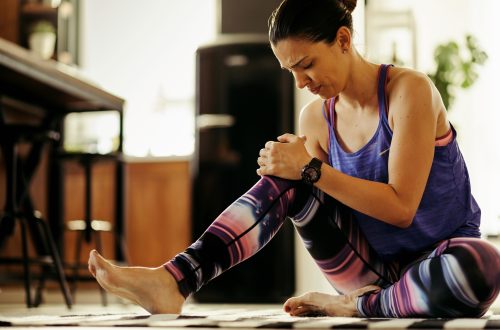

Sports and physical activities are excellent for maintaining fitness, strength, and mental well-being. However, sports injuries are common and can affect athletes of all levels from beginners to professionals. Injuries not only cause pain but can also lead to long recovery periods, reduced performance, and long-term health problems if not managed properly.
The good news is that most sports injuries are preventable. With the right preparation, awareness, and habits, you can significantly reduce your risk. In this article, we’ll explore practical and proven ways to prevent sports injuries and stay active safely.
Why Sports Injuries Happen
Understanding the causes of sports injuries is the first step toward prevention. Common reasons include:
- Poor warm-up or stretching
- Overtraining or sudden increase in activity
- Incorrect technique or posture
- Muscle weakness or imbalance
- Inadequate rest and recovery
- Wearing improper footwear or gear
Athletes who ignore early warning signs like stiffness or mild pain often end up with more serious injuries later.
1. Always Warm Up Before Exercise
A proper warm up prepares your muscles, joints, and nervous system for physical activity. It increases blood flow, improves flexibility, and reduces muscle stiffness.
A good warm-up should include:
- Light cardio (jogging, jumping jacks)
- Dynamic stretches (arm swings, leg swings)
- Sport-specific movements
Skipping warm-ups is one of the most common reasons for muscle strains and ligament injuries.
2. Focus on Correct Technique and Form
Using incorrect form during exercise or sports activities puts unnecessary stress on muscles and joints. Over time, this can lead to injuries such as tendonitis, muscle tears, or joint damage.
If you’re unsure about your technique:
- Learn from a qualified coach or trainer
- Start with lighter intensity and progress gradually
- Avoid copying advanced movements too soon
This is especially important in high-impact sports like football, basketball, or weightlifting.
3. Strengthen Muscles and Improve Flexibility
Strong muscles provide better support to joints, while flexibility helps maintain a healthy range of motion.
Key areas to focus on:
- Core muscles (for balance and stability)
- Legs and hips (for running and jumping sports)
- Shoulders and arms (for throwing and racquet sports)
Regular stretching and strengthening can prevent overuse injuries. You may find helpful guidance in our article on how to avoid sports injuries, which explains muscle conditioning in more detail.
4. Don’t Ignore Pain or Early Symptoms
Pain is your body’s warning signal. Ignoring it can turn a minor strain into a serious injury.
Stop activity if you experience:
- Sharp or sudden pain
- Swelling or bruising
- Reduced movement
- Persistent soreness
Early care and rest can prevent long-term damage. If you’re recovering from an injury, learning how to recover from sports injury can help you return safely without risking re-injury.
5. Use Proper Equipment and Footwear
Wearing the right gear plays a major role in injury prevention.
- Choose sport-specific shoes with proper support
- Replace worn-out footwear regularly
- Use protective gear like knee pads, ankle braces, or helmets when required
For joint protection, especially during running or contact sports, supportive equipment can significantly reduce impact and stress.
6. Prevent Overtraining and Allow Recovery Time
Training too much without rest leads to fatigue, muscle breakdown, and increased injury risk. Overtraining is one of the biggest causes of sports injuries.
Follow these recovery tips:
- Schedule rest days
- Alternate between intense and light workouts
- Get enough sleep (7–9 hours daily)
- Include stretching and recovery exercises
Proper recovery helps muscles repair and grow stronger.
7. Stay Hydrated and Maintain Proper Nutrition
Dehydration affects muscle function, coordination, and concentration, increasing the risk of injuries.
Good nutrition supports:
- Muscle strength
- Bone health
- Faster recovery
Eat a balanced diet rich in:
- Protein
- Calcium and vitamin D
- Fruits and vegetables
Hydration is equally important before, during, and after exercise.
8. Protect Vulnerable Joints Like Knees and Ankles
Knees and ankles are particularly prone to sports injuries due to impact and twisting movements.
To protect them:
- Strengthen surrounding muscles
- Practice balance and stability exercises
- Avoid sudden direction changes without control
If you play sports involving jumping or pivoting, understanding how to prevent ACL injuries in basketball can be extremely useful.
9. Stretch After Exercise
Cool-down stretching relaxes muscles, improves flexibility, and reduces post-workout stiffness. It also helps prevent delayed muscle soreness and future injuries.
Focus on:
- Hamstrings
- Calves
- Hip flexors
- Shoulders and back
Stretching should always be gentle and pain-free.
10. Get Professional Guidance When Needed
If you experience recurring pain or frequent injuries, consulting a physiotherapist or sports specialist can help identify underlying issues such as muscle imbalances or poor biomechanics.
Professional guidance can also help you design a personalized injury-prevention program. You may also find valuable insights in how to prevent common sports injuries, which covers multiple sports scenarios.
Conclusion
So, how can we prevent sports injuries? The answer lies in preparation, awareness, and consistency. Warming up properly, using correct techniques, strengthening muscles, resting adequately, and listening to your body are the foundations of injury prevention.
Sports injuries don’t just affect performance they can disrupt daily life. By following these preventive strategies, you can enjoy sports safely, stay active longer, and reduce the risk of long-term damage.