
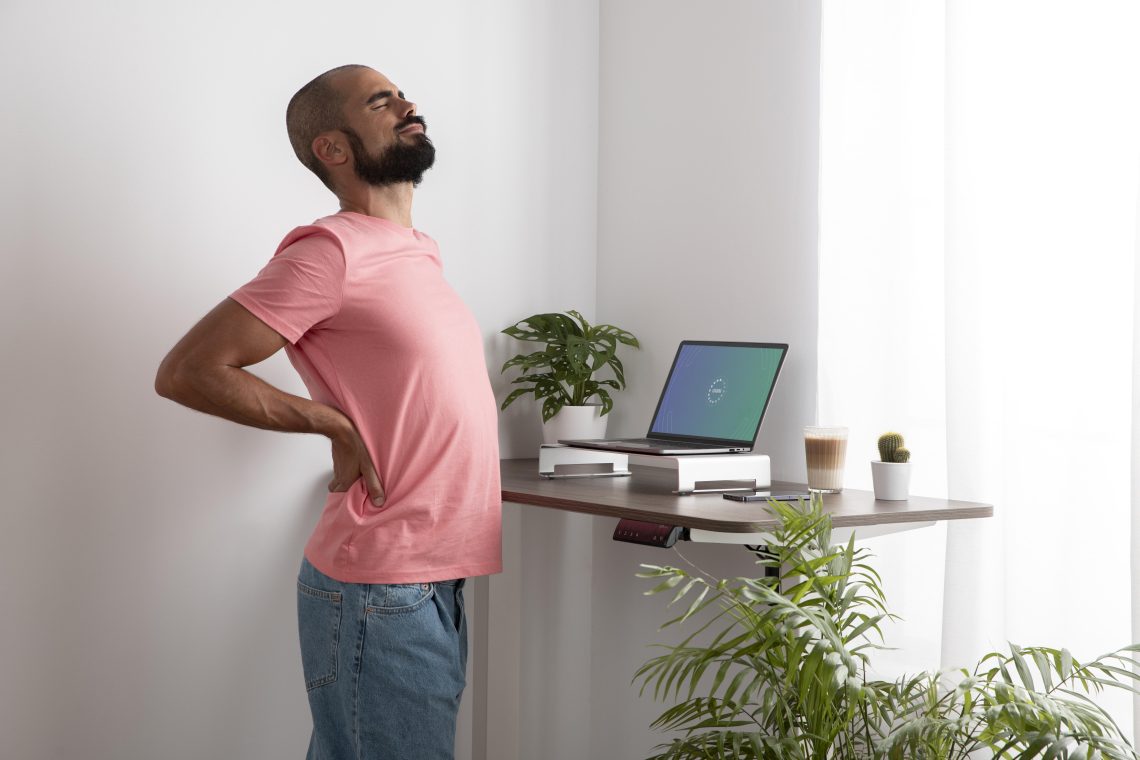
Back pain is one of the most common health problems worldwide. Whether it’s caused by long hours of sitting, poor posture, muscle strain, or an underlying spinal issue, back pain can interfere with your daily routine and productivity. The good news is that many cases of back pain can be managed effectively at home with simple, natural remedies.
If you’re wondering how to relieve back pain fast at home, this detailed guide will walk you through safe, practical, and proven methods to reduce discomfort quickly.
1. Apply Heat or Cold Therapy Immediately
One of the fastest ways to ease back pain is temperature therapy.
🔹 Cold Therapy (First 24–48 Hours)
If your back pain is due to a recent strain or inflammation, apply an ice pack wrapped in a towel to the painful area for 15–20 minutes. Cold therapy reduces inflammation and numbs sharp pain.
🔹 Heat Therapy (After Initial Inflammation)
If your pain is due to stiffness or muscle tension, use a heating pad or warm towel. Heat increases blood flow, relaxes tight muscles, and promotes healing.
Alternating between hot and cold therapy can also provide faster relief.
2. Improve Your Posture Immediately
Poor posture is a major cause of back pain, especially for people who sit for long hours.
Check these posture corrections:
- Keep your shoulders relaxed and back.
- Sit with your spine straight.
- Keep your screen at eye level.
- Avoid slouching.
If posture-related strain is causing your pain, you may also find relief by exploring can a chiropractor fix my posture, which explains how spinal alignment plays a crucial role in pain relief.
Correcting posture can reduce back pain within minutes.
3. Try Gentle Stretches
Stretching helps release tight muscles and improve flexibility. Some simple stretches include:
- Knee-to-chest stretch
- Cat-cow stretch
- Child’s pose
- Pelvic tilt
These stretches improve blood circulation and reduce stiffness.
If your back pain radiates down your leg, it may be related to nerve irritation. In that case, you should also read how to relieve sciatica pain at home to understand nerve-based pain relief techniques.
4. Stay Lightly Active (Avoid Bed Rest)
Contrary to popular belief, complete bed rest can worsen back pain. Gentle movement helps maintain flexibility and prevents stiffness.
Try:
- Short walks
- Light yoga
- Gentle stretching every 1–2 hours
Movement keeps your muscles engaged and speeds up recovery.
5. Massage and Trigger Point Release
Back pain often results from tight trigger points in muscles around the spine, shoulders, and lower back.
You can:
- Use your hands to massage tight areas.
- Use a tennis ball against a wall.
- Apply foam rolling techniques.
For deeper understanding, check how to release trigger points in muscles, which explains how muscle knots contribute to chronic pain.
Releasing trigger points can provide noticeable relief quickly.
6. Practice Deep Breathing to Reduce Muscle Tension
Stress causes muscles to tighten, especially in the upper back and shoulders.
Try this:
- Inhale deeply for 4 seconds.
- Hold for 2 seconds.
- Exhale slowly for 6 seconds.
- Repeat for 2–3 minutes.
If stress frequently triggers your back discomfort, you may also benefit from reading can stress cause neck pain, as stress-related tension often affects both neck and back.
Relaxation techniques reduce cortisol levels and muscle stiffness.
7. Adjust Your Sleeping Position
Back pain can worsen overnight due to poor sleeping posture.
- If you sleep on your back → Place a pillow under your knees.
- If you sleep on your side → Place a pillow between your knees.
- Avoid sleeping on your stomach.
If nighttime discomfort is your main issue, you can also read how to sleep with lower back pain for posture-specific sleeping adjustments.
Better sleep positioning can reduce morning stiffness significantly.
8. Use Over-the-Counter Pain Relief (If Necessary)
If home remedies are not enough, short-term use of anti-inflammatory medication like ibuprofen may help reduce inflammation and pain.
However, medication should not replace posture correction, stretching, and lifestyle changes.
9. Maintain a Healthy Weight
Excess body weight puts additional pressure on the spine, especially the lower back. Even losing a few kilograms can reduce strain and improve mobility.
10. When to See a Doctor
While most back pain improves within a few days, seek medical attention if you experience:
- Pain lasting more than two weeks
- Numbness or weakness in legs
- Loss of bladder or bowel control
- Severe pain after injury
These could indicate disc problems or nerve compression.
Preventing Future Back Pain
To prevent recurrence:
- Exercise regularly
- Strengthen your core muscles
- Maintain proper posture
- Stay hydrated
- Manage stress
- Stretch daily
If your back pain is persistent and not improving, professional treatment like physiotherapy or osteopathy may help.
Final Thoughts
If you’re looking for how to relieve back pain fast at home, the key is to combine immediate relief techniques (heat/cold therapy, stretching, massage) with posture correction and movement. Most mild to moderate back pain responds well to these simple home strategies.
Act early, address the root cause, and avoid prolonged inactivity. Your spine will thank you.