
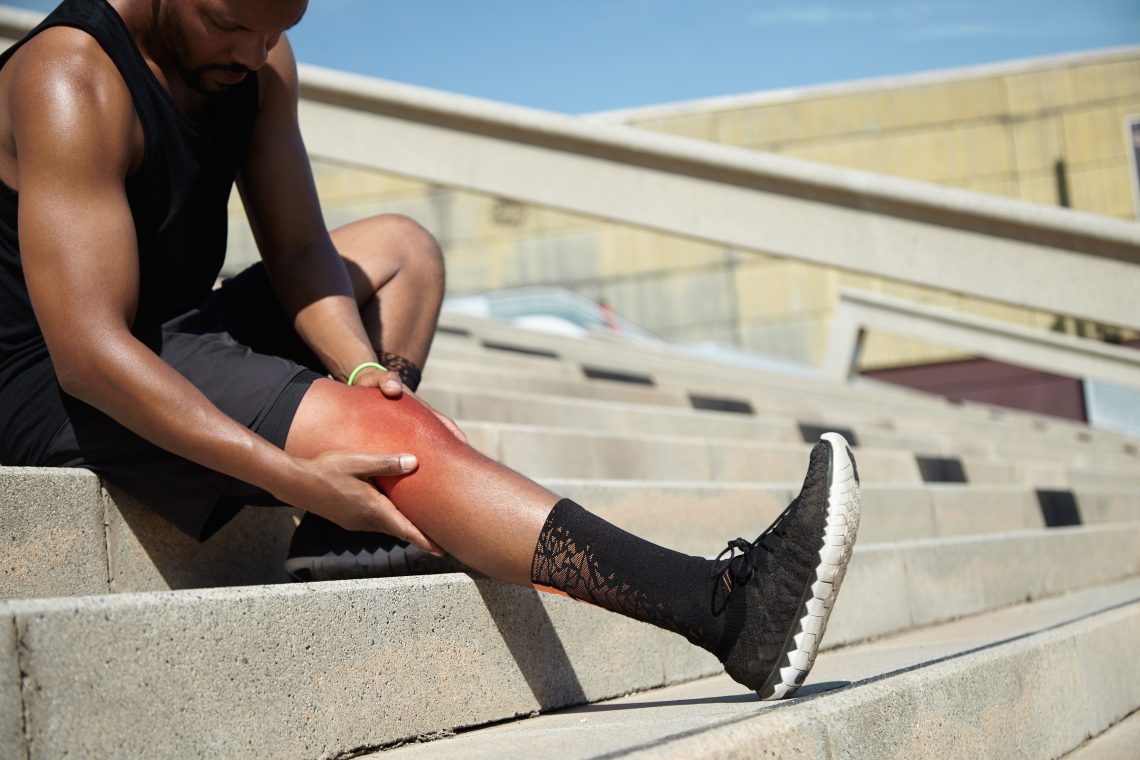
An ACL injury is one of the most common and serious knee injuries, especially among athletes and active individuals. The Anterior Cruciate Ligament (ACL) is a key ligament that helps stabilize your knee joint. When it gets stretched or torn, it can cause significant pain, instability, and difficulty walking.
Understanding ACL injury symptoms early can help you seek timely treatment and prevent further knee damage. In this article, we’ll break down the common signs, how the injury happens, and when you should see a doctor.
What Is an ACL Injury?
The ACL is one of four major ligaments in the knee. It connects the thigh bone (femur) to the shin bone (tibia) and prevents the knee from sliding forward or rotating excessively.
ACL injuries often occur during:
- Sudden stops or changes in direction
- Jumping and landing incorrectly
- Pivoting movements
- Direct blows to the knee (common in football or basketball)
If you’re involved in sports, it’s important to also read how to prevent ACL injury to reduce your risk.
Common ACL Injury Symptoms
Recognizing ACL injury symptoms early can make a big difference in recovery time and treatment outcomes.
1. A Loud “Pop” Sound
Many people report hearing or feeling a “pop” at the time of injury. This is one of the most classic ACL injury symptoms.
The popping sound is often followed by immediate pain and difficulty continuing activity. Athletes frequently stop playing right away because the knee feels unstable.
2. Sudden and Severe Knee Pain
ACL injuries usually cause immediate pain. The pain may:
- Be sharp and intense at first
- Worsen with movement
- Make weight-bearing difficult
In some cases, the pain may decrease after a few hours, but instability remains. If you’re unsure whether your symptoms indicate a tear, you can also check our detailed guide on why can’t I bend my knee after ACL injury to understand stiffness-related complications.
3. Rapid Swelling
Swelling often develops within the first few hours after injury. This happens because of internal bleeding inside the knee joint.
Signs of swelling include:
- Puffiness around the knee
- Tight feeling in the joint
- Difficulty bending or straightening the knee
If swelling becomes severe, immediate medical evaluation is recommended.
4. Knee Instability or “Giving Way”
One of the most concerning ACL injury symptoms is instability.
You may feel:
- Like your knee might buckle
- Difficulty balancing
- Weakness when walking
This happens because the ACL plays a crucial role in stabilizing forward and rotational movements.
5. Limited Range of Motion
After an ACL injury, many people struggle to:
- Fully straighten the knee
- Bend it completely
- Sit cross-legged
This stiffness can worsen if not managed properly. If your knee feels locked or stuck, medical evaluation is essential.
Types of ACL Tears
ACL injuries are usually classified into three grades:
Grade 1 – Mild Sprain
The ligament is stretched but not torn. Mild pain and swelling are common.
Grade 2 – Partial Tear
The ligament is partially torn. Instability may begin.
Grade 3 – Complete Tear
The ligament is fully torn. Knee instability is severe, and surgery is often required.
If you’re wondering about healing possibilities without surgery, you may also read can ACL injury heal without surgery for more clarity.
When to See a Doctor
Seek medical attention if:
- You heard a pop during injury
- Swelling develops quickly
- Your knee feels unstable
- You cannot bear weight
Early diagnosis using MRI or clinical tests ensures proper treatment planning.
Treatment Options for ACL Injuries
Treatment depends on the severity of the tear, your activity level, and overall health.
Non-Surgical Treatment
- Rest, Ice, Compression, Elevation (RICE)
- Knee braces
- Physical therapy
- Strengthening exercises
Non-surgical management may be suitable for partial tears or less active individuals.
Surgical Treatment
ACL reconstruction surgery is recommended for:
- Athletes
- Complete tears
- Severe instability
If you’re concerned about long-term recovery, you may want to check ACL injury recovery time to understand the rehabilitation process.
Can ACL Injuries Be Prevented?
Yes, many ACL injuries can be prevented with proper training and conditioning.
Prevention strategies include:
- Strengthening quadriceps and hamstrings
- Improving balance and coordination
- Learning proper landing techniques
- Wearing supportive footwear
You can also explore are ACL injuries preventable to understand structured prevention programs in detail.
Long-Term Complications If Ignored
Ignoring ACL injury symptoms can lead to:
- Chronic knee instability
- Meniscus tears
- Early knee arthritis
- Reduced athletic performance
Early diagnosis and proper rehabilitation significantly reduce long-term complications.
Final Thoughts
ACL injury symptoms should never be ignored. A popping sound, swelling, instability, and limited movement are strong warning signs that your knee ligament may be damaged. Whether mild or severe, early treatment is key to preventing complications and ensuring full recovery.
If you suspect an ACL injury, consult a healthcare professional for proper diagnosis and personalized treatment. With the right approach, most individuals can return to their normal activities safely and confidently.