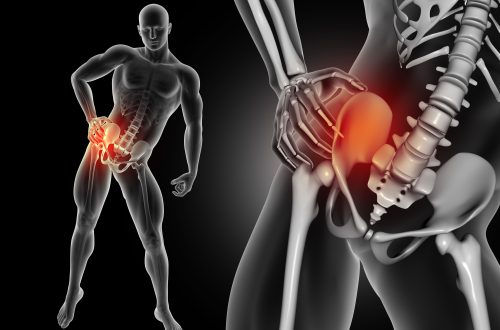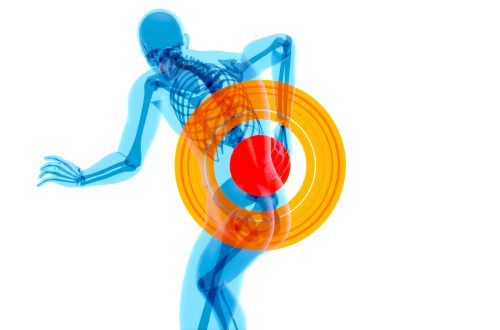
Sciatica pain in the leg is a common condition that affects millions of people worldwide. It usually begins in the lower back or buttock and travels down the back of the thigh, calf, and sometimes all the way to the foot. The pain can range from a mild ache to a sharp, burning sensation that makes walking, sitting, or standing difficult.
Although many people refer to it as a disease, sciatica is actually a symptom of an underlying problem affecting the sciatic nerve. Understanding the causes, symptoms, and treatment options can help you manage the condition effectively and prevent future flare-ups.
What Is Sciatica Pain in Leg?
Sciatica pain in the leg occurs when the sciatic nerve, the largest nerve in the body, becomes irritated or compressed. This nerve starts in the lower spine, passes through the hips and buttocks, and extends down each leg.
When pressure is placed on the nerve, pain follows the nerve’s pathway, usually affecting only one side of the body. Depending on the severity of the compression, the pain may be occasional or constant.
Many people confuse normal leg pain with sciatica. However, sciatica is unique because the pain originates from the lower back and radiates downward rather than starting in the leg itself.
What Causes Sciatica Pain in the Leg?
Several medical conditions can compress or irritate the sciatic nerve.
Herniated Disc
A slipped or herniated disc is the most common cause of sciatica. The damaged disc presses against the sciatic nerve, causing pain, numbness, and tingling.
Spinal Stenosis
Spinal stenosis occurs when the spinal canal narrows, placing pressure on the nerves that travel through the spine.
Piriformis Syndrome
The piriformis muscle is located deep in the buttock. If it becomes tight or inflamed, it can compress the sciatic nerve and cause pain.
Degenerative Disc Disease
As we age, the discs between the spinal bones lose flexibility and cushioning, increasing the risk of nerve compression.
Injury or Trauma
Falls, sports injuries, or accidents can damage the spine or surrounding muscles, leading to sciatica.
If you’re unsure about the underlying cause, you can also read our guide on how to fix sciatica pain, which explains different causes and treatment approaches in greater detail.
Symptoms of Sciatica Pain in the Leg
Symptoms vary from person to person, but the most common signs include:
- Sharp or shooting pain running from the lower back into the leg
- Burning sensation in the buttock or thigh
- Tingling or “pins and needles”
- Numbness in the calf or foot
- Muscle weakness in the affected leg
- Pain that becomes worse after sitting for a long time
Some people experience only mild discomfort, while others find it difficult to walk or stand.
In certain cases, sciatica can spread to the feet. Learn more in our article on can sciatica cause foot pain, where we explain why this happens and when you should seek medical attention.
Who Is More Likely to Develop Sciatica?
Several factors increase the risk of developing sciatica, including:
- Age between 30 and 60 years
- Sedentary lifestyle
- Obesity
- Poor posture
- Diabetes
- Jobs involving prolonged sitting or heavy lifting
- Weak core muscles
Regular physical activity and maintaining good posture can significantly reduce your risk.
How Is Sciatica Diagnosed?
A healthcare professional usually diagnoses sciatica through:
Physical Examination
The doctor checks muscle strength, reflexes, and flexibility.
Straight Leg Raise Test
Pain during this test often indicates sciatic nerve irritation.
Imaging Tests
If symptoms are severe or persistent, your doctor may recommend:
- X-rays
- MRI scan
- CT scan
These tests help identify herniated discs, spinal stenosis, or other structural problems.
How to Treat Sciatica Pain in the Leg
The good news is that most people recover without surgery.
1. Stay Active
Although resting for a day or two may help initially, prolonged bed rest can actually make sciatica worse.
Gentle activities such as walking help improve circulation and reduce nerve irritation.
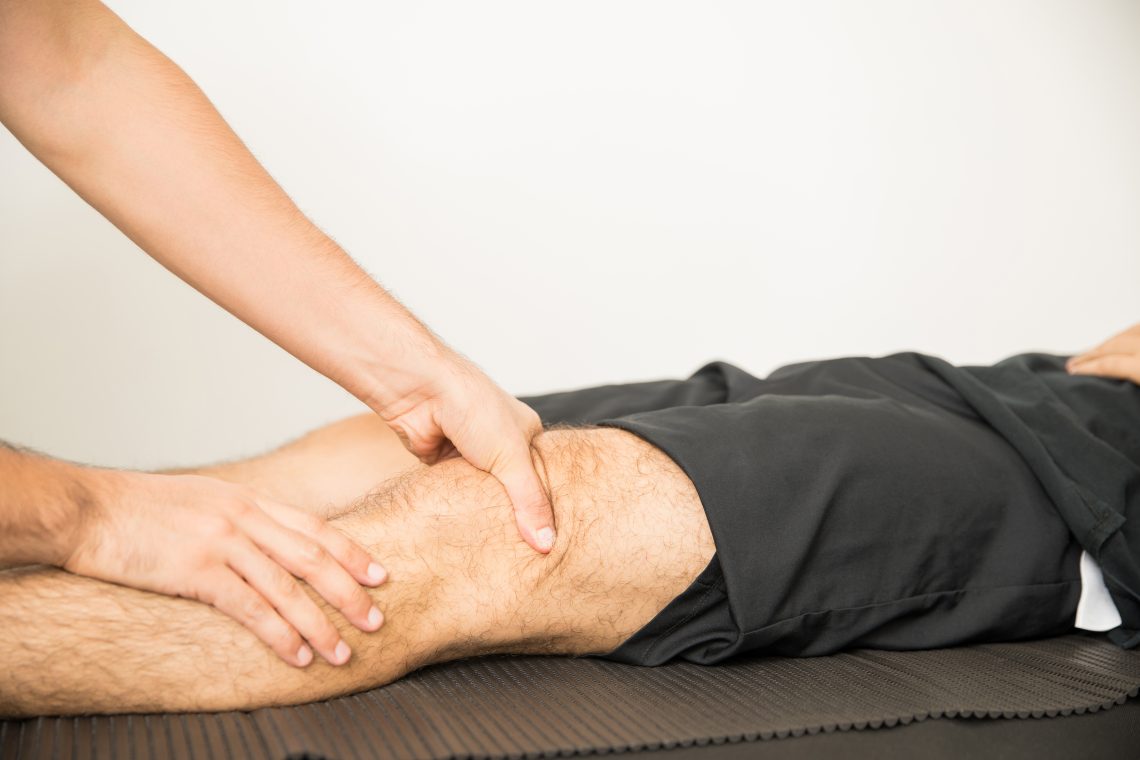
2. Physical Therapy
A physiotherapist can recommend exercises that strengthen your lower back and core muscles while improving flexibility.
Stretching exercises targeting the hamstrings, lower back, and piriformis muscle are particularly beneficial.
3. Heat and Cold Therapy
Cold packs reduce inflammation during the first 48 hours.
Warm compresses later help relax muscles and improve blood flow.
4. Pain Medication
Doctors may recommend:
- Anti-inflammatory medicines
- Muscle relaxants
- Pain relievers
Always use medication under medical supervision.
5. Chiropractic Care
Spinal adjustments performed by trained professionals may help relieve pressure on the sciatic nerve in suitable cases.
If you’re considering this option, our detailed guide on can a chiropractor treat sciatica explains how chiropractic care works and who may benefit from it.
6. Lifestyle Changes
Simple lifestyle modifications can prevent repeated episodes.
These include:
- Maintaining a healthy weight
- Improving posture
- Avoiding prolonged sitting
- Using ergonomic furniture
- Exercising regularly
If you’re looking for more home-based remedies, don’t miss our article on how to get relief from sciatica leg pain, which covers stretches, exercises, and natural pain management techniques.
Can Sciatica Go Away on Its Own?
Yes. Mild sciatica often improves within 4 to 6 weeks with conservative treatment.
However, if symptoms continue beyond six weeks or become worse, medical evaluation is recommended.
When Should You See a Doctor?
Seek immediate medical attention if you experience:
- Severe pain that doesn’t improve
- Significant weakness in the leg
- Loss of bladder or bowel control
- Numbness around the groin area
- Pain after a serious accident
These symptoms could indicate a medical emergency requiring immediate treatment.
Tips to Prevent Sciatica Pain in the Leg
You can reduce your chances of developing sciatica by following these healthy habits:
- Exercise regularly to strengthen your core muscles.
- Stretch your hamstrings and lower back daily.
- Maintain proper posture while sitting and standing.
- Lift heavy objects correctly using your legs instead of your back.
- Avoid sitting continuously for long periods.
- Sleep on a supportive mattress.
- Maintain a healthy body weight.
Small daily habits can make a significant difference in protecting your spine and preventing nerve compression.
Conclusion
Sciatica pain in the leg is a common condition caused by irritation or compression of the sciatic nerve. It often starts in the lower back and radiates through the buttock into the leg, causing pain, numbness, tingling, or weakness.
Most cases respond well to conservative treatments such as physical therapy, stretching, posture correction, and lifestyle changes. Early diagnosis and proper care can help you recover faster and reduce the risk of future episodes.
If your symptoms persist or worsen despite home treatment, consult a qualified healthcare professional to identify the underlying cause and receive the most appropriate treatment.