Scoliosis is a condition that causes the spine to curve sideways, often forming an “S” or “C” shape. It can affect people of all ages, but it is most commonly diagnosed during adolescence. Depending on the severity of the spinal curve, scoliosis may cause back pain, uneven shoulders, poor posture, muscle imbalance, and reduced mobility.
Many people look for non-surgical ways to manage scoliosis symptoms, and one common question is: Can scoliosis be treated with chiropractic care? The answer depends on the type and severity of scoliosis. While chiropractic care cannot permanently straighten or cure structural scoliosis, it may help reduce pain, improve mobility, and enhance overall spinal function.
In this article, we’ll discuss how chiropractic care works for scoliosis, its benefits, limitations, and when it’s the right treatment option.
What Is Scoliosis?
Scoliosis is an abnormal sideways curvature of the spine that usually develops during periods of rapid growth. In some cases, the exact cause is unknown (idiopathic scoliosis), while in others, it may result from birth defects, neuromuscular disorders, or degenerative changes in older adults.
Common symptoms include:
- Uneven shoulders or hips
- One shoulder blade sticking out more than the other
- Back pain
- Muscle stiffness
- Difficulty standing straight
- Fatigue after prolonged standing
Some people have mild scoliosis with little discomfort, while others may experience significant pain and limited movement.
What Is Chiropractic Care?
Chiropractic care is a non-invasive healthcare approach that focuses on diagnosing and treating disorders of the spine, joints, and muscles. Chiropractors use hands-on spinal adjustments, joint mobilization, soft tissue therapy, and rehabilitation exercises to improve spinal alignment and reduce pain.
If you’re new to this treatment approach, read our guide on What Is a Chiropractor to understand how chiropractic care works and the conditions it can help manage.
Unlike surgery or medication, chiropractic treatment aims to improve the body’s natural movement and support overall musculoskeletal health.
Can Chiropractic Care Cure Scoliosis?
One of the biggest misconceptions is that chiropractic care can completely cure scoliosis.
The reality is:
No, chiropractic care cannot permanently correct structural scoliosis or completely straighten the spine.
However, chiropractic treatment can effectively manage many symptoms associated with scoliosis, including:
- Back pain
- Muscle tightness
- Joint stiffness
- Reduced flexibility
- Poor posture
For people with mild to moderate scoliosis, chiropractic care may improve quality of life by helping the spine move more efficiently and reducing discomfort.
How Chiropractic Care Helps People with Scoliosis
1. Reduces Back Pain
One of the most common complaints among scoliosis patients is chronic back pain.
Because the spine curves abnormally, certain muscles work harder than others, leading to muscle fatigue and tension.
Chiropractic adjustments may help reduce pressure on surrounding joints and muscles, making everyday movements more comfortable.
If you frequently experience spinal discomfort, our article on Does Osteopathy Work for Back Pain also explains another conservative treatment option for managing back pain.
2. Improves Spinal Mobility
Scoliosis often limits spinal movement.
Gentle chiropractic adjustments can improve joint mobility and flexibility, allowing patients to bend, twist, and move with greater ease.
Although the spinal curve remains, better mobility often means less stiffness and improved daily function.
3. Corrects Postural Imbalances
People with scoliosis commonly develop:
- Uneven shoulders
- Tilted pelvis
- Rounded posture
- Muscle imbalance
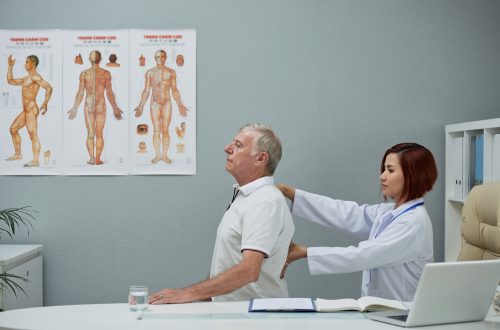
Chiropractors evaluate posture and recommend corrective exercises that strengthen weak muscles while stretching tight ones.
If you’re struggling with posture, you may also find our article on Can a Chiropractor Fix My Posture helpful for understanding how posture correction works.
4. Relieves Muscle Tension
The muscles surrounding a curved spine constantly compensate for uneven alignment.
This often causes:
- Muscle spasms
- Tightness
- Trigger points
- Neck stiffness
Soft tissue therapy, massage, and stretching performed during chiropractic treatment help relax these muscles and improve blood circulation.
5. Supports Daily Activities
Pain from scoliosis can make simple activities like walking, lifting, or sitting uncomfortable.
By reducing stiffness and improving spinal mechanics, chiropractic care may help patients perform daily activities with less discomfort.
Chiropractic Techniques Used for Scoliosis
A chiropractor may combine several treatment methods, including:
Spinal Adjustments
Gentle spinal manipulation helps improve joint movement without attempting to force the spine into a straight position.
Soft Tissue Therapy
Massage and muscle release techniques reduce tightness surrounding the spinal curve.
Stretching Exercises
Stretching improves flexibility and decreases muscle imbalance.
Strengthening Exercises
Core-strengthening exercises improve spinal stability and help support the curved spine.
Posture Training
Patients learn proper sitting, standing, lifting, and sleeping positions to reduce stress on the spine.
Who Can Benefit from Chiropractic Care?
Chiropractic care may be beneficial for:
- Adults with mild scoliosis
- Degenerative scoliosis
- People experiencing scoliosis-related back pain
- Individuals with reduced flexibility
- Patients looking for non-surgical pain management
It is usually used alongside physiotherapy and exercise rather than as a standalone treatment.
When Chiropractic Care May Not Be Enough
Although chiropractic treatment offers many benefits, it isn’t suitable as the only treatment for every case.
People with:
- Severe spinal curvature
- Rapidly progressing scoliosis
- Neurological symptoms
- Difficulty breathing due to scoliosis
may require additional treatment such as bracing or surgery.
A complete medical evaluation is always recommended before beginning chiropractic treatment.
Other Treatments That Complement Chiropractic Care
The best scoliosis management often involves a combination of therapies.
These include:
Physiotherapy
Physiotherapy strengthens muscles that support the spine while improving flexibility and posture.
Exercise
Low-impact activities such as swimming, walking, Pilates, and yoga help maintain spinal health.
If you’re considering chiropractic treatment, it’s also worth reading Is Chiropractic Effective, where we discuss how chiropractic care works for different musculoskeletal conditions.
Pain Management
Doctors may recommend medications for temporary pain relief when symptoms become severe.
Bracing
Children and adolescents with moderate scoliosis may require braces to prevent further progression.
Surgery
Severe scoliosis may require surgical correction if the spinal curve continues to worsen.
Is Chiropractic Care Safe for Scoliosis?
When performed by a licensed chiropractor, chiropractic care is generally considered safe for people with mild or moderate scoliosis.
However, treatment should always begin with:
- Physical examination
- Medical history
- X-rays (if required)
- Proper diagnosis
This allows the chiropractor to create a personalized treatment plan based on the degree of spinal curvature.
Tips for Managing Scoliosis at Home
Along with chiropractic treatment, you can manage scoliosis by:
- Maintaining good posture
- Exercising regularly
- Strengthening your core muscles
- Stretching daily
- Avoiding prolonged sitting
- Sleeping on a supportive mattress
- Maintaining a healthy body weight
These lifestyle habits reduce stress on the spine and improve overall function.
Final Thoughts
So, can scoliosis be treated with chiropractic care?
The answer is yes but with realistic expectations. Chiropractic care cannot permanently cure or straighten structural scoliosis, but it can be an effective part of a comprehensive treatment plan. Through spinal adjustments, soft tissue therapy, posture correction, and targeted exercises, chiropractic care can help reduce pain, improve mobility, and enhance your quality of life.
For the best outcomes, chiropractic treatment should be combined with physiotherapy, regular exercise, and guidance from qualified healthcare professionals. If you have scoliosis and are considering chiropractic care, consult an experienced chiropractor who can evaluate your condition and recommend the most appropriate treatment plan.