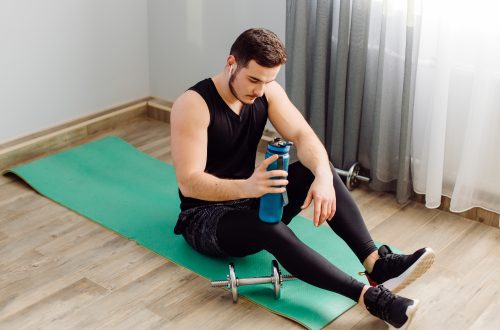

Sports and physical activities are excellent for maintaining fitness, improving mental health, and boosting overall well-being. However, without proper precautions, sports can also lead to injuries ranging from mild muscle strains to serious ligament tears or fractures. The good news is that most sports injuries are preventable with the right approach.
In this article, we’ll discuss how to avoid sports injuries, focusing on warm-ups, training techniques, recovery, and lifestyle habits that keep your body strong and resilient.
1. Warm Up Properly Before Any Activity
Skipping warm-ups is one of the most common reasons athletes get injured. A proper warm-up increases blood flow to muscles, improves flexibility, and prepares your joints for movement.
A good warm-up should include:
- 5–10 minutes of light cardio (jogging, skipping, cycling)
- Dynamic stretches (arm circles, leg swings, lunges)
- Sport-specific movements at low intensity
Warming up reduces the risk of muscle pulls, ligament injuries, and joint stress.
2. Focus on Correct Technique and Form
Poor technique places unnecessary strain on muscles and joints, increasing the risk of injury. This is especially true for weight training, running, and contact sports.
- Learn proper movement patterns from a coach or physiotherapist
- Avoid copying advanced exercises without proper guidance
- Use mirrors or video recordings to check posture and alignment
If posture issues are contributing to recurring injuries, improving alignment can make a big difference. You may find this helpful:
👉 Can a Chiropractor Fix My Posture
3. Build Strength and Flexibility Together
Many athletes focus only on strength and neglect flexibility, which leads to tight muscles and limited joint mobility. A balanced routine should include:
- Strength training for muscles around joints
- Flexibility exercises for full range of motion
- Core strengthening for balance and stability
Strong, flexible muscles protect joints from excessive stress and sudden movements.
4. Don’t Ignore Minor Pain or Discomfort
Pain is your body’s warning system. Ignoring early signs of discomfort often leads to serious injuries.
Common warning signs include:
- Persistent muscle soreness
- Joint stiffness or swelling
- Sharp pain during movement
- Reduced range of motion
If pain continues despite rest, professional assessment is important. For general pain management and injury prevention strategies, you can also read:
👉 How Can I Prevent a Sports Injury
5. Use the Right Equipment and Gear
Wearing the correct gear significantly reduces injury risk. This includes:
- Proper footwear with good support
- Protective equipment like knee pads, braces, or helmets
- Sport-specific gear that fits correctly
For example, knee injuries are common in sports like football and basketball. Understanding preventive strategies can help:
👉 How to Prevent Common Sports Injuries
6. Allow Enough Recovery Time
Overtraining is a major cause of sports injuries. Muscles and ligaments need time to repair and strengthen after physical stress.
To support recovery:
- Take rest days seriously
- Alternate between intense and light training days
- Get enough sleep (7–9 hours)
- Use recovery techniques like stretching and massage
Massage therapy can play an important role in muscle recovery and injury prevention. Learn more here:
👉 What Are the Benefits of Sports Massage
7. Maintain Proper Hydration and Nutrition
Dehydration and poor nutrition weaken muscles and slow reaction time, increasing injury risk.
Key tips:
- Drink water before, during, and after workouts
- Eat protein for muscle repair
- Include carbohydrates for energy
- Ensure adequate vitamins and minerals for bone health
A well-nourished body performs better and recovers faster.
8. Gradually Increase Training Intensity
Sudden increases in training intensity or duration often lead to injuries such as tendonitis, stress fractures, or ligament damage.
Follow the 10% rule:
- Increase training load by no more than 10% per week
This gives your body time to adapt safely.
9. Stretch and Cool Down After Activity
Cooling down helps prevent muscle stiffness and improves recovery.
A proper cool-down includes:
- Slow walking or light cycling
- Static stretching (holding stretches for 20–30 seconds)
- Deep breathing to relax muscles
Stretching after workouts keeps muscles flexible and reduces injury risk.
10. Listen to Your Body and Seek Professional Help
Every athlete is different. What works for one person may not work for another. If you experience recurring injuries, stiffness, or pain, professional guidance is essential.
Physiotherapists, sports medicine specialists, and rehabilitation experts can:
- Identify muscle imbalances
- Correct movement patterns
- Create personalized injury-prevention plans
Early intervention often prevents long-term damage.
Conclusion
Knowing how to avoid sports injuries is essential for anyone who wants to stay active and perform at their best. By warming up properly, using correct techniques, strengthening muscles, allowing recovery time, and listening to your body, you can significantly reduce injury risk.
Sports should enhance your health not limit it. Make prevention a priority, and you’ll enjoy a safer, stronger, and more sustainable athletic journey.