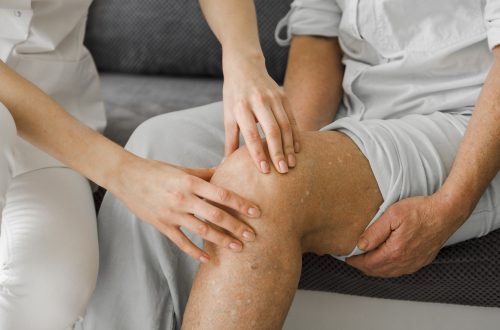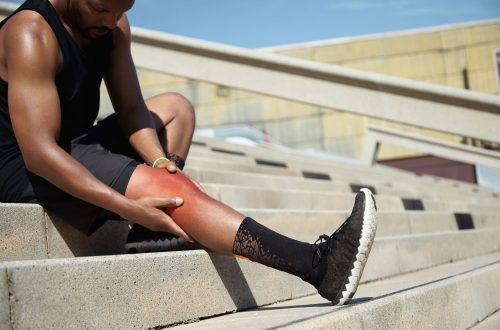
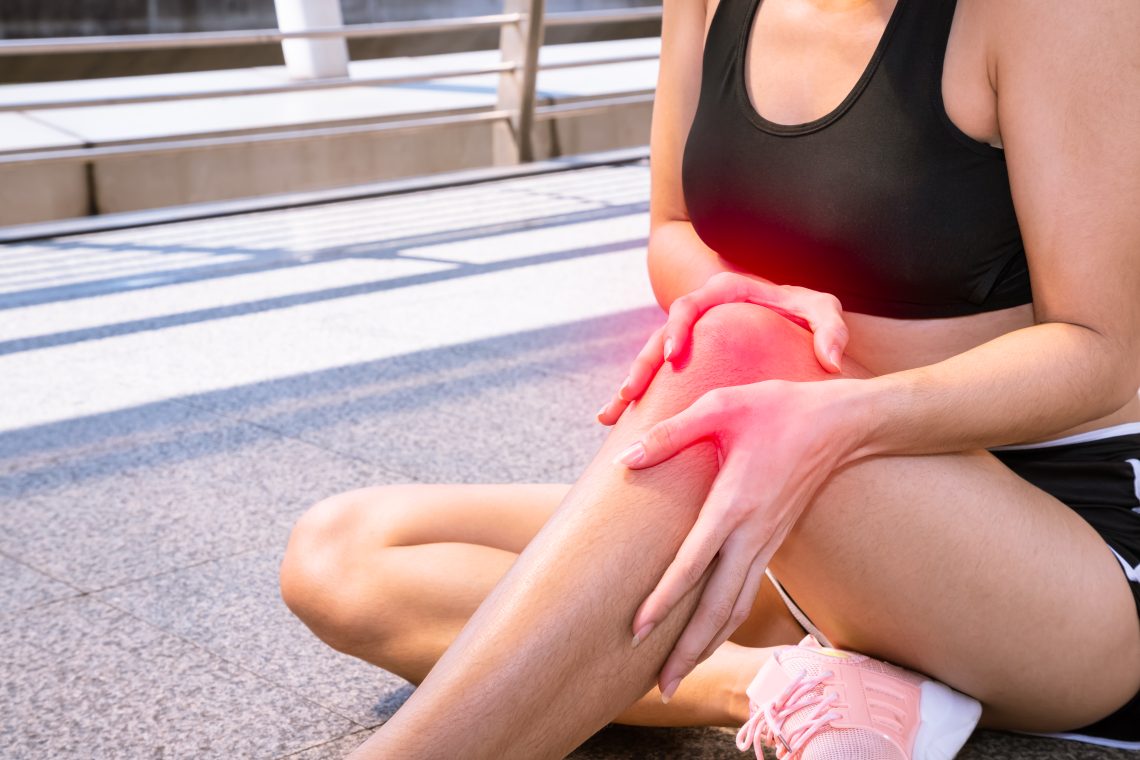
Knee pain is a common problem affecting people of all ages from athletes and fitness enthusiasts to office workers and older adults. It can make everyday activities like walking, climbing stairs, or standing for long periods extremely uncomfortable. Knee pain may develop suddenly due to injury or gradually because of wear and tear, poor posture, or underlying conditions like arthritis.
The good news is that knee pain can often be treated and managed effectively with the right approach. In this article, we’ll explain how to cure knee pain, identify common causes, and share proven treatments you can start today.
Common Causes of Knee Pain
Understanding the root cause is the first step toward curing knee pain. Some of the most common causes include:
- Arthritis (osteoarthritis, rheumatoid arthritis)
- Ligament injuries such as ACL or meniscus tearsOveruse injuries from running, jumping, or repetitive movements
- Poor posture or alignment
- Weak muscles around the knee joint
- Sports injuries
- Obesity, which increases pressure on knee joints
If knee pain is left untreated, it can worsen over time and limit mobility.
1. Rest and Activity Modification
One of the most important steps to cure knee pain is giving your knee adequate rest. Avoid activities that increase pain, such as running, jumping, or deep squatting. However, complete inactivity is not recommended.
Instead:
- Reduce high-impact movements
- Switch to low-impact exercises like walking or swimming
- Take short breaks during long standing or sitting
If your knee pain is related to sports, you may also find value in learning how to prevent common sports injuries to avoid recurring damage.
2. Apply Ice and Heat Therapy
Temperature therapy is a simple yet effective way to relieve knee pain.
- Ice therapy helps reduce swelling and inflammation use it for acute injuries.
- Heat therapy relaxes stiff muscles and improves blood circulation ideal for chronic pain or arthritis.
Apply ice or heat for 15–20 minutes, 2–3 times daily.
3. Strengthening and Stretching Exercises
Weak muscles around the knee can cause instability and pain. Strengthening the quadriceps, hamstrings, and calf muscles helps support the knee joint and reduce stress.
Helpful exercises include:
- Straight leg raises
- Hamstring stretches
- Quadriceps strengthening
- Gentle yoga poses
If knee pain is related to arthritis, exercises combined with lifestyle changes can help significantly. You may find this article useful:
👉 Can Knee Arthritis Be Cured
Regular exercise not only reduces pain but also improves flexibility and joint health.
4. Maintain a Healthy Weight
Excess body weight puts additional pressure on the knees. Even a small amount of weight loss can reduce knee joint stress and pain.
Studies show that for every kilogram of weight lost, knee pressure reduces by nearly four kilograms during movement. Maintaining a balanced diet and staying active can greatly improve knee pain over time.
5. Use Knee Braces or Supports
Knee braces help stabilize the joint and reduce strain during movement. They are especially helpful for:
- Arthritis-related knee pain
- Ligament injuries
- Sports recovery
If you’re unsure about braces, this may help you decide:
👉 Do Knee Braces Work for Arthritis
Always choose the right type of brace and avoid over-dependency, as muscles still need to stay active.
6. Improve Posture and Body Alignment
Poor posture and misalignment of the hips, ankles, or spine can indirectly cause knee pain. Simple posture corrections while sitting, standing, and walking can make a big difference.
For posture related pain and alignment issues, chiropractic or physiotherapy support may help. Learn more here:
👉 Can a Chiropractor Fix My Posture
7. Try Physiotherapy or Manual Therapy
Physiotherapy plays a crucial role in curing knee pain. A physiotherapist can:
- Identify muscle imbalances
- Design personalized exercise programs
- Improve joint mobility
- Reduce pain naturally
Techniques like trigger point release, soft tissue therapy, and joint mobilization are commonly used. Chronic knee pain often responds well to consistent physiotherapy sessions.
8. Address Arthritis-Related Knee Pain
If arthritis is the underlying cause, curing knee pain focuses on symptom management rather than complete reversal. Natural approaches include:
- Anti-inflammatory diet
- Regular low-impact exercise
- Heat therapy
- Weight control
You can explore additional options here:
👉 How to Treat Arthritis Pain Naturally
9. Avoid Activities That Worsen Pain
Certain habits can delay healing:
- Sitting cross-legged for long periods
- Wearing unsupportive footwear
- Ignoring pain and “pushing through”
Listen to your body. Pain is a signal that something needs attention.
10. When to See a Doctor
Seek medical help if:
- Pain persists for more than a few weeks
- There is swelling, locking, or instability
- Pain follows a fall or injury
- You experience difficulty bearing weight
Early diagnosis prevents long-term damage.
Final Thoughts
So, how to cure knee pain? The answer lies in understanding the cause and adopting a combination of rest, exercise, posture correction, weight management, and professional care. While some conditions like arthritis require long-term management, many cases of knee pain can improve significantly with consistent effort and the right treatment plan.
Taking action early can help you stay active, pain-free, and confident in your movement.