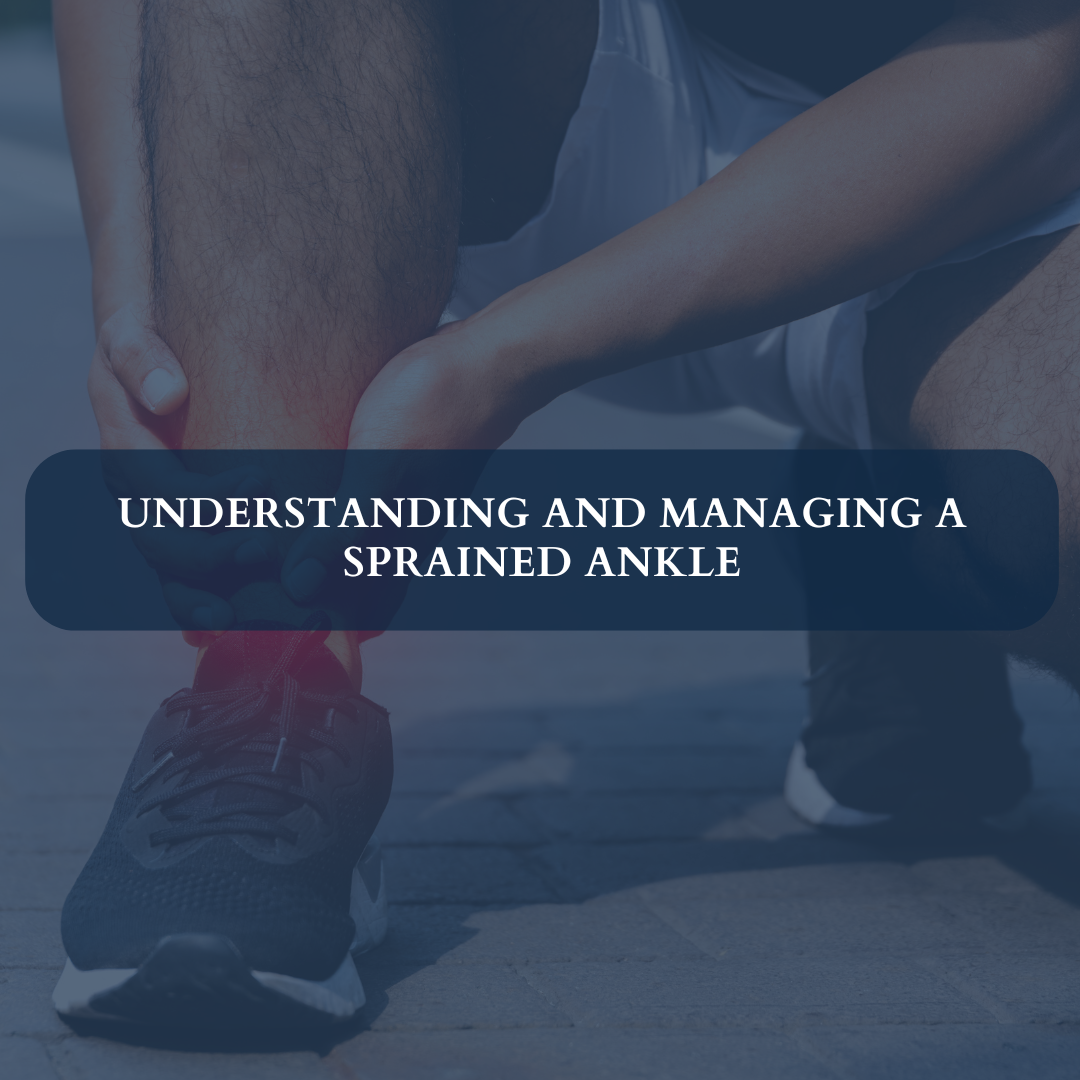

A sprained ankle is one of the most common injuries, whether it happens during sports, exercise, or a simple misstep while walking. The sudden pain, swelling, and difficulty putting weight on your foot can be alarming especially when you need to recover quickly. While complete healing takes time, you can significantly reduce pain, swelling, and stiffness within 48 hours with the right care.
This guide explains how to heal a sprained ankle fast in 2 days using safe, effective, and evidence-based home strategies.
Understanding a Sprained Ankle
A sprained ankle occurs when the ligaments that support the ankle joint stretch or tear due to sudden twisting or rolling. The severity can vary:
- Grade 1: Mild stretching, minimal swelling
- Grade 2: Partial ligament tear, noticeable swelling and bruising
- Grade 3: Complete ligament tear, severe pain and instability
Mild to moderate sprains respond best to early treatment, especially within the first 48 hours.
Day 1: Immediate Care to Reduce Pain and Swelling
1. Follow the R.I.C.E Method Strictly
The R.I.C.E method is the gold standard for treating ankle sprains in the first 24–48 hours:
- Rest: Avoid putting weight on the injured ankle. Use crutches if necessary.
- Ice: Apply ice packs for 15–20 minutes every 2–3 hours to control swelling.
- Compression: Use an elastic bandage to reduce swelling, but don’t wrap too tightly.
- Elevation: Keep your ankle elevated above heart level as much as possible.
This approach limits inflammation and speeds up early healing.
2. Avoid Common Mistakes
To heal a sprained ankle fast, avoid:
- Applying heat in the first 48 hours
- Walking without support
- Massaging the swollen area too early
- Ignoring pain signals
If ankle pain persists or worsens, it may be related to deeper joint issues. You may also find it useful to read how to get rid of ankle pain for broader ankle care strategies.
3. Use a Supportive Ankle Brace
An ankle brace or elastic support helps stabilize the joint and prevents further injury. It also allows gentle movement without stressing the ligaments.
If your ankle injury happened during sports, long-term prevention matters. You may benefit from learning how to prevent common sports injuries to avoid repeat damage.
Day 2: Start Gentle Healing and Mobility
By the second day, swelling should begin to reduce. This is the time to support healing without overloading the joint.
4. Begin Gentle Range-of-Motion Exercises
Light movements help prevent stiffness and improve circulation:
- Ankle circles (slow and controlled)
- Pointing and flexing your toes
- Alphabet exercise (trace letters with your toes)
Do these exercises only if pain allows. Stop if swelling increases.
5. Pain Management Without Overuse of Medication
Over-the-counter anti-inflammatory medicines can help, but don’t rely on them alone. Natural methods such as ice therapy, elevation, and compression are just as important.
Persistent ankle pain may sometimes be linked to muscle tension or trigger points. Learning how to release muscle trigger points can support faster recovery.
6. Improve Blood Circulation
Healthy circulation accelerates tissue repair. You can improve blood flow by:
- Gentle toe movements
- Light ankle pumping exercises
- Avoiding prolonged sitting
If you’re curious about recovery techniques used in physiotherapy, you might find what is neurological physiotherapy helpful for understanding nerve-muscle healing principles.
Additional Tips to Heal a Sprained Ankle Faster
Maintain a Nutrient-Rich Diet
Your body needs nutrients to repair ligaments:
- Protein for tissue repair
- Vitamin C for collagen formation
- Zinc and magnesium for healing
Stay well hydrated to reduce inflammation.
Sleep and Rest Matter
Healing accelerates during rest. Avoid late-night movement and keep your ankle elevated while sleeping.
Avoid Early Return to Activity
Even if pain reduces quickly, returning to full activity too soon increases re-injury risk. Mild sprains still need protection for several days.
When to See a Doctor
Seek medical help if:
- Swelling doesn’t reduce after 48 hours
- Pain increases instead of improving
- You can’t bear weight at all
- There’s numbness or instability
Severe sprains may require physiotherapy or imaging tests to rule out fractures.
Preventing Future Ankle Sprains
Once healed, prevention is key:
- Strengthen ankle muscles
- Wear proper footwear
- Warm up before exercise
- Use ankle support during sports
You may also want to explore how to recover from sports injury for long-term joint protection.
Final Thoughts
While a sprained ankle can’t fully heal in just two days, you can dramatically reduce pain, swelling, and stiffness within 48 hours by acting quickly and correctly. Rest, ice, compression, elevation, gentle movement, and smart recovery choices make a huge difference.
If symptoms persist beyond a few days, professional evaluation ensures proper healing and prevents chronic ankle instability.