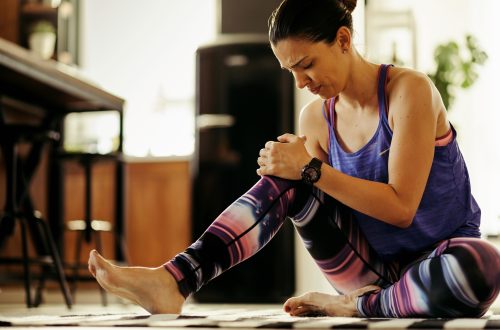

Whether you’re a professional athlete, a fitness enthusiast, or someone who enjoys playing sports on weekends, injuries can happen when you least expect them. Sports injuries not only affect your performance but can also keep you away from the activities you love for weeks or even months. The good news is that many injuries are preventable with the right preparation, training habits, and recovery strategies.
In this guide, you’ll learn how to prevent sports injuries, common causes of sports-related injuries, and practical tips to stay active while reducing your risk of getting hurt.
Why Do Sports Injuries Happen?
Sports injuries occur when excessive stress is placed on muscles, joints, ligaments, tendons, or bones. Some injuries happen suddenly due to falls or collisions, while others develop gradually because of repetitive movements or overtraining.
Common causes include:
- Skipping warm-up exercises
- Poor training techniques
- Muscle weakness
- Inadequate flexibility
- Overtraining
- Wearing improper footwear or equipment
- Ignoring pain and continuing to play
- Lack of recovery between workouts
Understanding these causes is the first step toward preventing injuries.
1. Always Warm Up Before Exercise
One of the easiest ways to prevent sports injuries is by warming up properly.
A warm-up increases blood circulation, raises muscle temperature, and prepares your body for physical activity. It also improves flexibility and reduces the risk of muscle strains.
A proper warm-up should include:
- Light jogging or brisk walking
- Dynamic stretching
- Arm circles
- Leg swings
- Bodyweight squats
Spend at least 10–15 minutes warming up before intense exercise or sports.
2. Never Skip the Cool Down
Many people finish their workout and immediately sit down or leave the gym. This sudden stop can lead to muscle tightness and soreness.
Cooling down helps your heart rate return to normal gradually while improving flexibility.
A good cool-down includes:
- Gentle walking
- Static stretching
- Deep breathing exercises
Taking just 5–10 minutes after every workout can improve recovery and reduce injury risk.
3. Strengthen Your Muscles
Strong muscles provide better support to your joints and absorb impact during physical activities.
Include strength training exercises at least 2–3 times per week focusing on:
- Core muscles
- Legs
- Back
- Shoulders
- Arms
Balanced strength reduces the likelihood of sprains, strains, and ligament injuries.
If you’re interested in learning more about common sports injuries and their prevention, read our guide on how to avoid sports injuries, which explains simple preventive measures for athletes of all fitness levels.
4. Improve Flexibility
Flexible muscles move more efficiently and are less likely to tear.
Regular stretching improves joint mobility and reduces muscle stiffness.
Activities that improve flexibility include:
- Yoga
- Pilates
- Dynamic stretching
- Mobility exercises
If you frequently participate in running or field sports, flexibility training should be part of your weekly routine.
5. Use the Right Technique
Incorrect form is one of the biggest causes of sports injuries.
Whether you’re lifting weights, playing cricket, football, badminton, or tennis, learning proper technique reduces unnecessary stress on your body.
Consider working with:
- A qualified coach
- Physiotherapist
- Certified trainer
Correct technique not only prevents injuries but also improves performance.
6. Wear Proper Sports Equipment
Using appropriate protective gear significantly reduces injury risk.
Examples include:
- Running shoes designed for your foot type
- Helmets for cycling and contact sports
- Knee pads
- Ankle braces
- Wrist guards
- Mouthguards
Replace worn-out shoes regularly since old footwear loses cushioning and support.
7. Don’t Ignore Pain
Pain is your body’s warning signal.
Many athletes continue playing despite discomfort, turning minor problems into serious injuries.
Stop exercising if you notice:
- Persistent joint pain
- Swelling
- Sharp pain
- Instability
- Limited movement
Early treatment often prevents long-term complications.
If you’ve already experienced a sports injury, our article on how to recover from sports injury provides practical recovery tips to help you return safely to your activities.
8. Stay Hydrated
Dehydration affects muscle performance, balance, and concentration, increasing the chances of injury.
Drink water:
- Before exercise
- During activity
- After training
For long-duration workouts, electrolyte drinks may also help replace lost minerals.
9. Allow Enough Recovery Time
Recovery is just as important as training.
Overtraining doesn’t make you stronger it increases the risk of injuries like:
- Muscle strains
- Tendonitis
- Stress fractures
- Ligament injuries
Schedule at least 1–2 rest days every week and get 7–9 hours of quality sleep each night.
10. Increase Training Gradually
One of the biggest mistakes athletes make is increasing workout intensity too quickly.
Follow the 10% rule, which means increasing your training volume or intensity by no more than 10% each week.
Gradual progression allows muscles, tendons, and bones to adapt safely.
11. Pay Special Attention to High-Risk Joints
Certain joints are more vulnerable during sports.
Knee
The knee is commonly affected during jumping, running, and pivoting movements.
Learning how to prevent ACL injury can significantly lower your chances of suffering one of the most serious sports injuries.
Ankle
Strengthening ankle muscles and improving balance helps prevent sprains.
Shoulder
Athletes involved in swimming, tennis, volleyball, and cricket should perform shoulder mobility exercises regularly.
12. Include Sports Massage and Physiotherapy
Regular physiotherapy assessments can identify muscle imbalances before they become injuries.
Sports massage also helps by:
- Improving circulation
- Reducing muscle tightness
- Enhancing flexibility
- Speeding up recovery
Learn more about what are the benefits of sports massage and how it supports injury prevention and athletic performance.
13. Eat a Balanced Diet
Nutrition plays a vital role in preventing injuries.
Include foods rich in:
- Protein for muscle repair
- Calcium for bone strength
- Vitamin D
- Magnesium
- Omega-3 fatty acids
- Fresh fruits and vegetables
A healthy diet improves recovery and supports stronger muscles and joints.
When Should You See a Physiotherapist?
Consult a physiotherapist if you experience:
- Pain lasting more than a few days
- Repeated injuries
- Swelling
- Difficulty moving a joint
- Weakness after sports
Early assessment helps prevent minor injuries from becoming major problems.
Conclusion
Knowing how to prevent sports injuries is essential for maintaining an active and healthy lifestyle. Simple habits like warming up, strengthening muscles, improving flexibility, staying hydrated, wearing proper equipment, and allowing enough recovery time can dramatically reduce your injury risk.
Don’t ignore pain or push through discomfort. Listening to your body and seeking professional guidance when needed can help you stay injury-free and enjoy your favorite sports for years to come.
Whether you’re a beginner or an experienced athlete, injury prevention should always be part of your training routine.