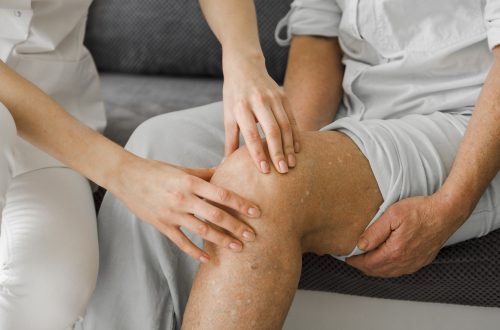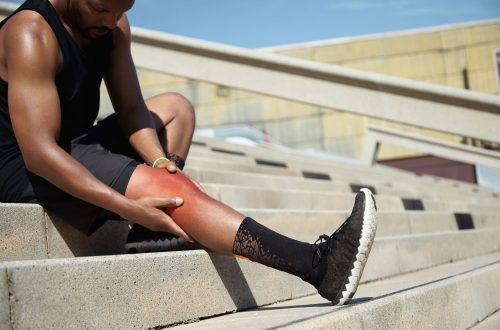
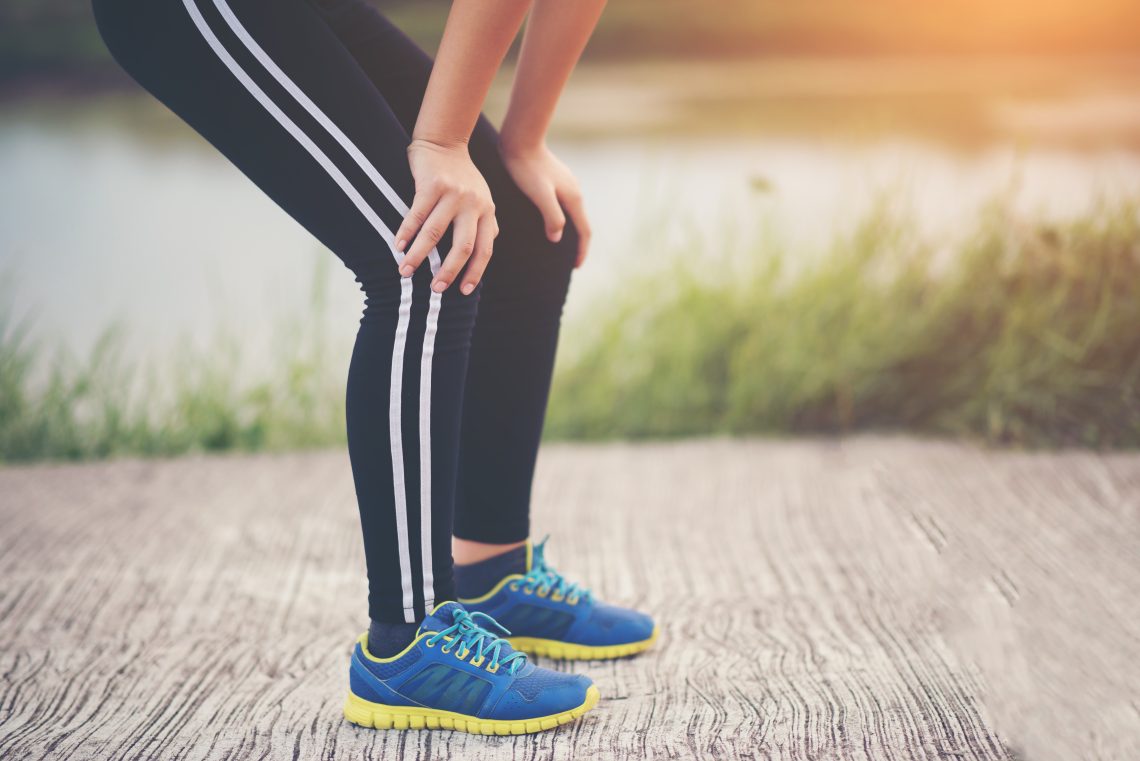
Knee joint pain is a common problem that affects people of all ages. It can occur due to aging, injury, arthritis, overuse, obesity, or poor movement patterns. Since the knee is a weight-bearing joint, even minor issues can cause discomfort while walking, climbing stairs, or standing for long periods.
The good news is that knee joint pain can often be reduced with the right combination of lifestyle changes, exercises, and home-based care. In this article, we’ll explore practical and effective ways to reduce knee joint pain and improve mobility naturally.
Common Causes of Knee Joint Pain
Before focusing on treatment, it’s important to understand what may be causing your knee pain:
- Osteoarthritis or rheumatoid arthritis
- Ligament injuries such as ACL or meniscus tears
- Muscle weakness or imbalance
- Overuse from sports or physical activity
- Obesity or sudden weight gain
- Poor posture or walking mechanics
- Vitamin deficiencies
If arthritis is suspected, you may find it helpful to read can knee arthritis be cured to understand long-term management options.
1. Reduce Inflammation Naturally
Inflammation is a major contributor to knee pain. Reducing it can significantly improve comfort and movement.
What you can do:
- Apply ice packs for 15–20 minutes after activity
- Elevate your leg to reduce swelling
- Follow an anti-inflammatory diet rich in fruits, vegetables, omega-3 fats, and whole grains
Natural remedies and dietary changes are explained in detail in how to treat arthritis pain naturally, which can be very helpful for chronic knee pain sufferers.
2. Strengthen the Muscles Around the Knee
Weak muscles increase stress on the knee joint. Strengthening the muscles around the knee provides better support and stability.
Key muscles to strengthen:
- Quadriceps (front thigh muscles)
- Hamstrings (back of thigh)
- Glutes (hip muscles)
Simple exercises include:
- Straight leg raises
- Wall sits
- Hamstring stretches
- Low-impact cycling
Avoid sudden high-impact exercises if pain is present. If your knee pain is linked to sports activity, you should also read how to avoid sports injuries for prevention strategies.
3. Maintain a Healthy Weight
Excess body weight significantly increases pressure on the knee joints. In fact, every extra kilogram of body weight adds multiple times more stress to the knee during movement.
Benefits of weight management:
- Reduced joint load
- Less inflammation
- Improved mobility
- Slower progression of arthritis
Even modest weight loss can make a noticeable difference in knee pain levels.
4. Use Proper Support and Footwear
Wearing improper footwear can worsen knee alignment and joint stress.
Helpful tips:
- Choose shoes with proper arch support
- Avoid worn-out footwear
- Consider knee braces for added stability during activity
If knee pain worsens during physical activity, you may want to explore do knee braces work for arthritis to understand when braces are beneficial.
5. Improve Joint Mobility with Gentle Movement
Avoiding movement completely can make knee pain worse by increasing stiffness. Gentle, controlled motion helps lubricate the joint and reduce pain.
Recommended activities:
- Walking on flat surfaces
- Swimming
- Cycling
- Yoga or stretching
If walking causes discomfort, check is walking good for sciatica pain, as nerve-related issues can sometimes mimic knee pain.
6. Correct Posture and Movement Patterns
Poor posture, improper squatting, or incorrect walking mechanics can place unnecessary strain on the knee joint.
Focus on:
- Keeping knees aligned with toes
- Avoiding deep squats if painful
- Not locking knees while standing
- Maintaining upright posture
Biomechanical correction can play a major role in long-term knee pain relief.
7. Manage Vitamin and Nutrient Deficiencies
Deficiencies especially Vitamin D and calcium can contribute to joint pain and weakness.
You may want to read can vitamin d deficiency cause knee pain to understand how nutrition impacts knee joint health.
8. Use Heat and Cold Therapy Strategically
- Cold therapy: Best for swelling and acute pain
- Heat therapy: Useful for stiffness and muscle tightness
Alternate between heat and cold depending on symptoms.
9. Know When to Rest and When to Move
Rest is important during pain flare-ups, but prolonged inactivity can weaken muscles and worsen stiffness.
Balance is key:
- Rest during acute pain
- Resume gentle movement as pain reduces
- Avoid overloading the joint
If pain follows an injury, reading why can’t I bend my knee after ACL injury may help determine if professional care is required.
10. When to Seek Professional Help
You should consult a healthcare professional if:
- Knee pain persists beyond a few weeks
- Pain is worsening despite home care
- There is swelling, locking, or instability
- Pain follows trauma or sports injury
Early intervention helps prevent long-term joint damage.
Final Thoughts
Learning how to reduce knee joint pain involves addressing the root cause rather than just masking symptoms. With proper exercise, weight management, posture correction, and inflammation control, many people experience significant improvement without surgery.
Consistency is key. Small daily changes can protect your knees, restore mobility, and help you stay active and pain-free for years to come.