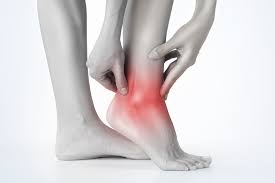

Ankle pain is a common problem that can affect people of all ages. Whether caused by an injury, overuse, arthritis, or poor footwear, ankle pain can limit mobility and make daily activities uncomfortable. The good news is that most ankle pain can be relieved with the right combination of home remedies, exercises, and lifestyle changes.
In this article, we’ll explore how to relieve ankle pain naturally, when to seek medical help, and how to prevent it from coming back.
Common Causes of Ankle Pain
Understanding the cause of ankle pain helps in choosing the right treatment. Some of the most common reasons include:
- Sprains and ligament injuries
- Overuse or repetitive strain
- Arthritis (osteoarthritis or rheumatoid arthritis)
- Sports injuries
- Poor footwear or lack of ankle support
- Sudden increase in physical activity
If your ankle pain started after a twist, fall, or sports activity, it may be due to a sprain. You can also explore more on injury-related pain in
👉 How to Recover from Sports Injury
1. Rest and Activity Modification
The first step in relieving ankle pain is giving your ankle adequate rest. Continuing high-impact activities can worsen inflammation and delay healing.
- Avoid running, jumping, or heavy lifting
- Switch to low-impact activities like swimming or cycling
- Elevate your ankle when resting
Rest doesn’t mean complete inactivity gentle movement is still important to prevent stiffness.
2. Use Ice and Heat Therapy
Cold therapy is ideal during the first 24–48 hours of ankle pain or injury:
- Apply an ice pack for 15–20 minutes
- Repeat 2–3 times daily
Heat therapy is better for chronic ankle pain or stiffness:
- Improves blood circulation
- Relaxes tight muscles
Alternate between ice and heat depending on whether inflammation or stiffness is dominant.
3. Compression and Elevation
Using an elastic bandage or ankle brace provides support and reduces swelling. Elevating your ankle above heart level helps drain excess fluid and reduces pain.
If you’re wondering whether support devices help, you may also find this useful:
👉 Do Knee Braces Work for Arthritis
4. Gentle Ankle Exercises and Stretching
Once pain and swelling start reducing, gentle exercises help restore strength and mobility.
Effective ankle exercises include:
- Ankle circles
- Toe raises
- Heel walks
- Resistance band stretches
Stretching improves flexibility and reduces stiffness, especially if ankle pain is due to overuse.
For sudden or overnight ankle discomfort, read:
👉 How to Heal a Sprained Ankle Overnight
5. Manage Arthritis-Related Ankle Pain
Arthritis is a common cause of chronic ankle pain, especially in older adults. Symptoms include stiffness, swelling, and pain during movement.
Natural ways to manage arthritis-related ankle pain include:
- Low-impact exercise
- Anti-inflammatory diet
- Weight management
- Joint-friendly footwear
You can explore arthritis pain relief in detail here:
👉 How to Treat Arthritis Pain Naturally
6. Wear Proper Footwear
Improper footwear is a hidden cause of ankle pain. Shoes without arch support or cushioning increase stress on the ankle joint.
Choose footwear that:
- Offers good ankle support
- Has cushioned soles
- Fits well and isn’t worn out
Avoid flat sandals or high heels if you’re dealing with ankle pain.
7. Massage and Manual Therapy
Gentle massage around the ankle improves circulation, reduces muscle tension, and promotes healing. Techniques like trigger point release can also help if pain is related to tight calf or foot muscles.
If muscle tightness is contributing to pain, you may benefit from:
👉 How to Release Muscle Trigger Points
8. Address Overuse and Repetitive Strain
People who walk, stand, or train for long hours often develop ankle pain due to overuse. Gradually increasing activity levels and incorporating rest days is crucial.
If ankle pain keeps returning, it may be a sign of poor movement mechanics or underlying weakness that needs professional assessment.
When to See a Doctor or Physiotherapist
You should seek medical attention if:
- Pain lasts more than 1–2 weeks
- Swelling doesn’t reduce
- You feel instability while walking
- Pain is severe or worsening
Persistent ankle pain may require physiotherapy, imaging tests, or specialized treatment.
Preventing Ankle Pain in the Future
Prevention is just as important as treatment. Follow these tips to avoid recurring ankle pain:
- Warm up before exercise
- Strengthen ankle and calf muscles
- Maintain healthy body weight
- Use ankle supports during sports
- Avoid sudden increases in activity
You can also read:
👉 How to Prevent Common Sports Injuries
Final Thoughts
Ankle pain can be frustrating, but most cases improve with simple home care, proper exercises, and lifestyle changes. By identifying the cause early and following the right treatment approach, you can relieve ankle pain effectively and prevent long-term problems.
If pain persists, don’t ignore it early intervention leads to faster recovery and better mobility.