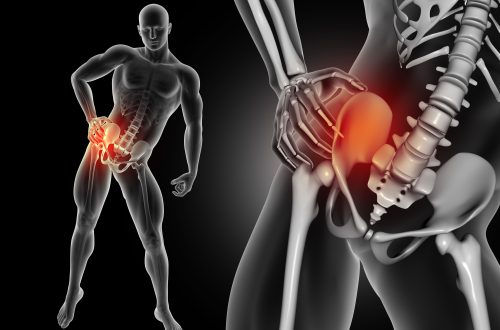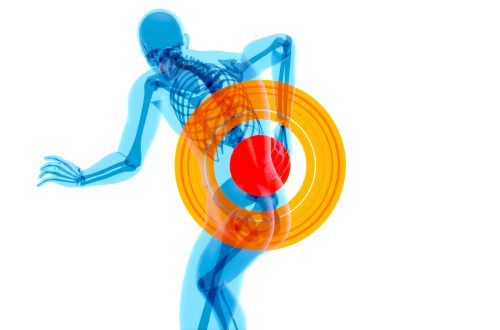

Sciatica pain can feel sharp, burning, or radiating from the lower back down the leg. It occurs when the sciatic nerve your body’s longest nerve gets irritated or compressed. While severe sciatica may require medical guidance, many people can manage and reduce symptoms effectively with simple home remedies.
If you’re searching for how to relieve sciatica pain at home, this comprehensive guide covers proven techniques to ease discomfort, reduce inflammation, and support recovery naturally.
What Causes Sciatica Pain?
Before treating sciatica at home, it helps to understand why it happens. Common causes include:
- Herniated or slipped disc
- Piriformis syndrome
- Spinal stenosis
- Muscle tightness in lower back or hips
- Poor posture
- Sudden injury or lifting incorrectly
Sciatica affects daily movement, sleep, and overall quality of life, so early self-care can make a significant difference.
Home Remedies to Relieve Sciatica Pain
1. Apply Heat or Cold Therapy
Both heat and ice offer relief, depending on your symptoms:
Cold Packs
Reduces inflammation and numbs sharp pain.
Use during the first 24–48 hours.
Warm Packs
After inflammation decreases, heat helps relax tight muscles and increase blood flow, especially in the lower back and buttocks.
Apply for 15–20 minutes at a time, 2–3 times daily.
2. Stretch Your Lower Back and Hips
Gentle stretching is one of the best ways to relieve sciatic nerve compression. Some effective stretches include:
- Piriformis stretch
- Knee-to-chest stretch
- Cat-cow stretch
- Seated spinal twist
These movements loosen tight muscles around the sciatic nerve.
If you want a fast-relief routine, check out:
👉 How to Fix Sciatica Pain
3. Try Gentle Yoga Poses
Yoga improves flexibility, reduces tension, and helps realign the spine. Poses such as:
- Child’s Pose
- Cobra Pose
- Pigeon Pose
- Bridge Pose
help decompress the sciatic nerve and strengthen supportive muscles.
Consistency is key start slowly and avoid poses that increase pain.
4. Improve Your Sitting Posture
Poor posture increases pressure on the lower back and pelvis, aggravating sciatica. To reduce strain:
- Sit upright with both feet flat
- Use a chair with back support
- Avoid slouching or leaning forward
- Take breaks every 30 minutes
Bad posture can also trigger headaches and neck tension. Learn more here:
👉 Can Stress Cause Neck Pain
5. Stay Active – Avoid Bed Rest
Contrary to popular belief, extended rest worsens sciatica because the muscles stiffen and nerve pressure increases.
Instead, try:
- Short walks
- Light stretching
- Simple mobility exercises
Movement increases circulation and accelerates healing.
If leg pain is your biggest issue, read:
👉 How to Get Relief From Sciatica Leg Pain
6. Use an Anti-Inflammatory Diet
Inflammation is a major contributor to nerve pain. Adding anti-inflammatory foods can help reduce flare-ups:
- Turmeric
- Ginger
- Leafy greens
- Berries
- Nuts and seeds
- Omega-3 rich foods like salmon
Stay hydrated and avoid processed foods, too much sugar, and fried foods.
7. Try Self-Massage or Trigger Point Release
Pain from the sciatic nerve often comes from muscle knots in the glutes or lower back. You can release these at home using:
- A tennis ball
- A foam roller
- Gentle hand massage
Apply pressure to tight areas for 30–60 seconds.
For deeper understanding of muscle knots, explore:
👉 What Is Trigger Point Release
8. Strengthen Your Core and Glutes
Weak core muscles increase spinal instability, leading to lower back pressure and sciatic irritation. Strength-building exercises include:
- Glute bridges
- Pelvic tilts
- Bird-dog
- Planks
Aim for 10–15 minutes of strengthening exercises daily.
9. Try Over the Counter Pain Relief
Anti-inflammatory medications such as ibuprofen or naproxen can help reduce severe pain temporarily.
However, they should not be relied on long-term without medical guidance.
10. Improve Your Sleep Position
Sleeping incorrectly can worsen sciatic pain. Try:
- Sleeping on your side with a pillow between knees
- Sleeping on your back with a pillow under knees
- Avoiding stomach sleeping
Use a firm mattress or supportive surface.
11. Avoid Heavy Lifting and Twisting
During a sciatica flare-up, you should avoid:
- Lifting heavy objects
- Sudden bending
- Twisting your spine abruptly
These movements can worsen nerve compression.
12. When Should You See a Doctor?
Seek medical help if:
- Pain lasts more than 2–4 weeks
- You feel weakness in your leg or foot
- Pain becomes severe or constant
- You experience bladder or bowel issues (emergency)
Chronic sciatica may require physiotherapy, guided exercise programs, or medical treatment.
Final Thoughts
Sciatica pain can be extremely uncomfortable, but many people find relief using simple home remedies like heat therapy, stretching, posture correction, gentle movement, and healthy lifestyle changes. With consistent care, you can significantly reduce pain and prevent future flare-ups.
For more helpful tips on managing lower back pain, visit:
👉 How to Get Relief From Sciatica Back Pain
And if your pain radiates to the chest or abdomen, you may want to explore related guides like:
👉 Can Sciatica Cause Chest Pain