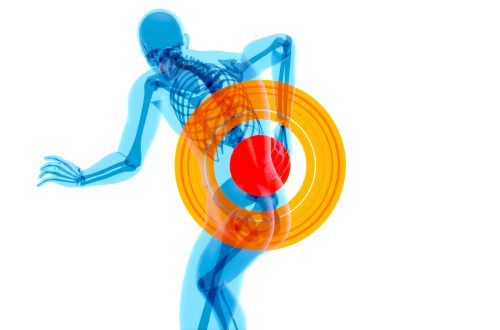
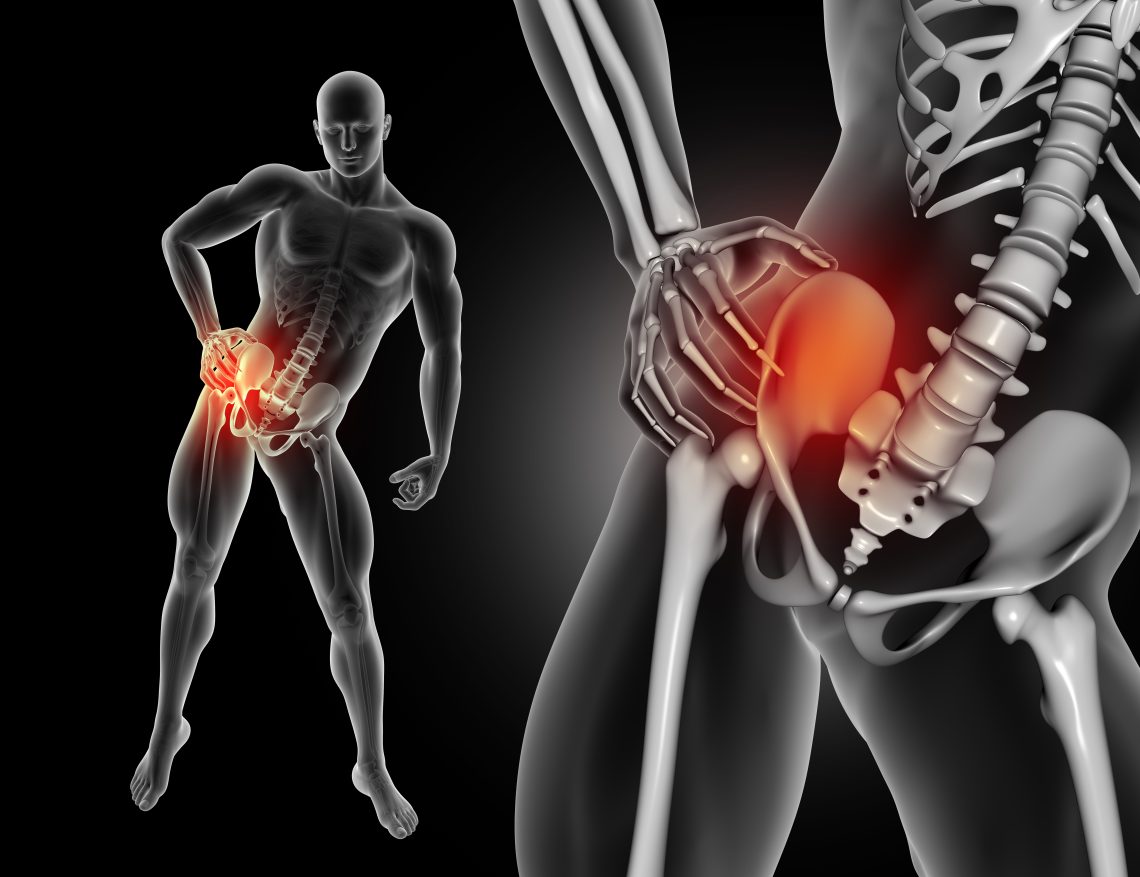
Sciatica pain can be frustrating, uncomfortable, and sometimes even debilitating. It usually starts in the lower back and radiates down through the buttocks and one leg, following the path of the sciatic nerve. The pain may feel sharp, burning, or shooting, and in some cases, it’s accompanied by numbness or tingling.If you’re wondering how to get rid of sciatica pain, the good news is that most cases improve with the right combination of home remedies, exercises, and professional care. Let’s explore the most effective ways to manage and eliminate sciatica pain.
What Causes Sciatica Pain?
Sciatica is not a condition itself but a symptom of an underlying problem. It occurs when the sciatic nerve becomes compressed or irritated. Common causes include:
- Herniated or slipped disc
- Degenerative disc disease
- Spinal stenosis
- Piriformis syndrome
- Poor posture
- Prolonged sitting
If you want a deeper understanding of triggers, you can read more about what causes sciatica pain to identify your specific risk factors.
1. Start with Cold and Heat Therapy
One of the quickest ways to ease sciatica discomfort is alternating between cold and heat therapy.
- Cold packs reduce inflammation and numb sharp pain.
- Heat therapy relaxes tight muscles and improves blood circulation.
Apply a cold pack for 15 minutes during the first 48 hours, then switch to heat therapy as muscle stiffness becomes the main issue.
2. Gentle Stretching and Movement
Although rest may seem like the best option, prolonged inactivity can actually worsen sciatica pain. Gentle stretching helps relieve pressure on the sciatic nerve.
Focus on:
- Hamstring stretches
- Piriformis stretches
- Lower back mobility exercises
For detailed natural techniques, you can explore how to relieve sciatica pain naturally, which includes beginner-friendly exercises that are safe and effective.
Regular walking is also beneficial. Low-impact activities increase blood flow and reduce inflammation.
3. Improve Your Posture Immediately
Poor posture is a major contributor to sciatic nerve compression. Sitting for long hours, especially in a slouched position, increases pressure on the lower spine.
To improve posture:
- Keep your back straight while sitting.
- Use lumbar support.
- Avoid crossing your legs.
- Take breaks every 30–60 minutes.
Postural correction can significantly reduce nerve irritation and prevent recurring flare-ups.
4. Strengthen Your Core Muscles
A weak core places extra strain on your lower back. Strengthening abdominal and lower back muscles provides support to the spine and reduces pressure on the sciatic nerve.
Exercises such as:
- Pelvic tilts
- Bridges
- Planks (modified if necessary)
help stabilize the spine and prevent future episodes of pain.
5. Try Physical Therapy
If home remedies aren’t enough, physiotherapy can be extremely effective. A trained physiotherapist will assess your posture, flexibility, and muscle imbalances to create a personalized recovery plan.
For more at-home solutions before seeking advanced treatment, you may also check how to relieve sciatica pain at home, which provides practical steps you can implement immediately.
6. Consider Professional Treatments
In persistent or severe cases, professional treatments may be required:
- Anti-inflammatory medications
- Muscle relaxants
- Steroid injections
- Chiropractic adjustments
- Osteopathy
If you’re exploring holistic options, you might find helpful insights in does osteopathy work for sciatica, which discusses whether manual therapy can relieve nerve compression.
7. Maintain a Healthy Weight
Excess weight increases pressure on the lower spine. Losing even a small amount of weight can significantly reduce strain on the sciatic nerve.
Combine:
- Balanced diet
- Regular low-impact exercise
- Proper hydration
for long-term spine health.
8. Sleep in a Sciatica-Friendly Position
Sleeping position plays a big role in recovery. The best positions include:
- On your side with a pillow between your knees
- On your back with a pillow under your knees
These positions maintain spinal alignment and reduce nerve tension.
If nighttime pain is severe, you may want to read how to sleep in sciatica pain for detailed posture recommendations.
9. Avoid Activities That Worsen Sciatica
To prevent flare-ups:
- Avoid heavy lifting
- Don’t sit for prolonged hours
- Avoid high-impact workouts
- Don’t twist your spine abruptly
Prevention is just as important as treatment.
10. When to See a Doctor
Seek medical attention if you experience:
- Severe leg weakness
- Loss of bladder or bowel control
- Persistent pain lasting more than a few weeks
- Fever along with sciatic pain
In rare cases, serious underlying conditions require immediate intervention.
Final Thoughts
If you’re searching for how to get rid of sciatica pain, the key is addressing both symptoms and root causes. Gentle stretching, posture correction, strengthening exercises, and proper sleep habits can significantly improve recovery.
Most cases of sciatica improve within a few weeks with conservative care. However, if pain persists, consulting a healthcare professional ensures proper diagnosis and treatment.
Consistency is crucial small daily habits can make a big difference in long-term relief.