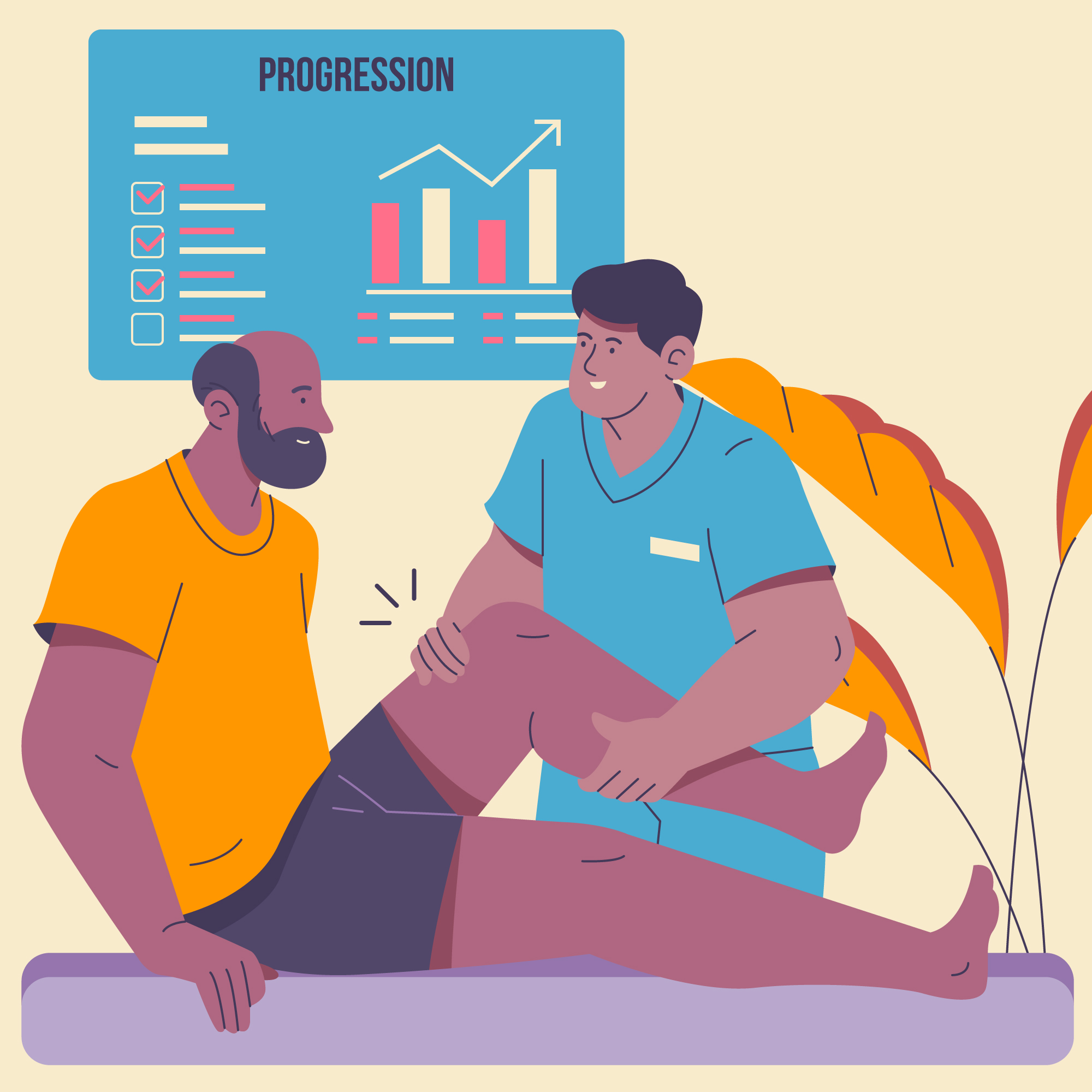
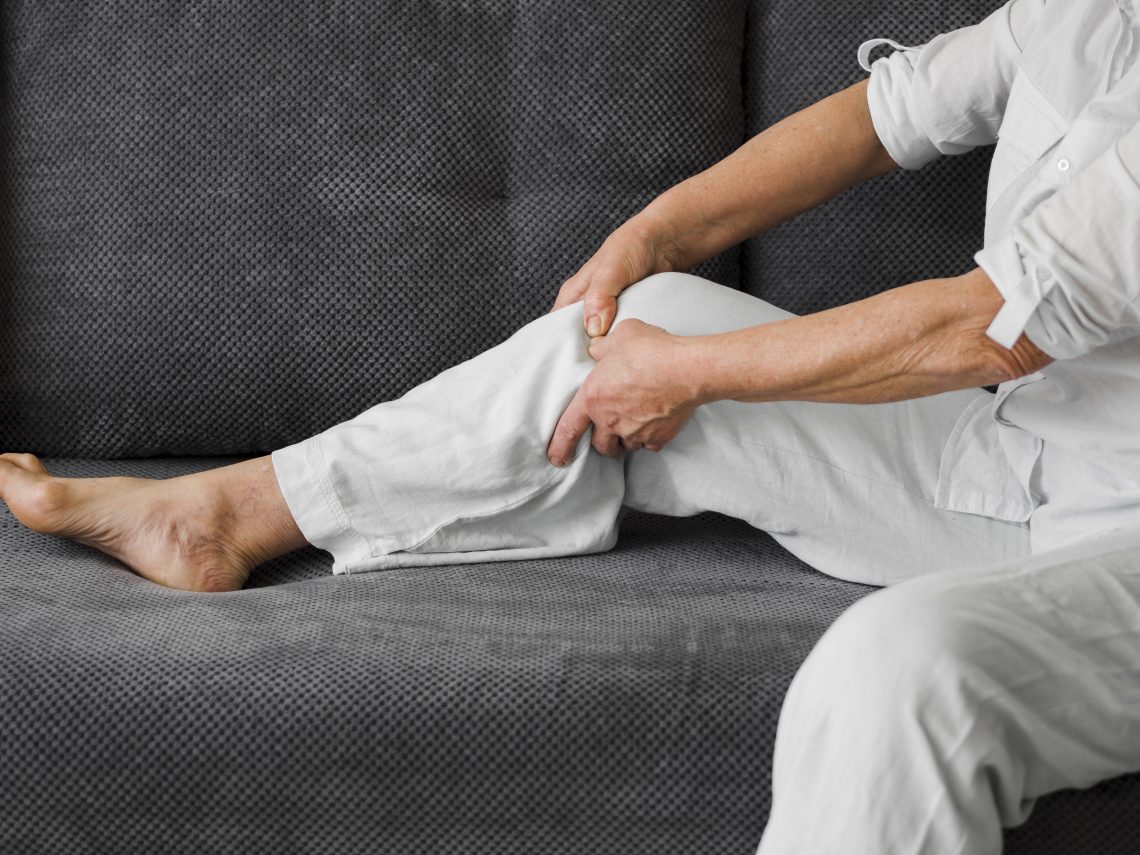
An ACL (Anterior Cruciate Ligament) injury can make even the simplest daily activities difficult and sleeping comfortably often becomes one of the biggest challenges. Pain, swelling, instability, and fear of sudden movements can interrupt sleep and slow down recovery.
Good-quality sleep is essential for healing because your body repairs tissues and reduces inflammation during rest. In this article, we’ll explain how to sleep with an ACL injury safely and comfortably, along with positioning tips, pain management strategies, and mistakes to avoid.
Why Sleeping Is Difficult With an ACL Injury
An ACL injury affects the stability of your knee joint. Whether you’ve suffered a mild tear, complete rupture, or are recovering post-surgery, nighttime discomfort is common due to:
- Knee pain and inflammation
- Swelling that worsens when lying still
- Limited movement or stiffness
- Fear of twisting the knee during sleep
If your injury happened during sports, you may also want to read how to recover from sports injury to understand the broader healing process.
Best Sleeping Positions for an ACL Injury
1. Sleep on Your Back (Best Option)
Sleeping on your back is the safest and most recommended position for an ACL injury.
How to do it properly:
- Place a pillow or rolled towel under your injured knee
- Keep the knee slightly elevated but not overly bent
- Ensure your leg stays in a neutral position
This position reduces swelling and prevents accidental twisting during sleep.
2. Sleeping on Your Side (With Support)
If you’re a side sleeper, you can still sleep comfortably but only with proper support.
Tips:
- Sleep on the non-injured side
- Place a firm pillow between your knees
- Keep the injured leg straight and supported
Without support, side sleeping can strain the knee and delay healing.
3. Avoid Sleeping on Your Stomach
Sleeping on your stomach places unnecessary stress on your knee and increases the risk of twisting. This position is not recommended during ACL recovery.
How to Reduce Night Pain and Swelling
Elevate Your Leg Before Bed
Swelling often increases at night due to gravity. Elevate your leg for 20–30 minutes before sleeping to reduce fluid buildup.
Ice Therapy
Apply ice for 15–20 minutes before bedtime to control inflammation and numb pain. Always use a cloth between the ice pack and skin.
Use a Knee Brace If Needed
A knee brace can provide stability and prevent unwanted movements during sleep, especially if you toss and turn.
If you’re wondering whether braces are effective long-term, you may find are ACL injuries preventable helpful for understanding knee protection strategies.
Pain Management Tips for Better Sleep
- Take prescribed pain medication or anti-inflammatory drugs as advised by your doctor
- Avoid self-medicating excessively
- Gentle stretching (if approved) before bed can reduce stiffness
Persistent pain could indicate delayed healing. In that case, reading ACL injury recovery time can give you realistic expectations.
Sleep Environment Matters
Creating the right sleep environment can significantly improve rest during ACL recovery:
- Use a firm mattress for better joint support
- Keep your room cool and dark
- Avoid screens 1 hour before bedtime
- Maintain a consistent sleep schedule
Poor sleep posture can affect other joints too. If you experience discomfort beyond the knee, check how to sleep with lower back pain for additional positioning tips.
Mistakes to Avoid While Sleeping With an ACL Injury
- Sleeping without knee support
- Bending the knee excessively
- Sudden position changes
- Ignoring swelling or sharp pain
- Sleeping without pain control when needed
These mistakes can worsen symptoms and prolong recovery.
How Long Does Sleep Discomfort Last?
Sleep discomfort usually improves as swelling and pain decrease. This can take:
- 2–4 weeks for mild injuries
- 6–12 weeks or more for severe tears or post-surgery recovery
If your knee still feels unstable, learning can ACL injury heal without surgery may help you understand your treatment options.
When to Consult a Doctor
Seek medical advice if:
- Pain worsens at night
- You experience locking or instability
- Swelling does not reduce
- Sleep disturbance continues beyond a few weeks
Early intervention can prevent long-term complications.
Final Thoughts
Sleeping with an ACL injury can be uncomfortable, but with the right positioning, pain management, and support, quality sleep is absolutely achievable. Prioritizing rest will speed up healing, reduce inflammation, and help you return to normal activities sooner.
Be patient with your recovery, follow your physiotherapist’s advice, and make sleep comfort a daily priority.