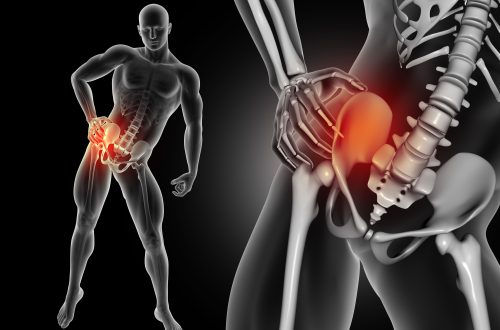
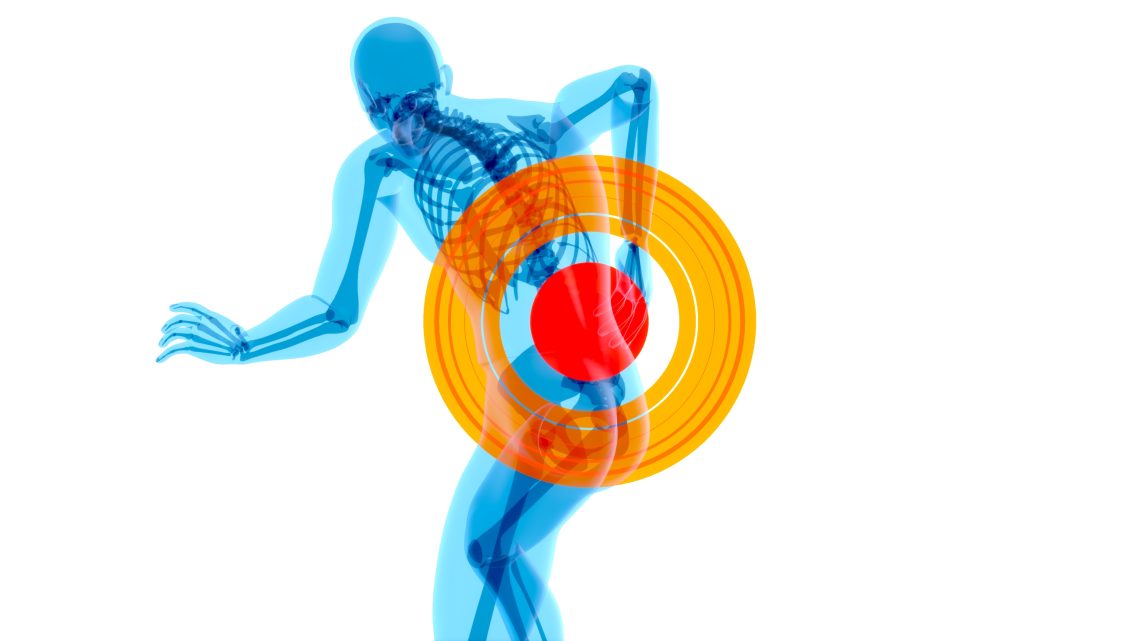
Sciatica pain is one of the most common nerve related pain conditions, affecting millions of people worldwide. It often begins in the lower back and travels through the hips, buttocks, and down one leg. For some, the pain is mild and manageable, while for others, it can be sharp, burning, or even debilitating.
To effectively treat and prevent sciatica, it’s important to understand what causes sciatica pain, how it develops, and why symptoms vary from person to person.
Understanding Sciatica Pain
Sciatica is not a medical condition by itself it is a symptom caused by irritation, inflammation, or compression of the sciatic nerve, the longest nerve in the human body. This nerve starts in the lower spine and runs through the pelvis and down each leg.
When this nerve is compressed or irritated, it sends pain signals along its path, resulting in leg pain, tingling, numbness, or weakness.
1. Herniated or Slipped Disc (Most Common Cause)
The most common cause of sciatica pain is a herniated (slipped) disc in the lumbar spine. Spinal discs act as cushions between vertebrae. When a disc bulges or ruptures, it can press directly on the sciatic nerve.
This pressure causes:
- Sharp shooting pain down the leg
- Tingling or numbness
- Pain that worsens when sitting or bending
Disc-related sciatica is often aggravated by poor posture, heavy lifting, or sudden twisting movements.
2. Spinal Stenosis
Spinal stenosis refers to the narrowing of the spinal canal, which reduces space for nerves. This condition is more common in older adults due to age-related wear and tear.
When the spinal canal narrows, it can compress the sciatic nerve, leading to:
- Pain while walking or standing
- Relief when sitting or bending forward
- Weakness in the legs
If your symptoms worsen with prolonged walking, spinal stenosis may be the underlying cause.
3. Piriformis Syndrome
In some cases, sciatica pain is caused not by the spine but by muscle compression. The piriformis muscle, located deep in the buttocks, lies close to the sciatic nerve. When this muscle becomes tight or inflamed, it can irritate the nerve.
Piriformis-related sciatica often causes:
- Deep buttock pain
- Pain after sitting for long periods
- Increased discomfort during climbing stairs
Learning how to fix sciatica pain often includes addressing muscle tightness and posture-related issues.
4. Degenerative Disc Disease
As we age, spinal discs naturally lose hydration and flexibility. This process is known as degenerative disc disease. Reduced disc height can lead to nerve compression and inflammation.
This type of sciatica pain is usually:
- Gradual in onset
- Worse with activity
- Associated with chronic lower back pain
Lifestyle changes, physiotherapy, and posture correction play a key role in managing this cause.
5. Poor Posture and Prolonged Sitting
Modern lifestyles contribute heavily to sciatica pain. Sitting for long hours especially with poor posture places excessive pressure on the lower spine.
This can lead to:
- Muscle imbalance
- Increased spinal disc pressure
- Nerve irritation
Many people experience relief by improving ergonomics and following techniques described in how to relieve sciatica pain at home.
6. Pregnancy-Related Sciatica
During pregnancy, weight gain, posture changes, and hormonal shifts can place additional stress on the lower spine and pelvis. The growing uterus may also compress the sciatic nerve.
Pregnancy-related sciatica often resolves after delivery but may require gentle stretches and professional guidance during pregnancy.
7. Injury or Trauma
Accidents, falls, or sports injuries can damage the lower spine or surrounding tissues, leading to nerve compression.
If sciatica develops after an injury, recovery may take longer and often requires rehabilitation. You may find helpful strategies in how to recover from sports injury to support healing.
8. Inflammation and Underlying Medical Conditions
In some cases, sciatica pain is linked to inflammation caused by:
- Arthritis in the spine
- Infections
- Tumors (rare)
Conditions such as arthritis can narrow nerve pathways and worsen nerve pain over time. If joint inflammation is involved, understanding can trauma cause arthritis can offer useful insight.
9. Lifestyle Factors That Worsen Sciatica
Several daily habits increase the risk of sciatica pain:
- Sedentary lifestyle
- Obesity (extra pressure on the spine)
- Smoking (reduces blood supply to spinal discs)
- Weak core muscles
Improving fitness, maintaining a healthy weight, and quitting smoking can significantly reduce flare-ups.
Symptoms That Indicate Sciatica Pain
Sciatica symptoms may include:
- Pain radiating from the lower back to the leg
- Burning or electric shock sensation
- Tingling or numbness in the foot
- Muscle weakness
- Pain affecting only one side of the body
If symptoms persist, explore structured care options like those discussed in how to get relief from sciatica leg pain.
When to See a Doctor
Seek medical attention if:
- Pain lasts more than a few weeks
- You experience worsening weakness or numbness
- There is loss of bladder or bowel control
- Pain is severe and sudden
Early diagnosis helps prevent chronic nerve damage.
Final Thoughts
Understanding what causes sciatica pain is the first step toward effective treatment and long-term relief. Whether the cause is a herniated disc, muscle tightness, posture issues, or spinal degeneration, identifying the root problem allows targeted care.
Most cases of sciatica improve with conservative treatment, lifestyle changes, and guided therapy. By addressing the cause not just the symptoms you can reduce recurrence and regain mobility safely.