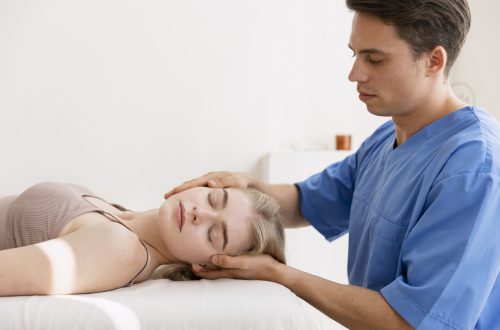
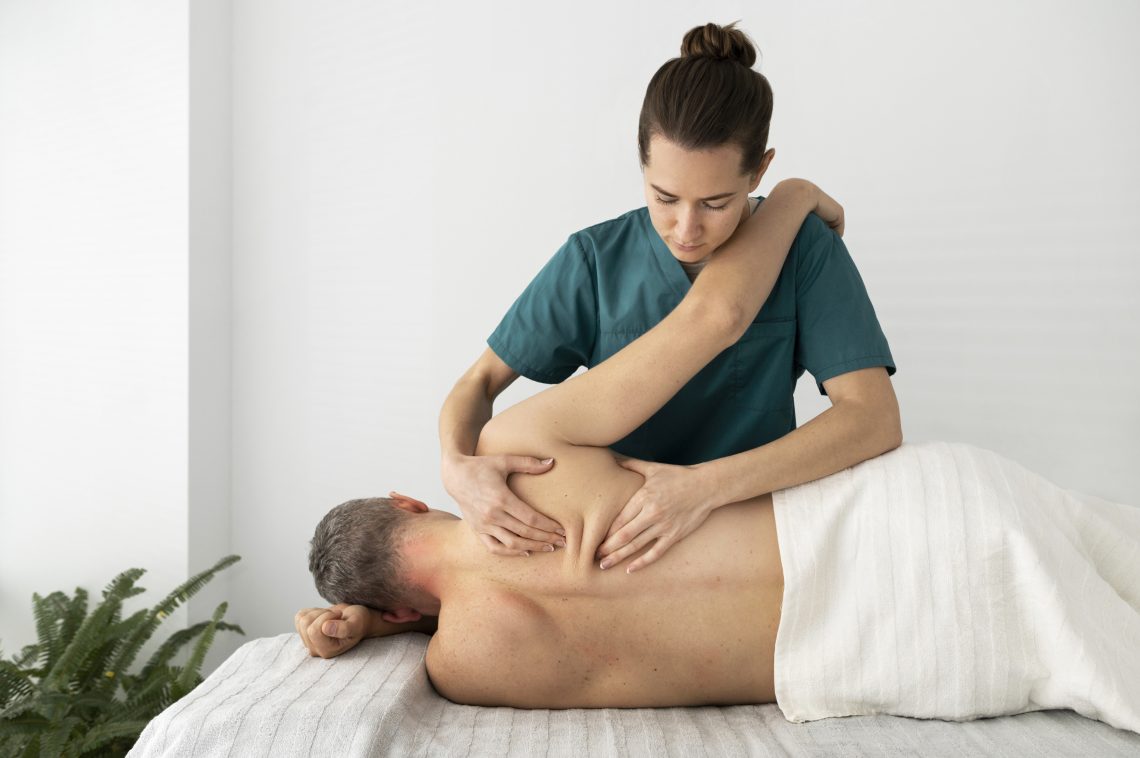
Osteopathy is a hands-on therapy that focuses on improving the body’s structure, mobility, and overall function. Many people visit an osteopath to relieve pain, improve posture, treat muscle stiffness, or address chronic conditions. While most people feel relaxed or lighter after a session, others report feeling tired, sleepy, or drained for several hours or even the whole day.
If you’re wondering “Why am I so tired after osteopathy?”, you’re not alone. Post treatment fatigue is a common and completely normal response. In this article, we explain the reasons behind this tiredness, how long it lasts, and what you can do to recover quickly.
1. Your Body Begins a Healing Response
Osteopathy stimulates your body’s natural healing mechanisms. The hands on techniques like joint mobilization, soft tissue manipulation, stretching, and gentle adjustments address areas of tension and restriction.
Once this happens, your body starts repairing muscles, improving circulation, and releasing built-up stress.
This healing response can make you feel:
- Sleepy
- Tired
- Heavy
- Low-energy
This is similar to how your body reacts after a deep tissue massage or dry needling. To understand how other treatments can trigger physical responses.
👉 How Painful Is Dry Needling
2. Release of Stored Tension and Emotions
Your body stores stress in muscles, fascia, and joints. Osteopathic treatment often releases long held physical tension which can also release emotional stress.
This emotional release can make you feel:
- Mentally tired
- Emotionally sensitive
- More relaxed than usual
- A little foggy
This is the body’s way of decompressing after being “on alert” due to chronic pain, stress, poor posture, or injury.
3. Improved Circulation Causes Temporary Fatigue
Osteopathy increases blood flow to areas that were previously stiff or tight. As oxygen and nutrients begin flowing again, your body shifts into recovery mode.
This sudden increase in circulation can make you feel sleepy or tired, especially if those tissues were under-functioning for a long time.
If your fatigue is linked to pain relief, you may also want to explore:
👉 Does Osteopathy Work for Back Pain
4. Your Nervous System Moves From “Fight or Flight” to “Rest and Digest”
Chronic pain, stress, bad posture, and muscle tension often keep the body stuck in sympathetic mode (fight or flight).
Osteopathy helps activate the parasympathetic nervous system, which:
- lowers stress hormones
- reduces heart rate
- relaxes the mind
- promotes digestion
- encourages sleep
Shifting from a stressed state to a relaxed state may cause deep tiredness as the body finally feels safe enough to rest.
5. Detoxification Can Drain Your Energy
Osteopathic manipulation increases lymphatic drainage, which helps flush out toxins and waste products that accumulate in the muscles.
Detoxification uses energy.
This process can leave you feeling:
- Sluggish
- Heavy
- A bit sick or dizzy (rare but possible)
- Thirsty
Drinking water and resting helps speed up this process.
If you are dealing with chronic pain conditions such as sciatica, your body may already be fatigued. Learn more about this condition at:
👉 How to Fix Sciatica Pain
6. Muscle Activation Can Make You Feel Like You Worked Out
Even though osteopathy is gentle, it activates muscles that may have been inactive or under-used due to pain or poor posture. Just like after exercise, your muscles need recovery time which can lead to tiredness.
This effect is even more noticeable if:
- you haven’t been active
- you have chronic stiffness
- your posture has been misaligned
- your joints haven’t moved properly for a long time
7. Your Body Is Rebalancing
Osteopathy aims to restore balance across the body structurally, muscularly, and neurologically. When certain joints or tissues shift into better alignment, the rest of your body must adjust.
This rebalancing drains energy in the short term, but it improves wellbeing in the long term.
Many people report:
- improved sleep
- reduced pain
- better posture
- calmer mind
- easier mobility
within 24–48 hours after the session.
How Long Does Post-Osteopathy Fatigue Last
For most people:
- Mild tiredness lasts 4–12 hours
- Moderate fatigue may last 24 hours
- Rarely, tiredness may linger up to 48 hours
This is most common after your first few sessions, especially when the body is undergoing several adjustments.
How to Recover Faster After Osteopathy
Here are simple steps to reduce tiredness and support healing:
1. Drink plenty of water
Helps flush toxins and support circulation.
2. Rest or take a short nap
Let your body complete the healing cycle.
3. Light stretching
Gentle movement prevents stiffness.
4. Eat light, healthy meals
Avoid heavy, greasy foods that slow digestion.
5. Avoid strenuous exercise for 24 hours
Give your muscles time to recover.
6. Listen to your body
If you feel tired, honor it your body is repairing itself.
When Should You Be Concerned?
Fatigue after osteopathy is normal, but seek advice if:
- tiredness lasts more than 48 hours
- you experience severe dizziness
- pain increases significantly
- you feel unwell or feverish
These could indicate an underlying issue that needs attention.
Final Thoughts
Feeling tired after osteopathy is not a sign that something is wrong it’s a sign that your body is healing, realigning, and releasing tension. This temporary fatigue is part of the natural recovery process as your system transitions into a healthier, more balanced state.
With proper rest, hydration, and trust in the process, you’ll likely notice:
- improved mobility
- reduced pain
- better posture
- deeper relaxation
- more energy in the long run
Osteopathy works with your body’s natural healing abilities and fatigue is often just the body’s way of saying, “I’m repairing please give me a moment.