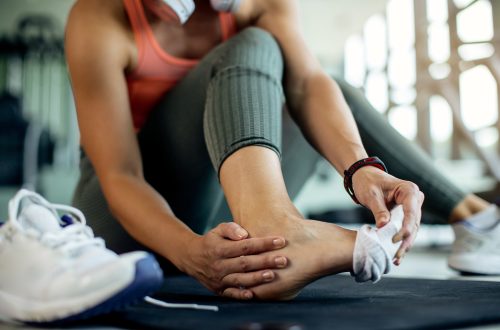
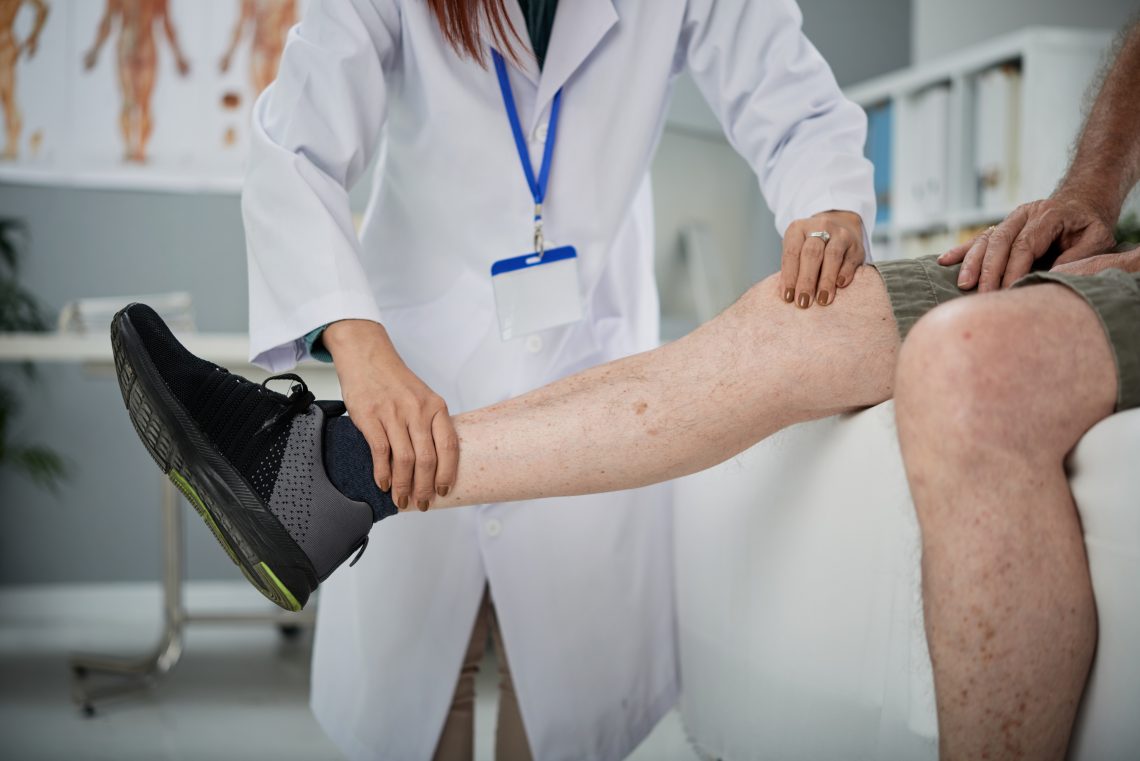
Varicose veins are a common condition that affects millions of people worldwide. They are enlarged, twisted veins that usually appear on the legs and feet due to poor blood circulation. While many people consider varicose veins a cosmetic issue, they can also lead to uncomfortable symptoms such as swelling, heaviness, cramping, and even ankle pain. If you’ve been wondering, “Can varicose veins cause ankle pain?” the answer is yes. In many cases, poor vein function in the legs can lead to pain and discomfort around the ankles. Understanding the connection between varicose veins and ankle pain can help you manage symptoms early and prevent complications.
What Are Varicose Veins?
Varicose veins occur when the valves inside the veins weaken or become damaged. Normally, these valves help blood flow back toward the heart. When they stop functioning properly, blood begins to pool in the veins, causing them to enlarge and become visible beneath the skin.
Common causes of varicose veins include:
- Standing or sitting for long periods
- Obesity
- Pregnancy
- Aging
- Lack of exercise
- Family history of vein problems
Varicose veins most commonly affect the legs because the veins in the lower body work against gravity to return blood to the heart.
How Can Varicose Veins Cause Ankle Pain?
Varicose veins can directly and indirectly contribute to ankle pain in several ways.
1. Poor Blood Circulation
When blood pools in the veins, circulation becomes less efficient. This increased pressure in the lower legs can lead to swelling and discomfort around the ankles. Many people describe the pain as aching, throbbing, or a feeling of heaviness.
2. Swelling Around the Ankles
One of the most common symptoms of varicose veins is swelling in the lower legs and ankles. Fluid buildup caused by poor circulation can put pressure on surrounding tissues, resulting in tenderness and pain.
If you also experience frequent ankle discomfort after physical activity, you may find our guide on how to relieve ankle pain helpful for additional pain management tips.
3. Inflammation and Skin Changes
Long-term vein problems may cause inflammation in the tissues surrounding the ankle. In severe cases, the skin near the ankles can become dry, itchy, or discolored. This condition, called venous insufficiency, may eventually lead to ulcers and chronic pain if left untreated.
4. Muscle Fatigue and Cramping
Poor circulation affects oxygen delivery to the muscles. As a result, the calf muscles and ankle area may feel fatigued or cramped, especially after standing for long periods.
For people who are active or exercise regularly, learning how to avoid ankle pain while running can also help reduce strain on the lower legs and improve circulation.
Symptoms of Varicose Veins Related to Ankle Pain
Varicose veins can cause a range of symptoms beyond visible veins. Common signs include:
- Aching or throbbing pain in the legs
- Swelling in the feet and ankles
- A heavy feeling in the legs
- Muscle cramps, especially at night
- Burning or itching around the veins
- Pain that worsens after standing for long periods
Ankle pain associated with varicose veins often improves when the legs are elevated or after resting.
Risk Factors for Varicose Veins and Ankle Pain
Certain factors increase the likelihood of developing varicose veins and ankle discomfort:
- Age: Vein walls and valves weaken over time.
- Gender: Women are more likely to develop varicose veins due to hormonal changes.
- Obesity: Extra weight increases pressure on the veins.
- Sedentary lifestyle: Lack of movement affects circulation.
- Pregnancy: Increased blood volume and hormonal changes strain the veins.
Maintaining regular movement and a healthy weight can significantly reduce the risk of vein-related pain.
How to Relieve Ankle Pain Caused by Varicose Veins
Fortunately, there are several ways to manage symptoms and improve circulation naturally.
1. Elevate Your Legs
Raising your legs above heart level for 15–20 minutes helps blood flow back toward the heart and reduces swelling around the ankles.
2. Wear Compression Stockings
Compression stockings gently squeeze the legs, improving circulation and preventing blood from pooling in the veins. They are one of the most effective non-surgical treatments for varicose veins.
3. Stay Physically Active
Regular exercise such as walking, cycling, or swimming improves blood flow and strengthens calf muscles, which help pump blood back to the heart.
If joint discomfort limits your activity, you may also benefit from reading how to reduce knee joint pain to support overall leg mobility and reduce pressure on your lower body.
4. Avoid Prolonged Standing or Sitting
Sitting or standing for long periods worsens vein pressure. Take short movement breaks every 30–60 minutes to encourage healthy circulation.
5. Maintain a Healthy Weight
Reducing excess body weight decreases pressure on the veins and improves circulation throughout the legs.
6. Try Gentle Massage Therapy
Massage may help stimulate blood flow and reduce swelling. Many people also explore therapies such as sports massage or trigger point release to improve circulation and reduce leg discomfort.
When to See a Doctor
While mild varicose veins can often be managed at home, medical attention is important if you experience:
- Severe ankle swelling or pain
- Skin ulcers or sores near the ankles
- Bleeding veins
- Sudden redness or warmth in the leg
- Difficulty walking
These symptoms may indicate complications such as deep vein thrombosis or chronic venous insufficiency.
Can Varicose Veins Be Prevented?
Although genetics play a role, healthy habits can reduce your risk:
- Exercise regularly
- Avoid sitting or standing too long
- Wear supportive footwear
- Maintain a healthy body weight
- Elevate your legs when resting
Taking care of your circulation early can help prevent both varicose veins and chronic ankle pain later in life.
Final Thoughts
So, can varicose veins cause ankle pain? Absolutely. Poor circulation, swelling, and increased pressure in the veins can all contribute to discomfort around the ankles. The good news is that lifestyle changes, exercise, compression therapy, and proper medical care can greatly improve symptoms and prevent complications.
If your ankle pain is persistent or worsening, it’s important to consult a healthcare professional for proper evaluation and treatment. Managing vein health early can help you stay active, comfortable, and pain-free.