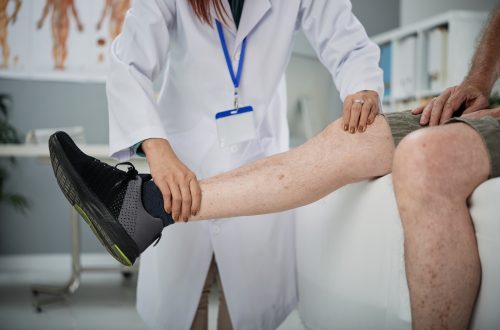

Running is one of the best forms of exercise for improving cardiovascular health, stamina, and overall fitness. However, ankle pain is a common issue faced by both beginners and experienced runners. It can range from mild discomfort to severe pain that disrupts your training routine.
If you’re wondering how to avoid ankle pain while running, the key lies in proper technique, strengthening exercises, and preventive care. In this guide, we’ll explore practical tips to keep your ankles strong, stable, and pain-free.
Common Causes of Ankle Pain While Running
Before preventing ankle pain, it’s important to understand what causes it. Some common reasons include:
- Improper footwear
- Weak ankle muscles
- Overtraining or sudden increase in intensity
- Poor running form
- Running on uneven surfaces
- Previous injuries like sprains
Ignoring early signs of discomfort can lead to chronic issues, so prevention is always better than treatment.
1. Choose the Right Running Shoes
Wearing the right shoes is one of the most important factors in preventing ankle pain. Running shoes should provide:
- Proper arch support
- Cushioning to absorb impact
- Stability to prevent excessive ankle movement
Replace your shoes every 500–700 km, as worn-out soles lose their shock absorption ability.
2. Warm Up Before Running
Skipping warm-ups can put sudden stress on your ankles. Spend 5–10 minutes doing:
- Light jogging
- Ankle rotations
- Dynamic stretches
This prepares your joints and muscles for the activity and reduces injury risk.
3. Strengthen Your Ankles
Weak ankles are more prone to injury. Strengthening exercises improve stability and reduce pain.
Try these simple exercises:
- Heel raises
- Resistance band ankle exercises
- Balance training (standing on one leg)
Strong ankles also help prevent injuries like sprains. If you’ve had previous injuries, you may want to learn more about how to treat a sprained ankle and proper recovery techniques.
4. Improve Your Running Form
Poor running technique can put unnecessary strain on your ankles.
Follow these tips:
- Keep your posture upright
- Land softly on your midfoot instead of your heel
- Avoid overstriding
- Maintain a steady rhythm
Correct form distributes impact evenly and reduces pressure on your joints.
5. Avoid Sudden Increase in Training
One of the biggest mistakes runners make is increasing distance or speed too quickly. This overloads the ankle joint and leads to pain.
Follow the 10% rule: Increase your running distance or intensity by no more than 10% per week.
6. Run on the Right Surface
Hard surfaces like concrete increase impact on your ankles. Whenever possible, run on:
- Grass
- Tracks
- Treadmills
Also, avoid uneven terrain that can twist your ankle and cause injury.
7. Stretch After Running
Post-run stretching is just as important as warming up. Focus on:
- Calf stretches
- Achilles tendon stretches
- Foot mobility exercises
This helps release tension and prevents stiffness in the ankle joint.
8. Listen to Your Body
Pain is your body’s warning signal. If you feel discomfort:
- Take a break
- Reduce intensity
- Apply ice if needed
Ignoring pain can worsen the condition and lead to serious injuries.
If ankle pain persists, you can explore how to relieve ankle pain for effective home remedies and recovery strategies.
9. Use Proper Recovery Techniques
Recovery plays a huge role in preventing injuries. After running:
- Ice your ankles if sore
- Elevate your feet
- Wear compression support if needed
For faster healing after minor injuries, check out how to heal a sprained ankle fast in 2 days for practical recovery tips.
10. Cross-Train to Reduce Stress
Running every day can strain your ankles. Mix your routine with low-impact exercises like:
- Swimming
- Cycling
- Yoga
This reduces repetitive stress and improves overall muscle balance.
11. Maintain Overall Fitness
Your ankles don’t work alone they’re connected to your knees, hips, and core. Weakness in any of these areas can increase ankle strain.
If you experience knee discomfort along with ankle pain, you might also benefit from reading how to reduce knee joint pain to improve lower body strength and alignment.
When to See a Doctor
Seek medical attention if you experience:
- Severe or sharp ankle pain
- Swelling that doesn’t reduce
- Difficulty walking
- Repeated ankle injuries
Early diagnosis can prevent long-term complications.
Final Thoughts
Learning how to avoid ankle pain while running is essential for maintaining a consistent and injury-free fitness routine. By choosing the right shoes, strengthening your ankles, improving your running form, and listening to your body, you can significantly reduce the risk of pain and injury.
Consistency, proper technique, and recovery are the keys to staying pain-free and enjoying your running journey.