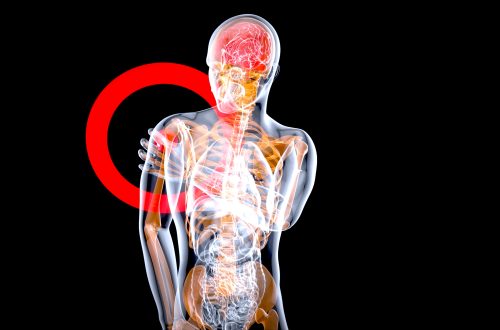

Muscle pain, stiffness, and restricted movement can sometimes be caused by trigger points. These are tight, sensitive areas within a muscle that may cause discomfort in the affected area or even refer pain to other parts of the body. Trigger point release is a therapeutic technique used by physiotherapists to reduce muscle tension, improve mobility, and relieve discomfort.
But what actually happens when a trigger point is released? Does the muscle relax immediately? Can you feel soreness afterward? Understanding the process can help you know what to expect during and after treatment.
In this article, we will explore how trigger point release works, what happens inside your muscles, and how it can support recovery.
1. Muscle Tension Starts to Decrease
When a physiotherapist applies pressure to a trigger point, the affected muscle tissue responds to the applied mechanical force. The pressure may help reduce local sensitivity and muscle guarding, allowing the surrounding muscle to relax.
Trigger points are often associated with tight bands of muscle fibres that feel tender when touched. Releasing these areas may help reduce the sensation of tightness and discomfort.
As the muscle relaxes, you may notice:
- Reduced muscle stiffness.
- Less tenderness around the affected area.
- Improved comfort during movement.
- A gradual reduction in muscle tightness.
The response varies depending on the severity of the trigger point and the individual’s condition.
2. Pain and Tenderness May Reduce
One of the main reasons people undergo trigger point release is to manage muscle pain. Trigger points can produce local pain or referred pain, which means discomfort may be felt in a different area from where the actual trigger point is located.
For example, a trigger point in the upper trapezius muscle may contribute to pain around the neck, shoulder, or head.
When the trigger point is treated, sensitivity in the affected muscle may decrease. This can help reduce discomfort and make everyday activities more comfortable.
If you frequently experience muscle-related headaches, understanding how to release trigger points in the trapezius can help you learn more about the relationship between muscle tension and pain.
3. Blood Circulation May Improve
Muscle tension and prolonged pressure can influence local blood flow. During trigger point release, the application and subsequent removal of pressure may produce temporary changes in circulation around the treated area.
Improved local blood flow can support the delivery of oxygen and nutrients required for normal muscle function.
This may contribute to:
- Better muscle comfort.
- Improved tissue recovery.
- Reduced feelings of tightness.
- Greater ease of movement.
However, trigger point release should not be considered a guaranteed way to increase circulation or remove toxins from muscles. Its effects depend on the individual’s condition and treatment approach.
4. Muscle Flexibility and Range of Motion May Improve
Trigger points can make certain movements uncomfortable by increasing muscle sensitivity and contributing to restricted movement.
For example, tight trigger points in the neck muscles may make it difficult to turn your head comfortably. Similarly, trigger points around the shoulders may affect arm movement.
After trigger point release, some individuals experience improved flexibility and range of motion.
You may notice:
- Easier neck rotation.
- Improved shoulder movement.
- Less discomfort while stretching.
- Better flexibility during daily activities.
Combining trigger point release with appropriate stretching and strengthening exercises can help maintain these improvements.
5. You May Experience Temporary Soreness
It is normal for some people to experience mild tenderness or soreness after trigger point release. This can happen because the treated muscle area may be sensitive to pressure.
The sensation is sometimes similar to the soreness experienced after a workout.
Post-treatment symptoms may include:
- Mild muscle tenderness.
- Temporary stiffness.
- Slight discomfort when touching the treated area.
- A feeling of heaviness in the muscle.
These symptoms generally settle within a short period. However, severe or worsening pain, significant swelling, numbness, or unusual symptoms should be assessed by a healthcare professional.
Your physiotherapist may recommend gentle movement, adequate hydration, and avoiding excessive strain on the treated muscles.
6. Muscle Movement and Coordination May Become Easier
When muscle discomfort decreases, performing everyday movements may become more comfortable. Trigger point release can help reduce pain-related movement restrictions, making it easier to participate in normal activities.
For instance, releasing tight muscles around the shoulders may help someone perform overhead movements more comfortably.
However, trigger point release alone may not address the underlying cause of recurring muscle tension. Poor posture, repetitive movements, muscle weakness, and physical overuse may contribute to the development of trigger points.
This is why physiotherapists often combine manual therapy with corrective exercises and movement training.
How Long Does It Take to Feel Better After Trigger Point Release?
The time required to experience relief varies from person to person. Some individuals notice changes immediately after treatment, while others may need multiple sessions to experience meaningful improvement.
Factors that influence recovery include:
- Severity and duration of muscle tension.
- Location of the trigger point.
- Overall muscle strength and flexibility.
- Daily activity and posture habits.
- Consistency with recommended exercises.
For long-term results, physiotherapy treatment should focus on identifying and managing the factors contributing to muscle discomfort.
Is Trigger Point Release Safe?
Trigger point release is generally considered safe when performed appropriately by a trained physiotherapist. However, the technique and pressure should be adjusted according to the individual’s health condition and pain tolerance.
People with certain medical conditions, recent injuries, fractures, infections, or bleeding disorders may require additional assessment before treatment.
A physiotherapist can determine whether trigger point release is appropriate and recommend alternative treatment methods when necessary.
You can also explore what is trigger point release is to understand the technique and its role in physiotherapy.
Conclusion
Trigger point release can help reduce muscle sensitivity, relieve tension, improve movement, and support better muscle function. During treatment, pressure is applied to specific sensitive areas of the muscle, which may help reduce discomfort and improve mobility.
Although some people experience immediate relief, others may notice gradual improvements over multiple sessions. Combining trigger point therapy with stretching, strengthening exercises, and posture correction can support longer-term results.
If you regularly experience muscle tightness or recurring pain, consult a qualified physiotherapist to identify the underlying cause and develop an appropriate treatment plan.