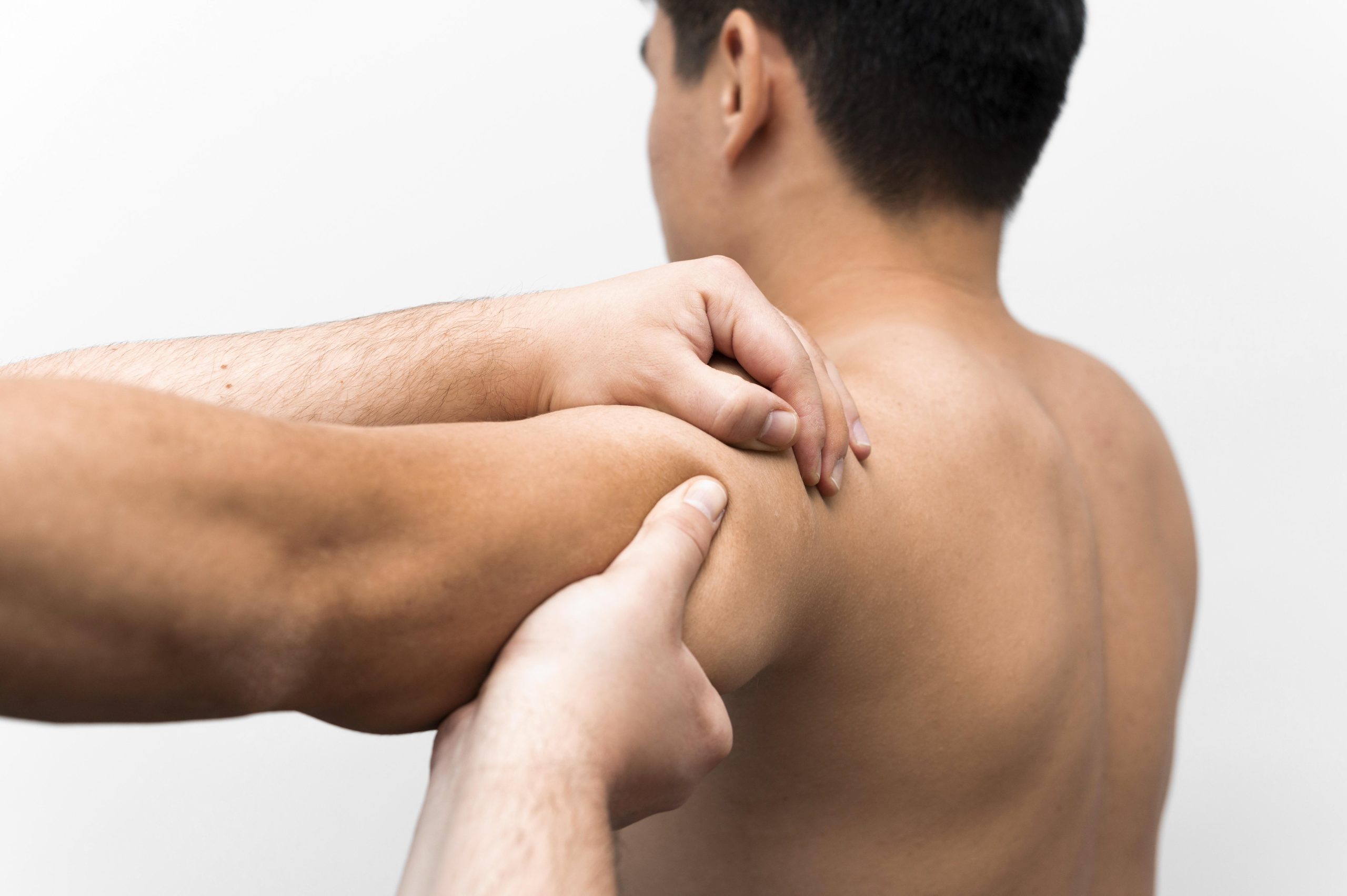
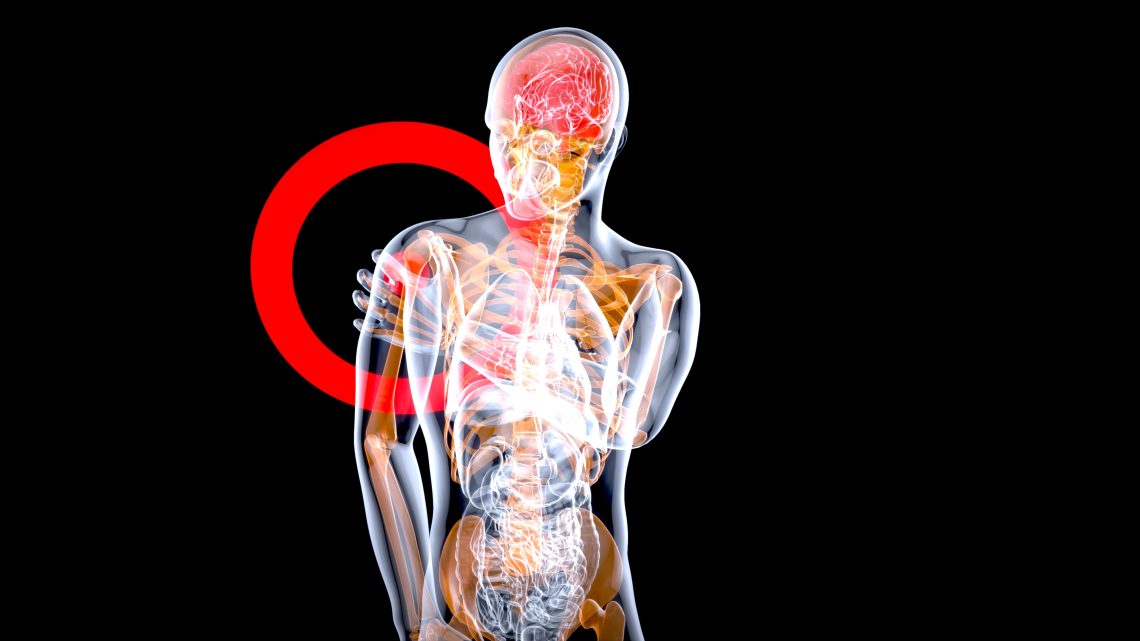
Myofascial trigger points, often called “muscle knots,” are tight and sensitive areas within muscles that can cause pain, stiffness, and restricted movement. These trigger points develop when muscle fibers tighten and fail to relax properly, leading to discomfort that may radiate to other parts of the body. Many people experience trigger points in the neck, shoulders, back, or legs due to stress, poor posture, overuse, or injury.
The good news is that there are several effective ways to release myofascial trigger points naturally and improve muscle function. In this article, we’ll explore what trigger points are, why they occur, and the best techniques to relieve them safely at home.
What Are Myofascial Trigger Points?
Myofascial trigger points are hyperirritable spots in the muscle fascia the connective tissue surrounding muscles. These knots can feel tender when touched and may cause localized or referred pain. For example, a trigger point in your shoulder may lead to headaches or neck pain.
Common symptoms include:
- Muscle tightness
- Pain or tenderness
- Reduced range of motion
- Muscle weakness
- Headaches or radiating pain
People who sit for long hours, perform repetitive movements, or experience high stress are more likely to develop trigger points.
If you want to understand more about trigger point therapy, you can also read our guide on what is trigger point release for a detailed explanation of how it works.
Causes of Myofascial Trigger Points
Several factors contribute to the development of trigger points, including:
- Poor posture
- Stress and anxiety
- Muscle overuse
- Sports injuries
- Lack of physical activity
- Dehydration
- Poor sleeping positions
Tension in the neck and shoulders is especially common among people who work on computers for long hours. Chronic stress can also worsen muscle tightness. Learn more about how stress affects the body in our article on can stress cause neck pain.
How to Release Myofascial Trigger Points
1. Self-Massage Techniques
One of the easiest ways to release trigger points is through self-massage. Applying gentle pressure to the affected area helps improve blood circulation and relax tight muscle fibers.
How to Do It:
- Use your fingers, knuckles, or a massage ball.
- Apply steady pressure on the trigger point for 30–60 seconds.
- Breathe deeply and relax while holding the pressure.
- Repeat several times daily.
Tennis balls and foam rollers are commonly used for self-myofascial release, especially for the back, shoulders, and legs.
2. Foam Rolling
Foam rolling is a highly effective technique for relieving muscle knots and improving flexibility. It works by applying pressure to the fascia and muscles, helping break up adhesions and tension.
Best Areas for Foam Rolling:
- Upper back
- Calves
- Hamstrings
- IT band
- Glutes
Roll slowly over the tight area and pause when you find a tender spot. Hold for 20–30 seconds before moving on.
3. Stretching Exercises
Stretching helps lengthen tight muscles and reduce trigger point formation. Gentle stretches improve circulation and prevent stiffness from returning.
Helpful Stretches Include:
- Neck stretches
- Shoulder rolls
- Hamstring stretches
- Lower back stretches
If your trigger points are causing neck stiffness or headaches, our guide on how to reduce neck pain may also help you manage related discomfort.
4. Heat Therapy
Applying heat increases blood flow and relaxes tense muscles. Warm compresses, heating pads, or warm showers can be extremely soothing for trigger point pain.
Tips:
- Apply heat for 15–20 minutes.
- Avoid excessive heat to prevent skin irritation.
- Combine heat therapy with stretching for better results.
5. Dry Needling Therapy
Dry needling is a popular treatment performed by physiotherapists to release trigger points. Thin needles are inserted into tight muscle bands to stimulate relaxation and improve blood flow.
Many people find significant relief with this technique, especially for chronic muscle pain. If you’re curious about this therapy, read our article on what is dry needling to understand how it works and its benefits.
6. Improve Posture
Poor posture places constant strain on muscles, leading to trigger point formation. Maintaining proper alignment while sitting, standing, and sleeping can help prevent recurring muscle knots.
Posture Tips:
- Keep your shoulders relaxed.
- Avoid slouching.
- Use ergonomic chairs.
- Take regular breaks from sitting.
Poor posture can also contribute to headaches and upper back pain. You may benefit from reading can a chiropractor fix my posture for additional guidance on posture correction.
7. Stay Hydrated
Dehydration can make muscles tighter and more prone to trigger points. Drinking enough water helps maintain muscle elasticity and improves circulation.
Aim for:
- 2–3 liters of water daily
- More fluids during exercise or hot weather
8. Manage Stress Levels
Stress causes muscles to tighten unconsciously, especially around the neck and shoulders. Relaxation techniques can help reduce tension and prevent trigger points from returning.
Stress Management Ideas:
- Meditation
- Deep breathing exercises
- Yoga
- Regular exercise
- Adequate sleep
When to Seek Professional Help
While many trigger points can be managed at home, you should consult a healthcare professional if:
- Pain persists for weeks
- Trigger points limit daily activities
- You experience numbness or weakness
- Home remedies are ineffective
A physiotherapist, chiropractor, or massage therapist can provide targeted treatments such as manual therapy, dry needling, or therapeutic exercises.
Final Thoughts
Myofascial trigger points are a common cause of muscle pain and stiffness, but they can often be relieved with simple techniques like massage, stretching, foam rolling, and heat therapy. Improving posture, staying hydrated, and managing stress also play an important role in preventing trigger points from returning.
By understanding how to release myofascial trigger points naturally, you can improve flexibility, reduce pain, and support long-term muscle health. If symptoms persist, seeking professional treatment can help you recover faster and prevent chronic discomfort.