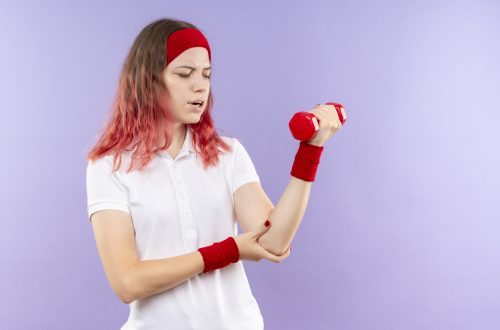
Tennis elbow, medically known as lateral epicondylitis, is a painful condition caused by inflammation or micro-tears in the tendons attached to the outer elbow. It commonly affects people who perform repetitive wrist or forearm movements not just tennis players but also office workers, gym goers, painters, and manual laborers.
When pain persists despite rest, ice, or medications, many individuals explore advanced physiotherapy techniques. One treatment that has gained significant attention is dry needling. But how effective is dry needling for tennis elbow? Does it truly relieve pain, or is it just another therapy trend?
In this article, we break down how dry needling works, its benefits, expected results, and whether it’s the right choice for tennis elbow relief.
What Is Dry Needling?
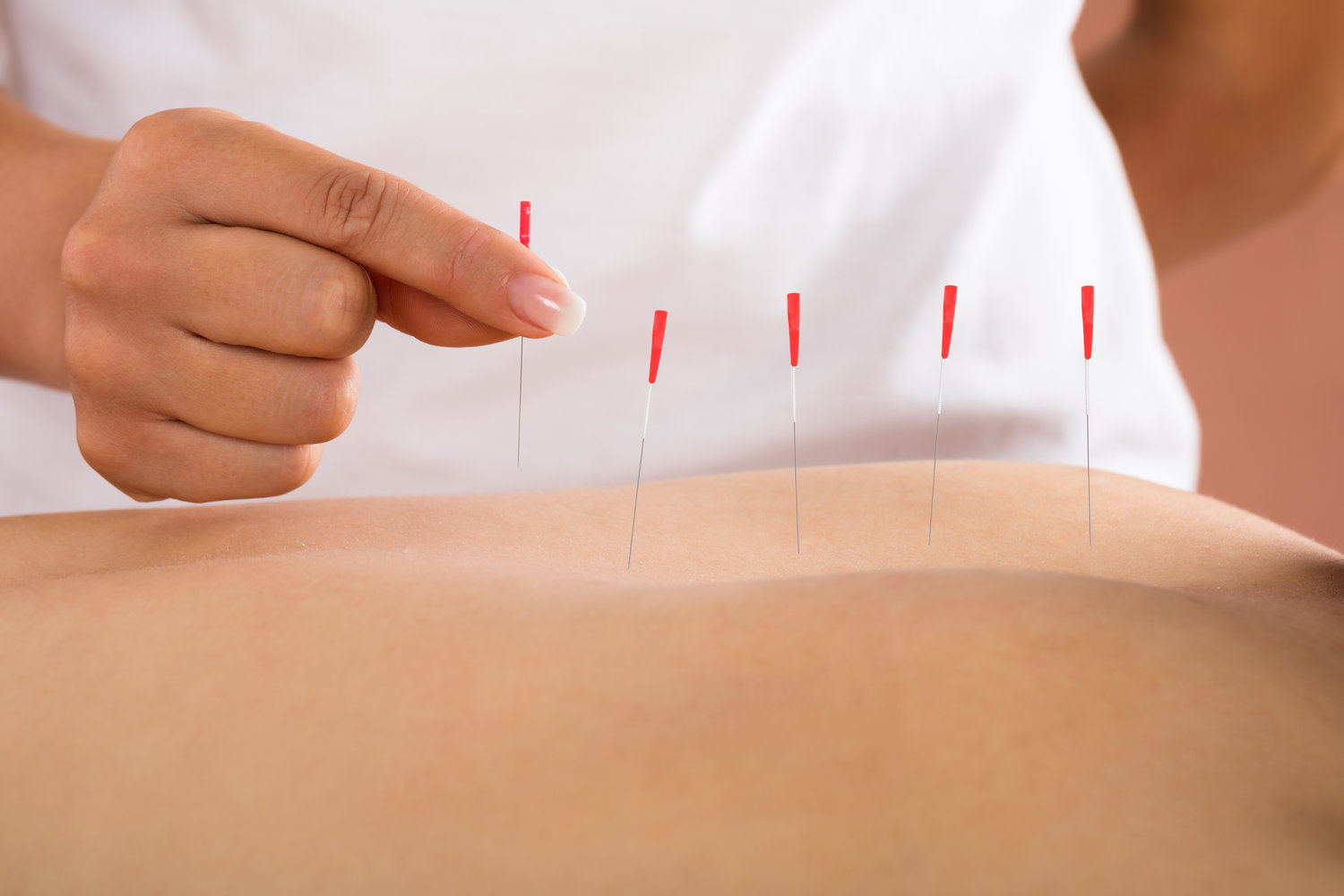
Dry needling is a targeted physiotherapy technique that uses thin, sterile needles inserted into trigger points tight knots in muscles that cause pain and restricted movement. Unlike acupuncture, which follows traditional Chinese medicine principles, dry needling is based on modern anatomy and neuromuscular science.
The goal is to release tight muscles, reduce inflammation, improve blood flow, and promote faster healing.
To learn more about trigger points and why they hurt, you may explore:
👉 What Is Trigger Point Release
Understanding Tennis Elbow
Tennis elbow develops when the extensor tendons of the forearm (especially the extensor carpi radialis brevis) become overloaded. This leads to:
- Pain on the outside of the elbow
- Weak grip strength
- Difficulty lifting objects
- Pain when twisting or extending the wrist
- Stiffness in the forearm
Because the forearm muscles are under constant use, the condition can be slow to heal without proper intervention.
How Dry Needling Helps Tennis Elbow
Dry needling addresses both muscular tightness and tendon inflammation, which are the core issues behind tennis elbow. Here’s how it works:
1. Releases Trigger Points and Muscle Knots
Tennis elbow often involves trigger points in the forearm extensor muscles. Needling these points causes a local twitch response, helping the muscle relax instantly.
2. Improves Blood Flow
Needling increases circulation to the injured tendon area, boosting the delivery of oxygen and nutrients needed for healing.
3. Reduces Pain Signaling
Inserting needles stimulates the nervous system, interrupting pain signals from the elbow to the brain.
4. Promotes Faster Tissue Repair
Micro-injuries from the needle trigger the body’s natural healing response, stimulating collagen production in damaged tendons.
5. Enhances Mobility and Function
Within a few sessions, patients often notice:
- Reduced pain
- Increased grip strength
- Less stiffness
- Better range of motion
How Effective Is Dry Needling for Tennis Elbow?
Studies show that dry needling is highly effective for reducing pain and restoring function in tennis elbow patients when done by a trained physiotherapist.
Research Highlights
- Dry needling significantly reduces pain intensity compared to rest or medication alone.
- It shows faster results when combined with physiotherapy exercises and soft tissue release.
- Patients often experience relief within 1–3 sessions, with long-lasting results after consistent treatment.
Clinical Benefits Observed
✔ Quick reduction in pain
✔ Improved grip and wrist strength
✔ Better function in daily activities
✔ Decreased muscle tension
✔ Enhanced recovery when paired with strengthening exercises
How Many Dry Needling Sessions Are Needed?
Most patients require:
- 3–6 sessions for mild cases
- 6–10 sessions for chronic or severe tennis elbow
Sessions are typically spaced 5–7 days apart to allow muscles to recover.
Does Dry Needling Hurt?
Dry needling is usually well-tolerated, but patients may feel:
- A brief pinch as the needle enters
- A twitch response (muscle jump)
- Temporary soreness for 24–48 hours
If you want to understand more about the sensation, refer to:
👉 How Painful Is Dry Needling
This soreness is normal and part of the healing process.
Is Dry Needling Safe for Tennis Elbow?
Yes, dry needling is safe when performed by a certified physiotherapist. However, mild side effects may occur, such as:
- Soreness
- Small bruises
- Temporary fatigue
On rare occasions, complications can happen if performed incorrectly. To learn more about potential risks, you can read:
👉 Can Dry Needling Cause Nerve Damage
What to Expect During a Dry Needling Session
A typical session involves:
- Assessment of your elbow, wrist, and forearm
- Identification of trigger points
- Insertion of sterile, thin needles
- Manual release techniques or electrical stimulation (if needed)
- Post-treatment exercises
Many therapists combine dry needling with:
- Soft tissue mobilization
- Forearm strengthening
- Stretching
- Posture correction
- Elbow bracing (in some cases)
Combining Dry Needling With Other Treatments
Dry needling alone is effective, but combining it with other physiotherapy treatments leads to much faster recovery.
Best combinations include:
- Eccentric strengthening exercises
- Tendon loading therapy
- Ultrasound or shockwave therapy
- Ergonomic corrections
- Activity modification
For quick home relief, read:
👉 How to Heal Tennis Elbow Pain
Who Should Avoid Dry Needling?
Dry needling is not recommended for:
- People with uncontrolled bleeding disorders
- Those with severe needle phobia
- Individuals with active infections at the treatment site
- Pregnant women (avoid certain points)
Always consult a physiotherapist before starting treatment.
When to See a Physiotherapist
Seek professional help if you experience:
- Persistent elbow pain for more than 2 weeks
- Pain affecting daily activities
- Severe weakness in your wrist or hand
- Repeated flare-ups despite rest
A physiotherapist will assess the root cause and create a personalized plan.
Final Verdict: Is Dry Needling Effective for Tennis Elbow?
Absolutely dry needling is one of the most effective treatments for tennis elbow, especially when combined with strengthening and mobility exercises. It provides fast pain relief, reduces muscle tension, accelerates tissue repair, and improves long-term function.
If you’ve tried rest, ice, or medication with little improvement, dry needling may be the key to getting your elbow back to normal.