
Dry needling is a popular physiotherapy technique used to relieve muscle pain, tightness, and trigger points. It helps release knots in muscles, improve blood flow, and restore flexibility. But one of the most common questions people ask after the treatment is: Can I work out after dry needling?
The short answer, it depends on your body’s response, the area treated, and the intensity of your workout. In this article, we’ll discuss what happens after dry needling, whether it’s safe to exercise, and how to make your recovery faster and more effective.
What Happens to Your Muscles After Dry Needling?
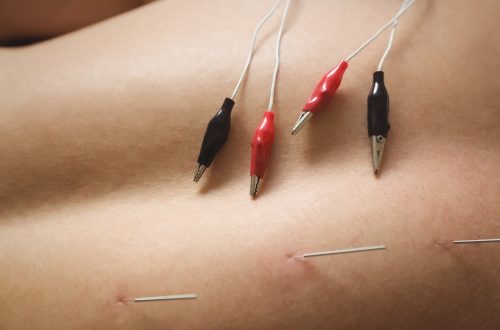
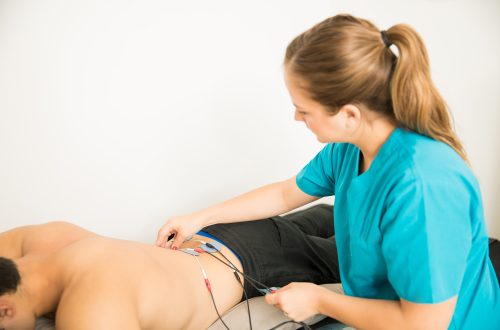
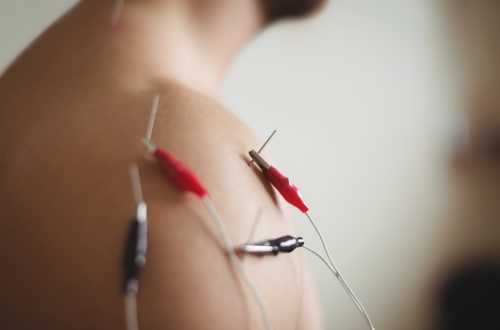
Dry needling involves inserting fine, sterile needles into trigger points tight bands of muscle fibers to release tension and reduce pain. This process causes microtrauma to the muscle tissue, stimulating a natural healing response.
After a session, your muscles may feel:
- Sore or tender (like post-workout soreness)
- Slightly tight or fatigued
- Occasionally bruised or heavy
This is a normal part of the healing process, as your body works to flush out toxins, improve circulation, and repair the affected tissue. The soreness typically subsides within 24–48 hours.
If you’re curious about what happens during this process, you can read our article on Does Dry Needling Really Work, where we explain how this therapy targets pain and muscle dysfunction effectively.
Can You Exercise After Dry Needling?
The general rule is to avoid intense exercise for 24 hours after dry needling, especially in the treated area. This allows your muscles to recover and prevents additional stress on the tissue.
However, light physical activity such as walking, gentle stretching, or mobility exercises can help enhance circulation and speed up healing.
If you push too hard immediately after your session, it can:
- Prolong soreness
- Increase inflammation
- Reduce the effectiveness of the treatment
Your physiotherapist may recommend gentle stretches or low-impact exercises to maintain mobility without straining the treated muscles.
For example, if your neck or shoulder was treated, you can perform mild trigger point release exercises learn how in our detailed post on How to Release Trigger Points in Neck.
When Can You Return to Your Regular Workout?
Most people can return to their normal workout routine within 24 to 48 hours, depending on:
- The intensity of your treatment
- The size and sensitivity of the treated area
- Your body’s natural recovery ability
If the soreness is mild and you feel comfortable, you can start with low-intensity exercises like yoga, light cardio, or bodyweight movements. Gradually increase the intensity as your muscles adapt.
For instance, if you had dry needling on your lower back, start with gentle stretching before moving into full workouts. You can explore our guide on How to Get Rid of Back Pain to learn safe and effective exercises that complement your recovery.
Post-Dry Needling Tips for Faster Recovery
To make the most of your treatment and safely return to workouts, follow these essential aftercare tips:
1. Stay Hydrated
Dry needling helps flush out toxins from your muscles. Drink plenty of water to help your body eliminate these waste products and reduce soreness.
2. Apply Heat
Use a warm compress on the treated area to soothe muscle tension and promote blood circulation.
3. Gentle Stretching
After 12–24 hours, light stretching helps maintain mobility and prevent stiffness. Avoid deep or aggressive stretching right after treatment.
4. Avoid Alcohol and Caffeine
These can dehydrate your body and delay recovery, so it’s best to avoid them for at least a day after your session.
5. Listen to Your Body
If you feel sore or tired, skip your intense workout and rest. Overexerting your muscles too soon can slow down your progress.
When to Avoid Exercise After Dry Needling
While mild activity is usually fine, avoid workouts if you experience:
- Significant pain or bruising in the treated area
- Dizziness or nausea after the session
- Persistent fatigue or discomfort
In such cases, it’s best to wait 48–72 hours before resuming exercise. Consult your physiotherapist if the symptoms persist—they may need to adjust your treatment approach.
You can also check our article on What Not to Do After Dry Needling for more detailed post-treatment guidelines.
Combining Dry Needling with Physiotherapy for Better Results
Dry needling works best when combined with manual therapy, stretching, and strengthening exercises. Your physiotherapist may recommend:
- Trigger point release therapy
- Chiropractic adjustments
- Sports massage
- Rehabilitation exercises
These help improve muscle balance, flexibility, and joint function, reducing the chance of future pain or injury.
You can also read our blog on What Is Trigger Point Release to understand how it complements dry needling in muscle recovery.
Conclusion
So, can you work out after dry needling?
Yes, but with caution. Avoid intense workouts for at least 24 hours, focus on light movement, and listen to your body’s signals. Once the soreness subsides, you can resume your regular exercise routine with better mobility and reduced pain.
Dry needling is a powerful tool for muscle recovery and pain relief but combining it with proper aftercare and physiotherapy guidance ensures long-term benefits.