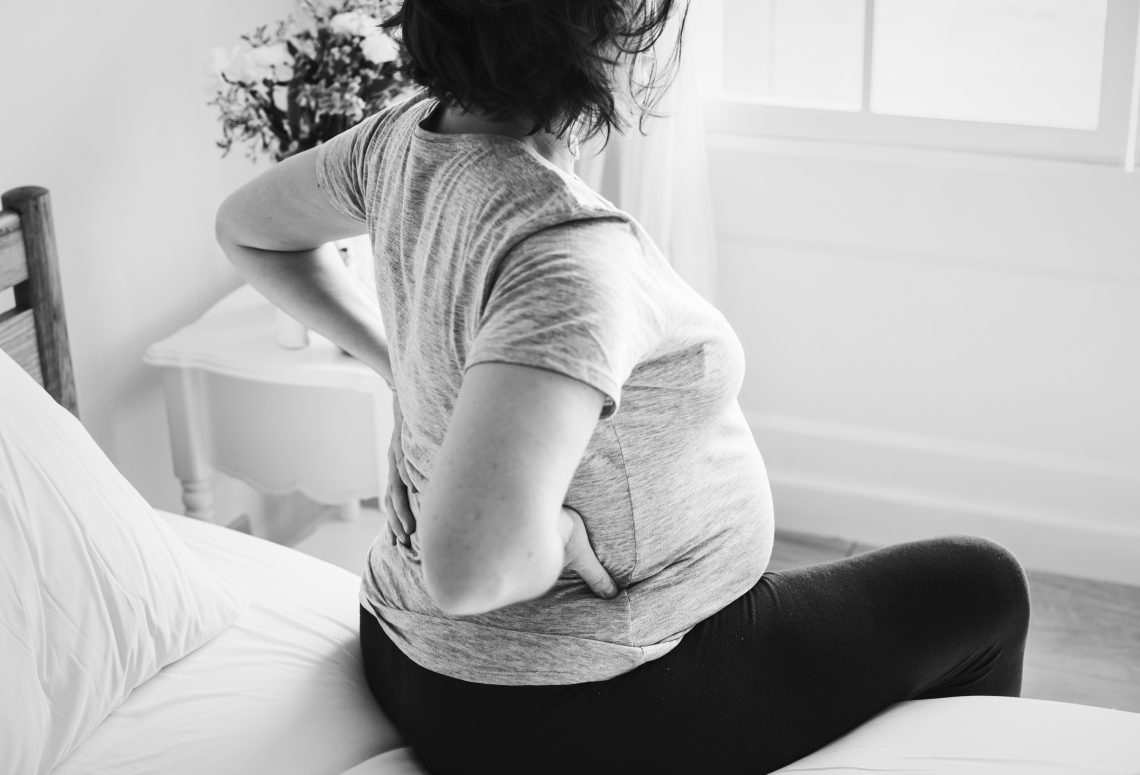
Back pain after delivery is common and can make everyday activities such as feeding your baby, lifting, walking, sleeping, and getting out of bed more difficult. Pregnancy and childbirth place significant stress on the lower back, abdominal muscles, pelvis, and surrounding joints. After delivery, the body also needs time to recover while new mothers adjust to physically demanding routines.
The good news is that simple habits, proper posture, gentle movement, and gradual strengthening can help reduce the risk of postpartum back pain. Understanding how to protect your back during daily activities can also support a smoother recovery.
Why Does Back Pain Occur After Delivery?
Several physical changes can contribute to back pain after childbirth. During pregnancy, hormonal changes loosen the ligaments around the pelvis and joints to prepare the body for delivery. At the same time, the growing baby shifts the body’s centre of gravity, often increasing the curve of the lower back.
After delivery, weakened abdominal and pelvic muscles may provide less support to the spine. Spending long periods sitting while breastfeeding, bending over the baby, lifting the baby repeatedly, and getting inadequate rest can further increase strain on the back.
Previous back problems, reduced physical activity during pregnancy, and poor posture can also contribute to postpartum discomfort.
1. Maintain Good Posture While Feeding
Feeding your baby can involve spending several hours in the same position every day. Slouching or bending forward for long periods can place additional pressure on your neck, shoulders, and lower back.
Sit in a supportive chair or use cushions behind your lower back. Bring the baby toward you rather than leaning forward toward the baby. Keep both feet comfortably supported and change positions regularly.
If you are breastfeeding, a nursing pillow can help bring your baby to a comfortable height and reduce the need to bend forward.
If you already experience discomfort while sitting or feeding, learning how to relieve back pain can provide additional guidance on managing everyday back discomfort.
2. Strengthen Your Core Gradually
The abdominal muscles can become stretched and weakened during pregnancy. These muscles work together with the back and pelvic muscles to support the spine.
Once your healthcare professional confirms that you can safely exercise, begin with gentle movements and gradually progress to strengthening exercises. Depending on your recovery, activities may include pelvic tilts, gentle walking, breathing exercises, and appropriately prescribed core exercises.
Avoid rushing into intense workouts immediately after delivery. Your body needs time to recover, and exercise should be increased gradually.
A physiotherapist can assess your posture, muscle strength, movement patterns, and recovery and recommend exercises suitable for your individual needs.
3. Use Proper Technique When Lifting Your Baby
New mothers lift and carry their babies many times throughout the day. Repeatedly bending from the waist can put unnecessary stress on the lower back.
When picking up your baby:
- Bend your knees instead of bending only from your waist.
- Keep your back as straight as comfortably possible.
- Hold your baby close to your body.
- Use your legs to help lift rather than relying entirely on your lower back.
- Avoid twisting while lifting.
These small changes can significantly reduce unnecessary strain during repetitive daily activities.
4. Avoid Staying in One Position for Too Long
Whether you are feeding your baby, working, resting, or using your phone, remaining in one position for a long time can increase stiffness and discomfort.
Try changing your position regularly. Take short walks around the house when comfortable and perform gentle mobility exercises recommended by your healthcare professional.
If you already have persistent lower-back discomfort, you may also find it useful to learn how to sleep with lower back pain, particularly when finding a comfortable postpartum sleeping position.
5. Choose a Comfortable Sleeping Position
Sleep can be difficult after childbirth because of feeding schedules and baby care. However, the position in which you rest can also influence back discomfort.
If you are comfortable sleeping on your side, placing a pillow between your knees can help support your pelvis and keep your spine in a more neutral position. A supportive pillow under your head can also help maintain comfortable alignment.
When getting out of bed, avoid suddenly twisting your torso. Roll onto your side first, use your arms for support, and then move your legs off the bed.
6. Start Walking When Appropriate
Walking is one of the simplest ways to gradually return to physical activity after delivery. Gentle walking can help improve mobility, circulation, and general physical conditioning.
Start slowly and increase the duration according to your comfort and medical advice. Avoid pushing through significant pain or fatigue.
If back discomfort continues during walking or daily activities, understanding how to reduce back pain can help you identify additional strategies for managing discomfort.
7. Be Careful With Household Activities
After delivery, new mothers may quickly return to household chores while caring for their baby. Activities such as sweeping, washing clothes, lifting buckets, repeatedly bending down, or carrying heavy objects can place additional stress on the back.
Whenever possible, divide physically demanding tasks into smaller activities. Ask for help with heavy lifting and avoid carrying unnecessarily heavy objects during your recovery.
When picking something up from the floor, bend your knees and keep the object close to your body instead of bending forward from the waist.
8. Maintain a Healthy Recovery Routine
Your body needs adequate nutrition, hydration, sleep, and rest to recover after childbirth. Although getting uninterrupted sleep may not always be possible with a newborn, try to rest whenever practical.
Do not ignore persistent pain simply because back discomfort is common after pregnancy. If pain continues, becomes severe, affects your movement, or interferes with daily activities, consult a healthcare professional or physiotherapist.
For women who experienced significant physical changes during pregnancy, a personalised postpartum rehabilitation programme may help address muscle weakness, posture problems, mobility limitations, and movement-related discomfort.
When Should You Seek Professional Help?
Mild back discomfort may improve gradually as the body recovers. However, professional assessment is recommended if back pain is severe, persistent, worsening, or associated with symptoms such as numbness, weakness, difficulty walking, loss of bladder or bowel control, fever, or unexplained pain.
A physiotherapist can assess the underlying factors contributing to your discomfort and develop a safe recovery programme based on your postpartum stage and individual needs.
Final Thoughts
Knowing how to prevent back pain after delivery starts with protecting your posture, avoiding unnecessary strain, strengthening your muscles gradually, and giving your body enough time to recover. Simple changes such as using proper feeding positions, lifting your baby correctly, taking gentle walks, and avoiding prolonged static positions can make everyday activities more comfortable.
If postpartum back pain continues despite these measures, professional physiotherapy assessment can help identify the cause and guide you toward appropriate treatment and rehabilitation.