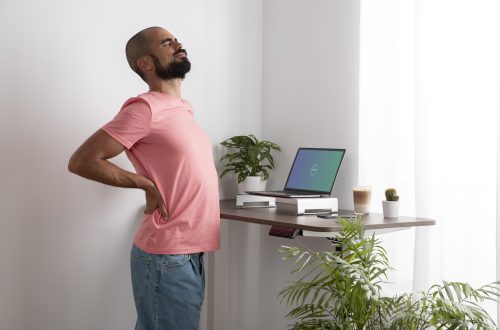

Back pain is one of the most common health problems affecting people of all ages. Whether it’s caused by poor posture, prolonged sitting, muscle strain, or an underlying spinal condition, back pain can interfere with work, sleep, and daily activities. The good news is that most cases of back pain can be managed with simple lifestyle changes, home remedies, and targeted exercises.
If you’re wondering how to reduce back pain, this guide explains the most effective ways to relieve discomfort, improve mobility, and prevent future episodes.
What Causes Back Pain?
Before treating back pain, it’s important to understand what might be causing it. Common causes include:
- Poor posture while sitting or standing
- Muscle or ligament strain
- Heavy lifting with improper technique
- Herniated or prolapsed disc
- Sciatica
- Arthritis affecting the spine
- Lack of physical activity
- Obesity
- Stress and muscle tension
Identifying the underlying cause helps you choose the right treatment and avoid making the condition worse.
1. Stay Active Instead of Resting Too Long
Many people believe complete bed rest is the best treatment for back pain. However, prolonged inactivity can actually increase stiffness and delay recovery.
Gentle movement improves blood circulation, reduces muscle tightness, and promotes healing.
Activities that are usually safe include:
- Walking
- Swimming
- Gentle stretching
- Yoga
- Low-impact cycling
If your pain is caused by nerve irritation, you may also find our guide on how to get relief from sciatica back pain helpful, as sciatica often causes lower back discomfort that radiates into the legs.
2. Improve Your Posture
Poor posture is one of the biggest contributors to chronic back pain.
Whether you’re working on a computer or using your phone, slouching places excessive pressure on your spine.
Maintain proper posture by:
- Sitting with your back fully supported
- Keeping both feet flat on the floor
- Positioning your computer screen at eye level
- Avoiding crossing your legs
- Standing up every 30–60 minutes
Small posture improvements can significantly reduce stress on your back muscles and spinal joints.
3. Apply Heat or Cold Therapy
Heat and cold therapy are among the easiest home remedies for back pain.
Cold Therapy
Cold packs help reduce inflammation and numb pain, especially during the first 48 hours after an injury.
Apply an ice pack for 15–20 minutes every few hours.
Heat Therapy
After the initial inflammation subsides, heat therapy helps relax muscles and improve blood circulation.
You can use:
- Heating pads
- Warm towels
- Hot water bottles
- Warm showers
Heat is particularly useful for muscle stiffness and chronic back pain.
4. Stretch Regularly
Stretching keeps your muscles flexible and reduces pressure on your spine.
Some of the best stretches include:
- Knee-to-chest stretch
- Cat-Cow stretch
- Child’s Pose
- Pelvic tilt
- Hamstring stretch
Perform each stretch slowly without bouncing.
If stretching doesn’t improve your symptoms, you may want to read what causes a prolapsed disc, as disc problems can also lead to persistent back pain.
5. Strengthen Your Core Muscles
Your abdominal and back muscles support your spine.
Weak core muscles force your back to work harder, increasing the risk of pain.
Simple exercises include:
- Planks
- Bird Dog
- Bridges
- Side Planks
- Dead Bug Exercise
Start slowly and increase intensity gradually.
6. Maintain a Healthy Weight
Extra body weight puts additional pressure on the spine, especially the lower back.
Losing excess weight reduces stress on spinal joints and helps decrease inflammation.
A balanced diet rich in:
- Fruits
- Vegetables
- Lean proteins
- Whole grains
- Healthy fats
can also support muscle and bone health.
7. Lift Objects Correctly
Incorrect lifting techniques are a common cause of sudden back injuries.
Always:
- Bend your knees instead of your waist.
- Keep the object close to your body.
- Tighten your core muscles.
- Lift using your legs.
- Avoid twisting while lifting.
These simple habits can prevent muscle strains and spinal injuries.
8. Improve Your Sleeping Position
Your sleeping posture affects spinal alignment throughout the night.
Best sleeping positions:
- On your back with a pillow under your knees.
- On your side with a pillow between your knees.
Avoid sleeping on your stomach, as it places excessive strain on the neck and lower back.
If back pain is affecting your sleep, our article on how to sleep with lower back pain provides practical tips for sleeping comfortably.
9. Reduce Stress
Stress doesn’t only affect your mental health it also causes muscle tension, especially around the shoulders, neck, and back.
Try stress-reducing activities such as:
- Meditation
- Deep breathing
- Yoga
- Walking outdoors
- Listening to relaxing music
If you frequently experience neck stiffness along with back pain, you may also benefit from reading can stress cause neck pain, which explains how emotional stress contributes to muscle tension.
10. Know When to Seek Medical Help
While most back pain improves within a few weeks, consult a healthcare professional if you experience:
- Pain lasting longer than six weeks
- Severe pain after an accident
- Numbness or weakness in your legs
- Loss of bladder or bowel control
- Fever with back pain
- Unexplained weight loss
These symptoms could indicate a more serious medical condition that requires immediate evaluation.
Can Physiotherapy Help Reduce Back Pain?
Yes. Physiotherapy is one of the most effective non-surgical treatments for back pain.
A physiotherapist can:
- Identify the root cause of pain
- Improve posture
- Reduce muscle tightness
- Strengthen weak muscles
- Increase flexibility
- Prevent recurring episodes
Early physiotherapy often speeds recovery and reduces the need for pain medications.
Tips to Prevent Back Pain
Preventing back pain is easier than treating it. Here are a few habits to adopt:
- Exercise regularly.
- Stretch daily.
- Maintain good posture.
- Avoid prolonged sitting.
- Lift objects safely.
- Sleep on a supportive mattress.
- Stay physically active.
- Maintain a healthy weight.
- Manage stress effectively.
Consistency with these habits can greatly reduce your risk of future back problems.
Conclusion
Knowing how to reduce back pain starts with identifying its cause and adopting healthy daily habits. Staying active, improving posture, strengthening your core, managing stress, and using heat or cold therapy can all help relieve discomfort naturally. While most cases improve with self-care, persistent or severe back pain should always be evaluated by a healthcare professional.
If your symptoms continue or worsen, seeking early physiotherapy can help you recover faster, improve mobility, and prevent long-term complications.