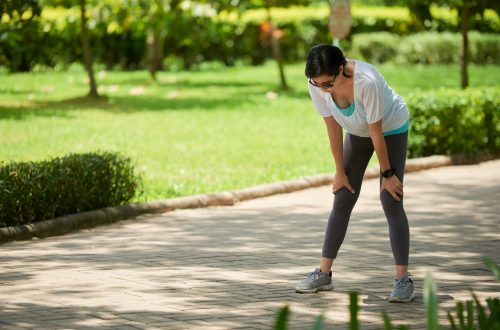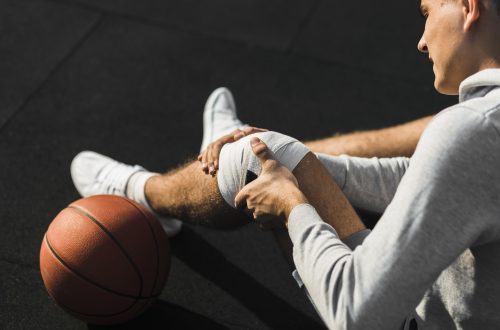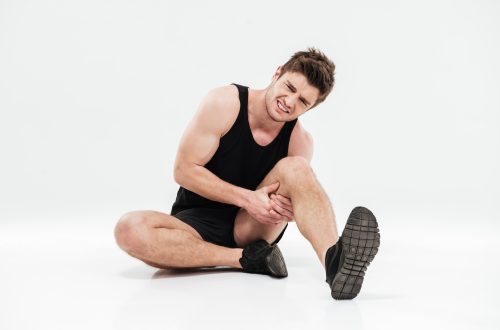
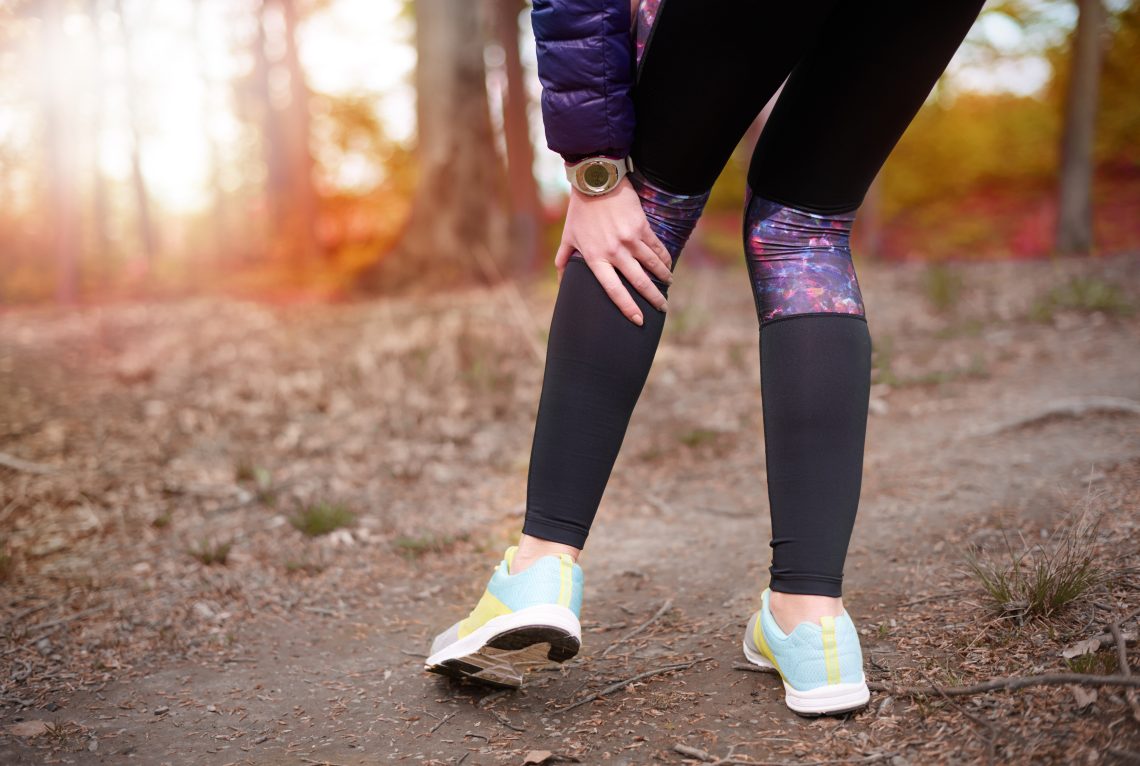
Knee pain is a common issue that affects people of all ages from athletes to older adults. Whether it’s caused by injury, arthritis, overuse, or poor posture, knee pain can make simple activities like walking, climbing stairs, or even standing uncomfortable.
The good news is that there are several effective ways to reduce knee pain naturally and improve mobility. In this guide, we’ll explore practical remedies, exercises, and lifestyle changes to help you find relief.
Common Causes of Knee Pain
Before learning how to reduce knee pain, it’s important to understand what might be causing it. Some common reasons include:
- Arthritis (osteoarthritis or rheumatoid arthritis)
- Ligament injuries such as ACL tears
- Tendonitis from overuse
- Muscle weakness or imbalance
- Obesity, which increases pressure on the knee joint
If your knee pain is persistent or severe, identifying the root cause is essential for proper treatment.
1. Rest and Avoid Overuse
One of the simplest ways to reduce knee pain is to give your joint proper rest. Avoid activities that put excessive strain on your knees, such as running or jumping.
However, complete inactivity isn’t ideal either. Gentle movement helps maintain flexibility and prevents stiffness.
2. Apply Ice and Heat Therapy
Using ice and heat therapy can provide quick relief:
- Ice packs reduce inflammation and swelling, especially after activity or injury
- Heat therapy relaxes muscles and improves blood circulation
Apply ice for 15–20 minutes during the first 48 hours of pain, then switch to heat if stiffness persists.
3. Strengthen Supporting Muscles
Weak muscles around the knee can increase stress on the joint. Strengthening exercises help stabilize the knee and reduce pain.
Focus on:
- Quadriceps (front thigh muscles)
- Hamstrings (back thigh muscles)
- Calf muscles
Simple exercises like leg raises, squats (light), and step-ups can be very effective.
If your pain is related to joint degeneration, you can also explore how to reduce knee joint pain for targeted strengthening techniques.
4. Maintain a Healthy Weight
Excess weight puts additional pressure on your knees. In fact, every extra kilogram of body weight adds several kilograms of stress to your knee joints during movement.
Losing weight even a small amount can significantly reduce knee pain and improve mobility.
5. Improve Your Posture
Poor posture can affect how your body distributes weight, leading to unnecessary strain on your knees.
Make sure to:
- Sit with your back straight
- Avoid locking your knees while standing
- Use proper alignment when walking or exercising
Postural correction not only helps your knees but also prevents related issues like back pain.
6. Try Low-Impact Exercises
Staying active is crucial, but high-impact activities can worsen knee pain. Instead, choose low-impact exercises such as:
- Swimming
- Cycling
- Walking on flat surfaces
- Yoga
If you’re unsure about the right activities, you may find it helpful to read is cycling good for knee joint pain to understand how certain exercises benefit your knees.
7. Use Knee Support or Braces
Knee braces or supports can help stabilize the joint and reduce strain during movement. They are especially useful for people with ligament injuries or arthritis.
However, braces should not replace strengthening exercises they should be used as a supportive tool.
8. Try Natural Remedies
Some natural remedies may help reduce inflammation and pain:
- Turmeric (anti-inflammatory properties)
- Ginger (reduces swelling)
- Omega-3 fatty acids (found in fish and nuts)
These remedies support overall joint health and may complement other treatments.
9. Massage and Physiotherapy
Massage therapy can relax tight muscles and improve blood flow around the knee joint.
Physiotherapy, on the other hand, focuses on:
- Correcting movement patterns
- Strengthening muscles
- Improving flexibility
If your pain is persistent, professional guidance can speed up recovery and prevent future issues.
10. Avoid Activities That Trigger Pain
Pay attention to activities that worsen your knee pain and try to modify or avoid them.
For example:
- Avoid sitting for long periods with bent knees
- Use proper footwear for support
- Avoid sudden twisting movements
If your pain is due to injury, you can also check how to get rid of knee pain for additional recovery tips.
11. When to See a Doctor
While home remedies can be effective, you should seek medical attention if:
- Pain lasts for more than a few weeks
- There is severe swelling or redness
- You cannot bear weight on your knee
- The knee feels unstable or “gives way”
In such cases, imaging tests or specialized treatment may be required.
Preventing Future Knee Pain
Prevention is always better than cure. To keep your knees healthy:
- Exercise regularly
- Maintain a healthy weight
- Stretch before and after workouts
- Wear supportive footwear
- Avoid overtraining
You can also explore how to prevent acl injury if you’re physically active or involved in sports.
Final Thoughts
Knee pain can be frustrating, but with the right approach, it is manageable. By combining rest, exercise, weight management, and proper care, you can significantly reduce pain and improve your quality of life.
Consistency is key small daily habits can make a big difference over time. If your symptoms persist, don’t hesitate to consult a healthcare professional for personalized guidance.