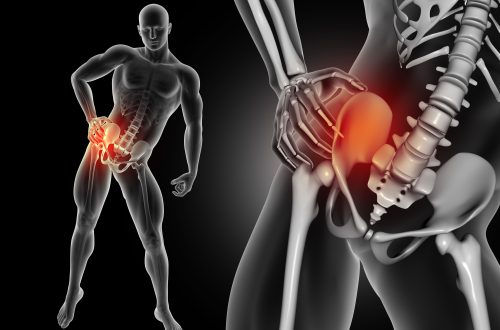
Sciatica pain can be frustrating and sometimes debilitating. It often starts in the lower back and radiates down through the hips, buttocks, and legs due to irritation of the sciatic nerve. Many people look for natural and long-term solutions to manage this pain, and one of the most recommended options is yoga.
But the question is “is yoga good for sciatica pain?”
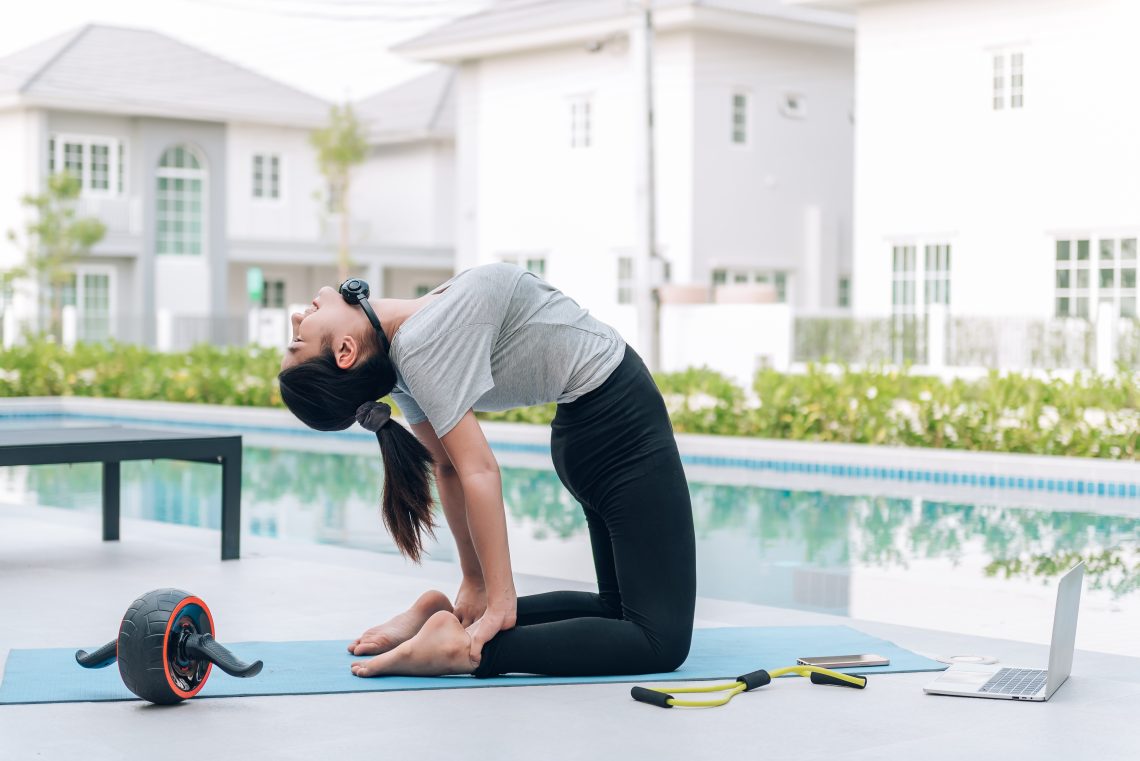
The short answer is yes. Yoga can be highly effective in reducing sciatica pain when practiced correctly. It helps improve flexibility, strengthen muscles, and reduce pressure on the sciatic nerve. Let’s explore how yoga works and how it can help you manage sciatica pain naturally.
How Yoga Helps Sciatica Pain
Yoga is not just about stretching it combines movement, breathing, and relaxation techniques that directly impact your muscles and nervous system.
1. Reduces Muscle Tension
Sciatica is often caused by tight muscles, especially in the lower back and hips. Yoga helps loosen these muscles and reduces pressure on the sciatic nerve.
If your sciatica is linked to muscle tightness, you may also find relief techniques in how to relieve sciatica pain naturally, which complements yoga practices.
2. Improves Flexibility and Mobility
Stiff muscles and joints can worsen nerve compression. Yoga stretches improve flexibility in the spine, hips, and hamstrings, allowing better movement and reduced discomfort.
3. Strengthens Core and Back Muscles
Weak core muscles can lead to poor posture and spinal misalignment both common causes of sciatica. Yoga strengthens the core and stabilizes the spine, preventing future flare-ups.
You can combine yoga with strategies from how to get relief from sciatica back pain for even better results.
4. Improves Posture
Poor posture is a major contributor to sciatica pain. Yoga teaches body awareness and alignment, helping you sit and stand correctly throughout the day.
5. Reduces Stress and Inflammation
Stress can worsen pain perception and muscle tightness. Yoga includes breathing and relaxation techniques that calm the nervous system and reduce inflammation.
If stress is a trigger for your pain, you may also want to explore can stress cause neck pain, as similar tension patterns affect the lower back.
Best Yoga Poses for Sciatica Pain
Here are some gentle yoga poses that can help relieve sciatica pain:
1. Child’s Pose (Balasana)
This pose gently stretches the lower back and relaxes the spine.
2. Pigeon Pose
One of the most effective poses for sciatica, it stretches the piriformis muscle, which often compresses the sciatic nerve.
3. Cat-Cow Stretch
This improves spinal flexibility and relieves tension in the back.
4. Downward Dog
Helps stretch the hamstrings and spine, reducing pressure on the sciatic nerve.
5. Knee-to-Chest Stretch
This simple pose relaxes the lower back and reduces nerve compression.
Tips to Practice Yoga Safely with Sciatica
While yoga is beneficial, doing it incorrectly can worsen your condition. Follow these tips:
- Start with gentle stretches, not advanced poses
- Avoid sudden or jerky movements
- Listen to your body stop if you feel sharp pain
- Practice under guidance if your pain is severe
- Combine yoga with physiotherapy if needed
If your condition is more intense, you can also explore how to cure sciatica pain for a broader recovery approach.
When Yoga May Not Be Enough
Yoga works best for mild to moderate sciatica. However, if your pain is caused by:
- Herniated disc
- Severe nerve compression
- Spinal stenosis
You may need medical treatment along with exercise.
If your symptoms persist, consult a physiotherapist or doctor for proper diagnosis and treatment.
Benefits of Doing Yoga Regularly
Practicing yoga consistently offers long-term benefits such as:
- Reduced pain intensity
- Improved flexibility
- Better posture
- Stronger muscles
- Lower stress levels
- Prevention of future sciatica episodes
Over time, yoga not only relieves symptoms but also addresses the root cause of sciatica.
Final Thoughts
So, is yoga good for sciatica pain? Absolutely. Yoga is one of the safest and most effective natural ways to manage sciatica pain. It helps reduce muscle tension, improve flexibility, strengthen the spine, and promote overall well-being.
However, consistency is key. Practicing the right poses regularly, along with maintaining a healthy lifestyle, can make a significant difference in your recovery journey.
If you’re dealing with sciatica pain, starting a gentle yoga routine today could be the first step toward lasting relief.