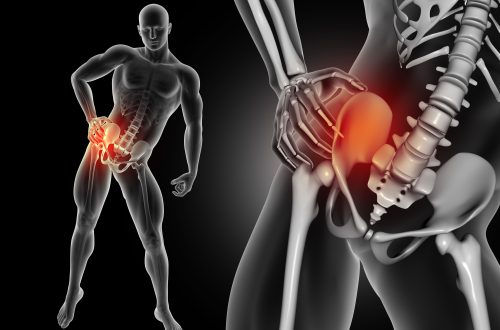

Sciatica pain can make everyday activities such as walking, sitting, sleeping, or bending uncomfortable. It usually occurs when the sciatic nerve is irritated or compressed, causing pain that may travel from the lower back through the buttock and down the leg. Depending on the underlying cause, symptoms can range from mild discomfort to sharp, burning, or shooting pain.
If you are wondering how to reduce sciatica pain, a combination of appropriate movement, posture correction, gentle exercises, and professional guidance can often help manage symptoms and improve mobility.
What Causes Sciatica Pain?
Sciatica is not a condition by itself but a symptom of irritation or compression of the sciatic nerve. Several conditions can contribute to it, including a herniated or prolapsed disc, spinal narrowing, bone spurs, or certain injuries.
Some people may experience sciatica after prolonged sitting, poor posture, repetitive movements, or activities that place excessive stress on the lower back.
Understanding the underlying cause is important because treatment can vary from person to person. You can also learn more about what causes sciatica pain to understand some of the common factors associated with sciatic nerve irritation.
How to Reduce Sciatica Pain at Home
1. Keep Moving Gently
Complete bed rest is generally not helpful for most people with sciatica. Staying in one position for too long can increase stiffness and make movement more difficult.
Try gentle activities such as short walks, changing positions regularly, and light mobility exercises. Avoid movements that significantly increase your pain.
If walking feels comfortable, it can be a useful low-impact activity. For more information, read is walking good for sciatica pain.
2. Use Heat or Cold Therapy
Heat and cold therapy may provide temporary relief from discomfort.
A cold pack can be useful during periods of acute pain, while a warm compress may help relax tight muscles and reduce stiffness. Always wrap ice or heat packs in a towel and avoid applying them directly to the skin.
Use whichever option feels more comfortable and avoid prolonged application.
3. Improve Your Sitting Posture
Poor sitting posture can place additional stress on the lower back. If you spend several hours sitting at work, keep your feet supported, maintain a neutral spine, and avoid slouching.
Try not to remain seated for long periods. Stand up, walk around, or gently move your body every 30–60 minutes.
When driving, adjust your seat so that your lower back is supported and your hips and knees remain in a comfortable position.
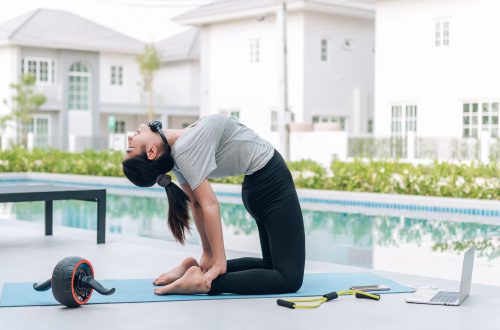
4. Try Gentle Stretching and Exercises
Specific exercises can help improve flexibility, strengthen supporting muscles, and improve movement. However, the right exercises depend on the cause and severity of your symptoms.
Gentle stretches for the lower back, hips, hamstrings, and gluteal muscles may be useful for some people. Strengthening the core and hip muscles can also help provide better support for the spine.
Exercises should not cause severe or increasing pain. If a particular movement makes your symptoms worse, stop and consult a physiotherapist.
If you experience symptoms extending into the leg, you can also read about how to relieve sciatica pain at home for additional guidance.
How to Sleep With Sciatica Pain
Finding a comfortable sleeping position can be difficult when you have sciatica. Some people find sleeping on their side with a pillow between their knees more comfortable. Others may prefer sleeping on their back with a pillow underneath their knees.
Your mattress and pillow should provide adequate support without forcing your spine into an uncomfortable position.
Avoid sleeping in positions that consistently increase your pain or cause numbness and tingling.
Avoid Activities That Make Symptoms Worse
While staying active is generally encouraged, you should temporarily modify activities that aggravate your symptoms.
Avoid heavy lifting, sudden twisting, repetitive bending, or high-impact exercise if these movements increase your pain.
When lifting an object, bend through your hips and knees rather than repeatedly rounding your lower back. Keep the object close to your body and avoid twisting while carrying it.
Can Physiotherapy Help With Sciatica?
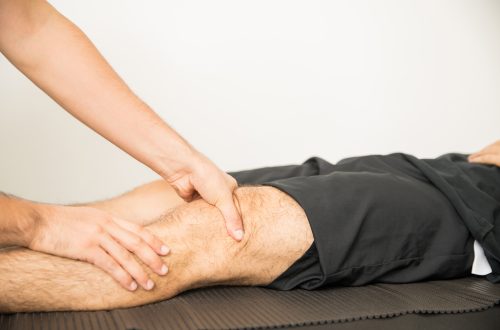
Physiotherapy can play an important role in managing sciatica. A physiotherapist can assess your posture, movement, muscle strength, flexibility, and symptoms to help identify appropriate treatment strategies.
Depending on your condition, treatment may include therapeutic exercises, mobility work, manual therapy, posture education, and activity modification.
The goal is not simply to reduce pain but also to improve movement, strength, and function so that you can gradually return to your normal activities.
When Should You See a Doctor or Physiotherapist?
Mild sciatica may improve with appropriate self-care, but persistent or worsening symptoms should be evaluated by a healthcare professional.
Seek medical attention if your pain is severe, continues to worsen, repeatedly returns, or significantly interferes with walking, sleeping, or daily activities.
You should seek urgent medical care if sciatica is accompanied by new loss of bladder or bowel control, numbness around the groin or saddle area, or significant weakness in the legs.
Final Thoughts
Knowing how to reduce sciatica pain starts with understanding what may be contributing to your symptoms. Gentle movement, good posture, appropriate exercises, heat or cold therapy, and avoiding aggravating activities may help manage discomfort.
However, there is no single approach that works for everyone. If your symptoms persist or interfere with your daily life, professional assessment can help determine the appropriate treatment plan and exercises for your condition.