Osteopathy has become increasingly popular as a natural, hands-on approach to treating pain and improving overall body function. But one question many people still ask is: Is osteopathy effective?
The answer depends on the condition being treated, the individual’s body, and how consistently treatment is followed. In many cases, osteopathy has proven to be highly effective for managing musculoskeletal issues, improving mobility, and enhancing overall well-being.
In this article, we’ll explore how osteopathy works, its effectiveness, benefits, and when you should consider it as a treatment option.
What Is Osteopathy?
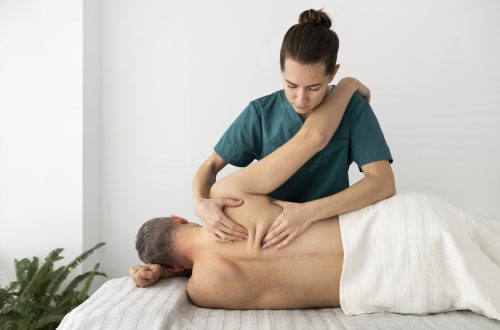
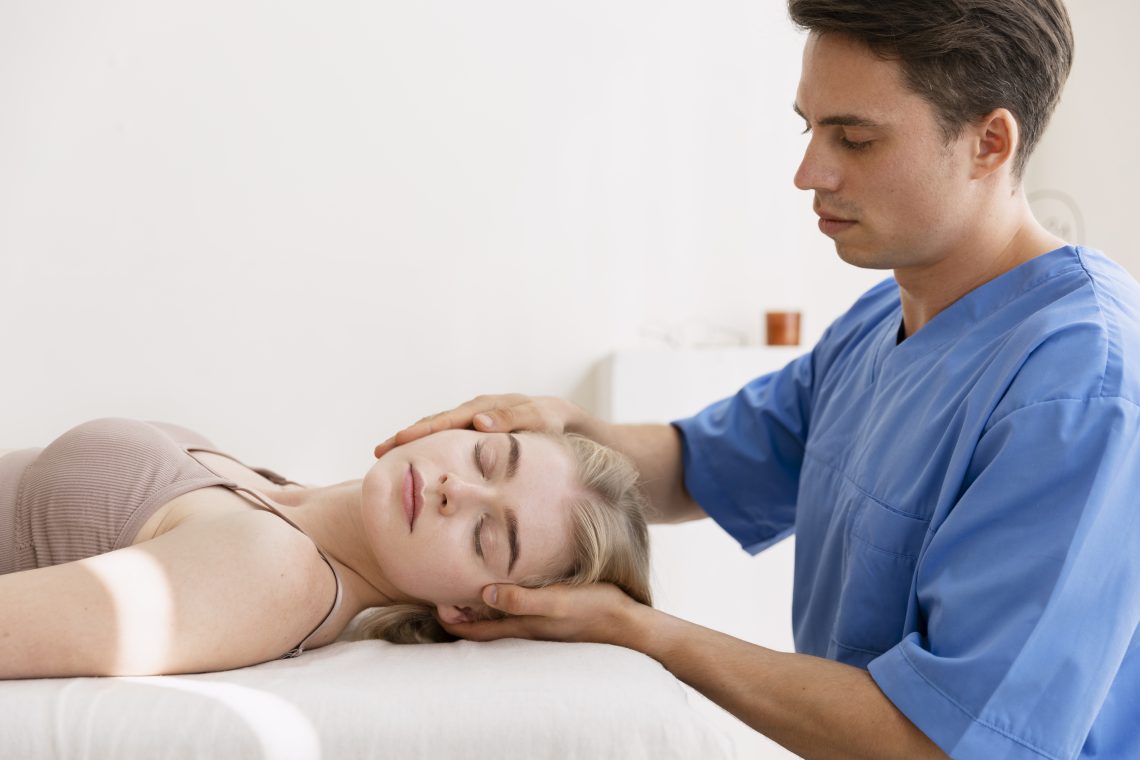
Osteopathy is a form of manual therapy that focuses on the body’s structure and function. It involves hands-on techniques such as stretching, massage, and joint manipulation to improve circulation, reduce pain, and restore balance in the body.
Unlike treatments that focus only on symptoms, osteopathy takes a holistic approach, treating the root cause of the problem rather than just the pain.
How Does Osteopathy Work?
Osteopathy works by improving the alignment of the musculoskeletal system, which includes bones, muscles, ligaments, and joints. When these structures are not functioning properly, they can lead to pain, stiffness, and reduced mobility.
Osteopaths use techniques to:
- Release muscle tension
- Improve joint mobility
- Enhance blood flow
- Reduce inflammation
- Support the body’s natural healing process
This is why osteopathy is often recommended for conditions like back pain, neck pain, and sports injuries.
Is Osteopathy Effective for Pain Relief?
1. Back Pain and Posture Issues
Osteopathy is widely considered effective for treating back pain. By correcting posture, reducing muscle tension, and improving spinal alignment, it can provide long-term relief.
👉 If you’re dealing with posture-related discomfort, you can also explore does osteopathy work for back pain, which explains how spinal adjustments help reduce pain.
2. Neck Pain and Tension
Neck pain is often caused by stress, poor posture, or long hours of screen use. Osteopathic techniques help release tight muscles and restore movement in the cervical spine.
👉 For additional tips, read how to cure neck pain fast at home and understand how daily habits contribute to neck stiffness.
3. Sciatica and Nerve Pain
Osteopathy can be effective for conditions like sciatica by reducing pressure on nerves and improving mobility in the lower back.
👉 You can also learn more in does osteopathy work for sciatica, where nerve-related pain and treatment approaches are explained in detail.
4. Sports Injuries and Muscle Tension
Athletes and active individuals often use osteopathy to recover from injuries and improve performance. It helps in reducing muscle stiffness and speeding up recovery.
👉 To understand injury prevention better, check how can we prevent sports injuries, which complements osteopathic treatment for long-term health.
What Does Research Say About Osteopathy?
Scientific studies suggest that osteopathy can be effective, particularly for musculoskeletal conditions like lower back pain. Many patients report reduced pain levels, improved mobility, and better quality of life after treatment.
However, effectiveness may vary depending on:
- The severity of the condition
- The patient’s lifestyle
- Consistency of treatment sessions
Osteopathy works best when combined with exercise, posture correction, and healthy habits.
Benefits of Osteopathy
Here are some key benefits that make osteopathy a popular treatment choice:
Drug-Free Treatment
Osteopathy does not rely on medication, making it a natural option for pain relief.
Holistic Approach
It treats the whole body, not just the symptoms.
Improved Mobility
Regular sessions can increase flexibility and range of motion.
Stress Relief
By relaxing muscles and improving circulation, osteopathy also helps reduce stress.
Injury Prevention
It helps identify and correct imbalances before they turn into serious problems.
How Long Does Osteopathy Take to Work?
Many people start noticing improvement after just a few sessions. However, the timeline varies depending on the condition.
👉 For a deeper understanding, read how long does osteopathy take to work, which explains recovery timelines and expectations.
Acute pain may improve quickly, while chronic conditions may require ongoing sessions.
Is Osteopathy Safe?
Osteopathy is generally safe when performed by a qualified practitioner. It is non-invasive and suitable for most people, including elderly individuals and those with chronic pain.
👉 If you have concerns, you can read is osteopathy safe during pregnancy to understand its safety in special conditions.
Some people may experience mild soreness after treatment, but this usually goes away within a day or two.
When Should You Consider Osteopathy?
You should consider osteopathy if you experience:
- Chronic back or neck pain
- Joint stiffness
- Muscle tension
- Sports injuries
- Poor posture
It is also beneficial as a preventive therapy to maintain overall body balance.
Limitations of Osteopathy
While osteopathy is effective for many conditions, it is not a cure-all. It may not be suitable for:
- Severe fractures
- Advanced arthritis
- Certain neurological conditions
In such cases, it should be used alongside medical treatment.
Final Thoughts
So, is osteopathy effective? Yes especially for musculoskeletal issues like back pain, neck pain, and sports injuries. Its holistic, drug-free approach makes it a valuable treatment option for many people.
However, its effectiveness depends on the individual, the condition, and consistency in treatment. When combined with lifestyle changes, exercise, and proper posture, osteopathy can significantly improve your overall health and quality of life.