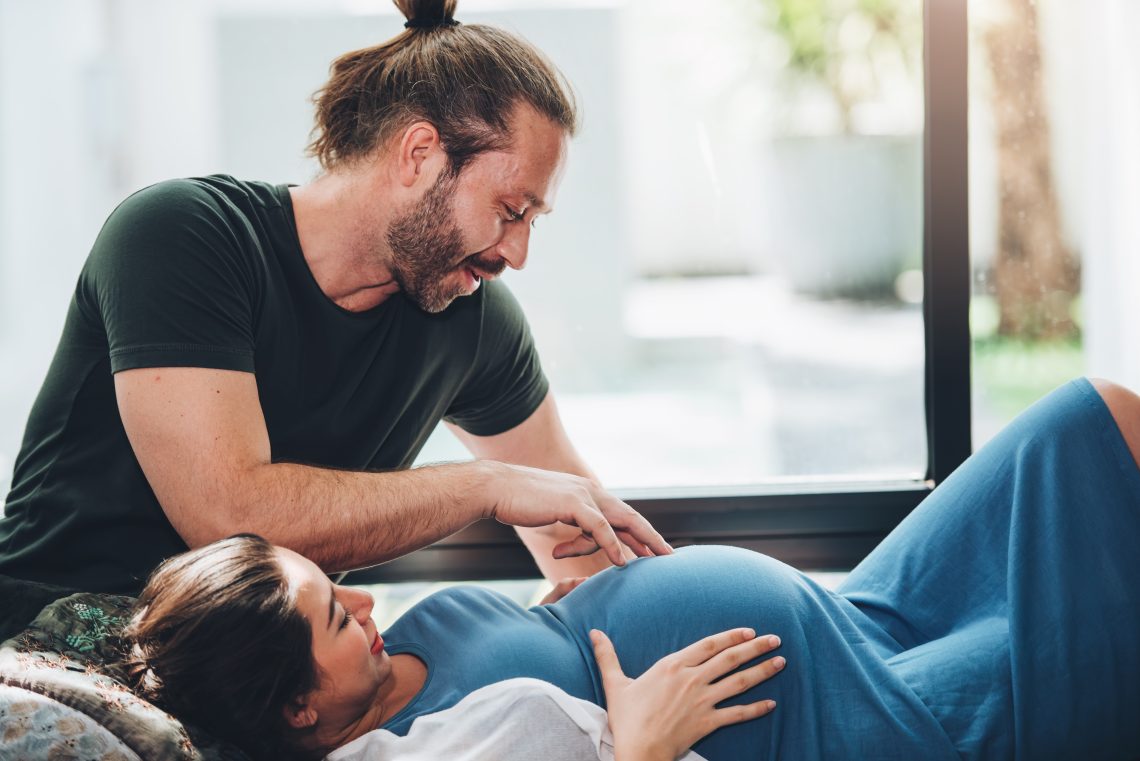
Pregnancy is a beautiful journey, but it often comes with physical discomforts such as back pain, pelvic pain, neck stiffness, and muscle tension. As the body changes to support the growing baby, many women look for safe and natural ways to manage pain without medication. This leads to a common question: Is osteopathy safe during pregnancy?
The short answer is yes, osteopathy is generally safe during pregnancy when performed by a qualified and experienced osteopath. In this article, we’ll explore how osteopathy works during pregnancy, its benefits, safety considerations, and when it should be avoided.
What Is Osteopathy?
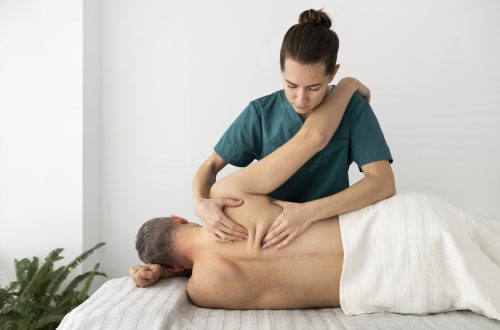
Osteopathy is a hands on, drug-free therapy that focuses on the musculoskeletal system muscles, joints, ligaments, and spine to improve overall body function. Osteopaths use gentle techniques such as stretching, soft tissue massage, and joint mobilization to reduce pain, improve circulation, and support the body’s natural healing process.
Unlike aggressive manipulation, pregnancy osteopathy uses very gentle, modified techniques tailored specifically for expectant mothers.
Is Osteopathy Safe During Pregnancy?
Yes, osteopathy is considered safe during all stages of pregnancy, provided it is delivered by a trained osteopath who has experience treating pregnant women.
Pregnancy specific osteopathic techniques:
- Avoid pressure on the abdomen
- Use side-lying or seated positions instead of lying flat
- Focus on comfort, safety, and gentle movements
- Adapt treatment as pregnancy progresses
Osteopathy does not involve medication, injections, or forceful manipulation, making it a preferred choice for many pregnant women.
Common Pregnancy Issues Osteopathy Can Help With
Pregnancy places extra strain on the body due to weight gain, posture changes, and hormonal effects on joints and ligaments. Osteopathy may help relieve:
- Lower back pain
- Pelvic girdle pain (PGP)
- Hip and sciatica pain
- Neck and shoulder stiffness
- Postural imbalance
- Muscle tension and fatigue
Many women seek osteopathy for back discomfort during pregnancy. You may also find it helpful to read does osteopathy work for back pain, as pregnancy-related back pain often follows similar biomechanical patterns.
How Osteopathy Helps During Pregnancy
Osteopathy supports pregnancy in several ways:
1. Improves Posture and Alignment
As your belly grows, your center of gravity shifts, often leading to poor posture and spinal strain. Osteopathy gently realigns the body to reduce pressure on joints and muscles.
2. Reduces Muscle and Joint Pain
Hormonal changes increase joint laxity, which can cause instability and pain. Osteopaths use soft tissue techniques to support joints without stressing them.
3. Enhances Circulation and Mobility
Gentle manipulation improves blood flow and lymphatic drainage, helping reduce swelling and muscle fatigue.
4. Supports Overall Comfort and Relaxation
Osteopathy can reduce physical stress, which in turn supports emotional well-being during pregnancy.
Is Osteopathy Safe in All Trimesters?
First Trimester
Osteopathy is safe but usually focused on gentle relaxation and addressing early postural changes.
Second Trimester
This is the most common time women seek osteopathic care due to increasing back and pelvic discomfort.
Third Trimester
Treatment is adapted to accommodate the baby’s size and maternal comfort, often using side-lying positions.
When Should Osteopathy Be Avoided During Pregnancy?
Although osteopathy is generally safe, it may not be recommended in certain situations unless cleared by a doctor:
- High-risk pregnancy
- Placenta previa
- Pre-eclampsia
- Severe bleeding or complications
- Recent trauma or fractures
Always inform your osteopath about your pregnancy stage and medical history.
Is Osteopathy Better Than Chiropractic During Pregnancy?
Both therapies can be helpful, but osteopathy is often preferred during pregnancy due to its gentler approach.
If you’re comparing options, you may find it useful to read is chiropractic treatment safe, which explains differences in techniques and safety considerations.
What to Expect During a Pregnancy Osteopathy Session
A typical session includes:
- Detailed medical and pregnancy history
- Gentle assessment of posture and movement
- Soft tissue work and light joint mobilization
- Advice on posture, sleeping positions, and daily movements
You might feel relaxed or slightly tired afterward. If you’re curious about post-treatment fatigue, check why so tired after osteopathy to understand this normal response.
How Long Does Osteopathy Take to Work During Pregnancy?
Many women notice improvement after 1–3 sessions, though results vary depending on the severity of discomfort and stage of pregnancy.
For a deeper understanding of timelines, read how long does osteopathy take to work, which explains recovery expectations in detail.
Can Osteopathy Help After Delivery?
Yes. Osteopathy can also support:
- Postpartum back and pelvic recovery
- Muscle tension from breastfeeding
- Postural correction after pregnancy
Postnatal osteopathy helps the body adapt back to non-pregnant biomechanics safely.
Final Thoughts
So, is osteopathy safe during pregnancy?
Absolutely when performed by a qualified practitioner, osteopathy is a safe, gentle, and effective way to manage pregnancy related pain and discomfort.
It supports your changing body, improves mobility, and enhances overall comfort without medication. As always, consult your healthcare provider before starting treatment, especially if your pregnancy is high risk.
Osteopathy offers a natural path to feeling better during one of the most important phases of your life.