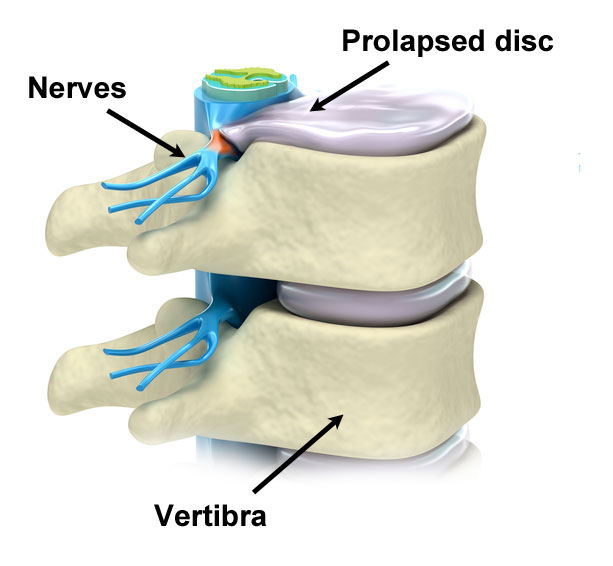

A prolapsed disc can cause back pain, stiffness, numbness, tingling, and sometimes weakness that travels into the legs. Because sunlight and ultraviolet (UV) rays are often associated with vitamin D, some people wonder whether UV exposure can help a prolapsed disc heal.
The short answer is no. UV rays do not directly heal a prolapsed disc. While sunlight can help the body produce vitamin D, exposing your back to UV rays is not a proven treatment for repairing a damaged or prolapsed spinal disc.
The good news is that many people with a prolapsed disc improve with appropriate conservative treatment, physical therapy, exercise, and time.
What Is a Prolapsed Disc?
Your spine is made up of individual bones called vertebrae. Between these bones are soft, flexible structures called intervertebral discs. They act as cushions and help the spine absorb shock during everyday movements.
A disc has a tough outer layer and a softer inner portion. A prolapsed disc occurs when part of the inner material pushes through a weakened area of the outer layer.
Depending on its location, a prolapsed disc may irritate or compress nearby nerves. This can lead to lower back pain, leg pain, numbness, tingling, or muscle weakness.
If you want to understand the condition in more detail, you can also read what causes a prolapsed disc.
Can UV Rays Heal a Prolapsed Disc?
There is currently no good evidence that ultraviolet rays can repair a prolapsed or herniated spinal disc.
UV radiation from sunlight has several effects on the body, but it does not regenerate damaged spinal disc tissue. Excessive UV exposure can also damage the skin and increase the risk of premature skin ageing and skin cancer.
The confusion may come from the relationship between sunlight and vitamin D.
Your skin can produce vitamin D when exposed to UVB radiation. Vitamin D plays an important role in bone health and normal muscle function. However, this does not mean that exposing a painful area of the back to sunlight will heal the disc itself.
If someone has a vitamin D deficiency, addressing that deficiency may be beneficial for overall musculoskeletal health, but it should not be considered a direct treatment for disc prolapse.
Can a Prolapsed Disc Heal Naturally?
In many cases, symptoms from a prolapsed disc can improve without surgery. The body may gradually reduce inflammation around the affected nerve, and in some cases, the protruding disc material can decrease in size over time.
However, “healing” does not necessarily mean that the disc returns to exactly the same condition it was in before the injury.
Recovery can depend on factors such as:
- The location and severity of the disc prolapse
- Whether a nerve is compressed
- The person’s age and general health
- Activity levels
- Muscle strength and flexibility
- The duration and severity of symptoms
- Appropriate rehabilitation and exercise
For many people, gradually returning to normal movement is an important part of recovery.
What Treatments Can Help a Prolapsed Disc?
Treatment usually depends on the symptoms and clinical assessment. For many people, conservative management is recommended initially.
1. Physiotherapy
Physiotherapy can help manage pain, improve mobility, strengthen supporting muscles, and help you return to normal activities.
A physiotherapist may assess your posture, spinal movement, muscle strength, flexibility, and neurological symptoms before developing an appropriate exercise program.
Exercises should be selected according to the individual’s condition rather than following a generic routine from the internet.
2. Appropriate Exercise
Complete bed rest is generally not the goal of recovery. Depending on your symptoms, controlled movement and appropriate exercises may help maintain mobility and improve strength.
Exercises can focus on the abdominal and back muscles, hip strength, flexibility, and movement patterns.
However, exercises that significantly increase your pain, numbness, or weakness should not simply be continued without professional guidance.
If you’re experiencing back discomfort, you may also find our guide on how to relieve back pain useful for understanding general strategies for managing back pain.
3. Pain Management
Depending on the severity of symptoms, a healthcare professional may recommend medications or other treatments to manage pain and inflammation.
The appropriate medication depends on your medical history and other factors, so it is better to discuss medication choices with a qualified healthcare professional.
4. Maintaining Healthy Movement
Long periods of inactivity may make stiffness worse. When appropriate, gradually maintaining normal daily movement can support recovery.
Your physiotherapist can help you understand which activities are suitable during different stages of recovery.
When Should You See a Doctor?
Most cases of back pain do not require emergency treatment, but certain symptoms need prompt medical evaluation.
Seek urgent medical attention if you develop:
- Significant or rapidly worsening weakness in the legs
- Numbness around the genitals or buttocks
- Difficulty controlling your bladder or bowel
- Severe symptoms following a major injury
- Severe back pain accompanied by other concerning symptoms
These symptoms can indicate serious nerve compression and should not be treated with sunlight, home remedies, or exercise alone.
Should You Use Sunlight for a Prolapsed Disc?
Getting reasonable sunlight exposure as part of a healthy lifestyle is different from deliberately exposing a painful back to UV radiation as a treatment.
UV rays should not be used as a therapy for prolapsed disc. They cannot repair the damaged disc or directly remove nerve compression.
If vitamin D deficiency is suspected, a healthcare professional can assess whether testing or supplementation is appropriate. There is no need to expose the affected area to excessive sunlight in an attempt to heal the disc.
Final Thoughts
A prolapsed disc cannot be healed by UV rays. Although sunlight helps the body produce vitamin D, UV exposure does not repair damaged spinal discs or directly resolve nerve compression.
For most people, recovery focuses on appropriate activity, physiotherapy, targeted exercises, pain management, and addressing the underlying factors contributing to symptoms. Some prolapsed discs improve naturally over time, while more severe cases may require additional medical treatment.
If you have persistent back pain, numbness, tingling, or weakness, getting assessed by a qualified healthcare professional can help determine the most appropriate treatment and recovery plan.