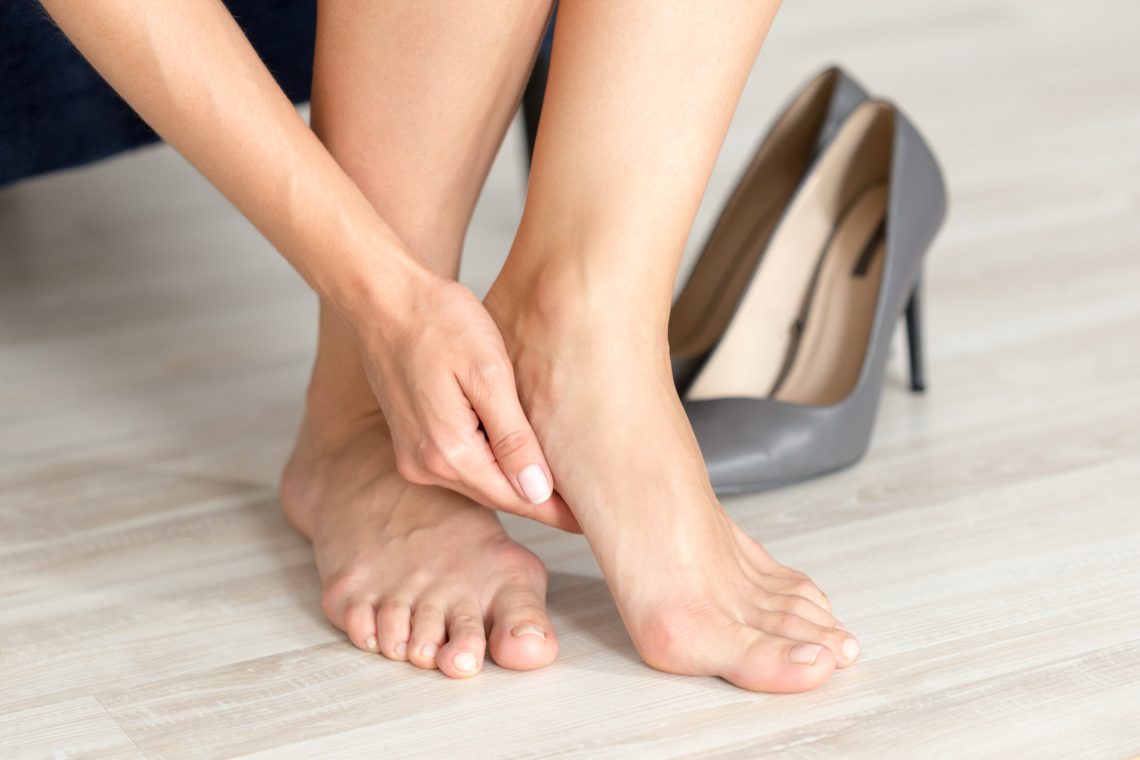
Ankle swelling and pain can make everyday activities like walking, standing, climbing stairs, and exercising difficult. It may occur after an injury, prolonged standing, excessive physical activity, or due to an underlying medical condition. While mild swelling may improve with proper care, persistent or severe ankle pain should not be ignored.
Understanding how to reduce ankle swelling and pain can help you manage discomfort, support recovery, and prevent further complications. In this guide, we will discuss common causes of ankle swelling, effective home remedies, exercises, and when to seek professional help.
What Causes Ankle Swelling and Pain?
Ankle swelling occurs when excess fluid accumulates in the tissues around the ankle joint. It can affect one or both ankles and may be accompanied by redness, stiffness, tenderness, or difficulty walking.
Some common causes include:
- Ankle sprain: Stretching or tearing of ligaments can cause pain, inflammation, and swelling.
- Overuse or excessive activity: Running, walking, or standing for long periods can put additional pressure on the ankle joint.
- Arthritis: Joint inflammation can cause stiffness, discomfort, and swelling around the ankle.
- Poor circulation: Reduced blood flow or fluid buildup can contribute to swelling in the lower legs and ankles.
- Injury or fracture: Damage to bones, muscles, or ligaments may result in significant swelling and pain.
- Medical conditions: Kidney, heart, or vein-related problems can sometimes cause swelling in the lower limbs.
You can also read about what is the reason of ankle pain to understand other possible causes of ankle discomfort.
7 Effective Ways to Reduce Ankle Swelling and Pain
The right treatment depends on the underlying cause of swelling. However, several simple measures can help reduce discomfort and support recovery.
1. Apply an Ice Pack
Cold therapy can help manage pain and swelling, particularly after an ankle injury. It temporarily reduces blood flow to the affected area and helps control inflammation.
Wrap an ice pack in a clean towel and apply it to the swollen ankle for 15–20 minutes at a time. Repeat every 2–3 hours during the initial period after an injury.
Avoid placing ice directly on your skin, as it may cause irritation or cold burns.
2. Elevate Your Ankle
Keeping your ankle elevated can help reduce fluid accumulation around the joint.
Lie down and place two or three pillows under your lower leg so that your ankle is positioned above heart level. Maintain this position for approximately 15–20 minutes, several times throughout the day.
Ankle elevation is particularly helpful when swelling increases after prolonged standing or walking.
3. Use Compression Bandages
A properly applied elastic compression bandage can provide support and help manage swelling. It also offers stability to the injured ankle.
Wrap the bandage around your ankle with gentle, even pressure. Avoid wrapping it too tightly, as this can restrict circulation.
Remove or loosen the bandage if you experience numbness, tingling, increased pain, or changes in skin colour. Seek medical advice if you are unsure whether compression is suitable for your condition.
4. Avoid Activities That Increase Pain
Continuing strenuous activities when your ankle is swollen can worsen the injury and delay recovery.
For the first few days after an acute injury, reduce activities such as:
- Running and jumping.
- Heavy workouts.
- Long-distance walking.
- Standing for extended periods.
However, complete inactivity is not always necessary. Gentle movement within a comfortable range can help prevent stiffness, depending on the injury.
5. Perform Gentle Ankle Exercises
Once severe pain has settled and movement is comfortable, gentle exercises can help improve ankle mobility and circulation.
Some useful movements include:
- Ankle circles: Slowly rotate your ankle clockwise and anticlockwise.
- Ankle pumps: Move your foot upward towards your body and then point it downward.
- Toe movements: Gently curl and straighten your toes.
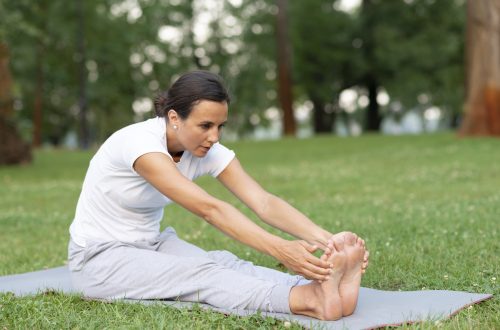
- Calf stretches: Stretch your calf muscles gently when comfortable.
Start slowly and stop if an exercise increases pain or swelling. Avoid exercises if you suspect a fracture or significant ligament injury until you have been assessed.
6. Wear Comfortable and Supportive Footwear
Poorly fitting shoes can increase pressure on your ankle and affect the way you walk.
Choose footwear that provides adequate cushioning, arch support, and ankle stability. Avoid high heels and uncomfortable shoes, especially when experiencing swelling or pain.
If you have recurring ankle problems, a physiotherapist can assess your walking pattern and recommend suitable footwear or support.
7. Consult a Physiotherapist
If ankle swelling and pain persist, physiotherapy can help identify the underlying problem and support recovery.
A physiotherapist may recommend treatments such as mobility exercises, strengthening activities, balance training, and gradual return-to-activity programmes.
For individuals recovering from an ankle injury, rehabilitation can help restore joint movement, improve muscle strength, and reduce the risk of repeated injuries.
Exercises to Improve Ankle Mobility and Strength
After the initial swelling and pain have reduced, strengthening exercises can help restore ankle function.
Some commonly recommended exercises include:
- Resistance band exercises: Strengthen the muscles responsible for ankle movement.
- Heel raises: Improve calf muscle strength and ankle stability.
- Single-leg balance: Improve coordination and balance.
- Gentle calf stretching: Maintain flexibility in the lower leg muscles.
These exercises should be introduced gradually according to your recovery stage and physical condition.
If you have experienced an ankle sprain, read our guide on how to recover from a sprained ankle for additional recovery information.
When Should You See a Doctor for Ankle Swelling?
Although mild ankle swelling may improve with home care, certain symptoms require medical attention.
Consult a healthcare professional if you experience:
- Severe ankle pain or sudden swelling.
- Inability to stand or put weight on your foot.
- Visible deformity or suspected fracture.
- Redness, warmth, or fever around the affected area.
- Swelling that continues to increase or does not improve.
- Repeated swelling without an obvious injury.
Sudden swelling in one leg accompanied by calf pain, warmth, or redness may indicate a blood clot and requires urgent medical assessment. Chest pain or breathlessness with leg swelling requires emergency care.
How Can Physiotherapy Help Reduce Ankle Pain?
Physiotherapy plays an important role in managing ankle pain and restoring normal movement. Treatment focuses on improving joint mobility, strengthening surrounding muscles, and correcting movement patterns that may contribute to recurring discomfort.
Depending on the cause of swelling, a physiotherapist may recommend:
- Individualised ankle mobility exercises.
- Muscle strengthening and flexibility training.
- Balance and coordination exercises.
- Gait assessment and walking correction.
- Progressive rehabilitation following an injury.
Physiotherapy can also help people with arthritis-related ankle discomfort by improving joint function and maintaining mobility. Read our article on what are the signs of arthritis in your feet to learn more about foot arthritis symptoms.
Conclusion
Reducing ankle swelling and pain requires understanding its underlying cause and following the right recovery approach. Ice application, ankle elevation, appropriate compression, supportive footwear, and gentle exercises can help manage mild symptoms.
However, persistent swelling, severe pain, or difficulty walking should not be ignored. Early assessment and appropriate physiotherapy can help improve ankle mobility, restore strength, and support a safe return to daily activities.
Swastya Physio provides physiotherapy guidance and rehabilitation support to help individuals manage joint pain, recover from injuries, and improve movement.