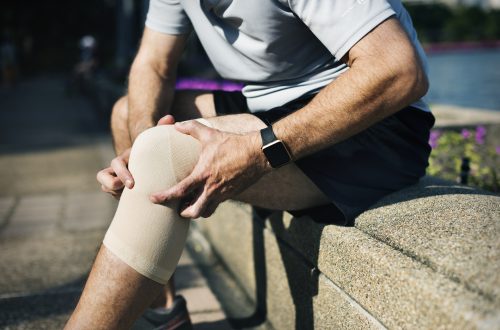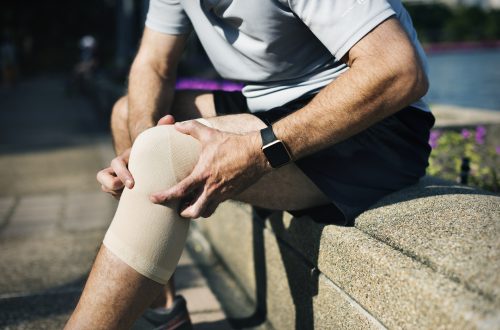
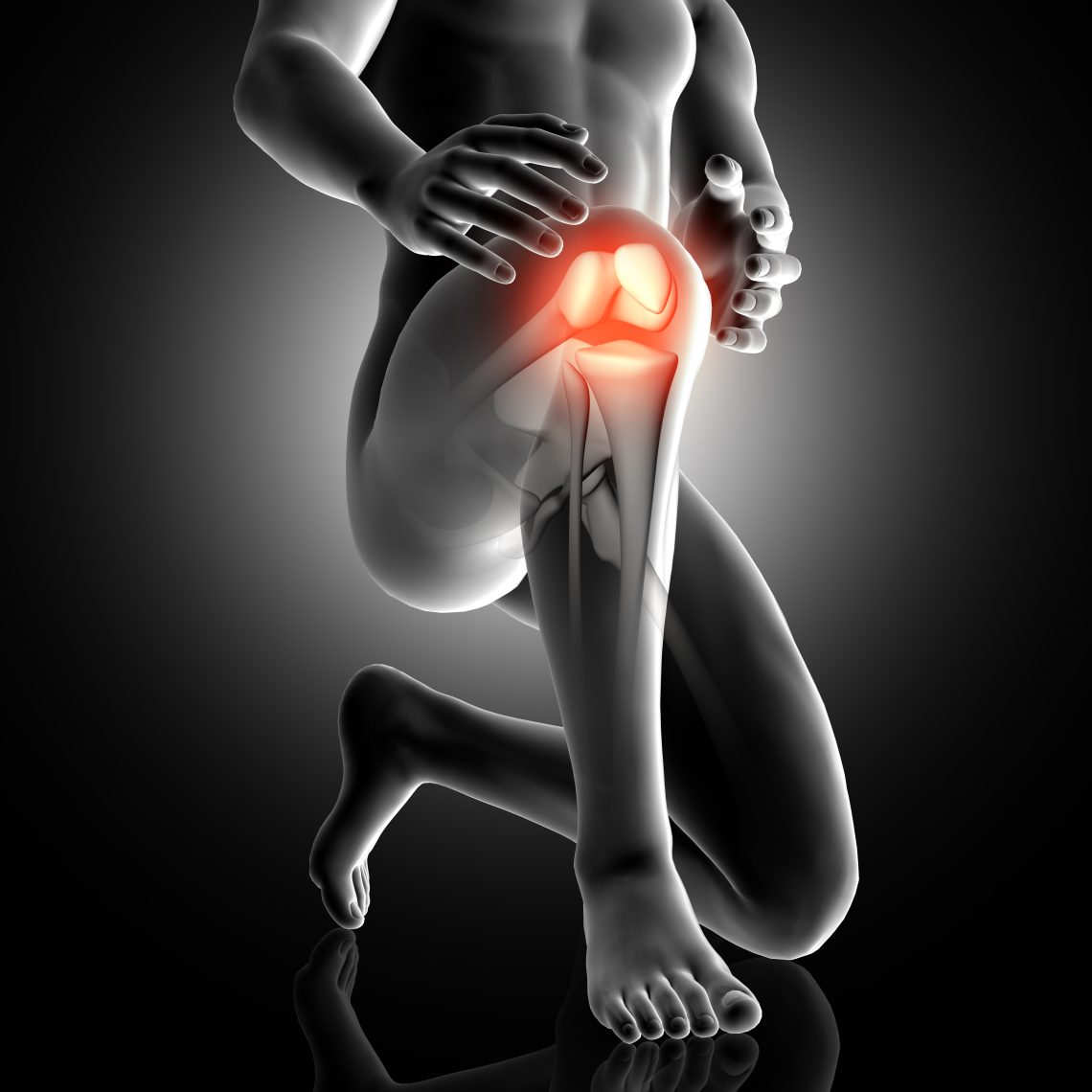
An anterior cruciate ligament (ACL) injury can cause knee pain that affects everyday activities, including walking, climbing stairs, standing for long periods and exercising. While some people experience severe pain immediately after an ACL injury, others notice occasional discomfort that gradually becomes more noticeable during daily movements.
The intensity and frequency of pain depend on the severity of the injury, associated damage to other knee structures and the level of physical activity. Some people experience pain every day, while others have episodes of discomfort, swelling or knee instability.
Understanding why an ACL injury causes daily pain can help you recognise the symptoms, choose appropriate treatment and prevent further damage.
Does ACL Injury Cause Daily Pain?
Yes, an ACL injury can cause daily knee pain, particularly when the ligament is partially or completely torn. However, not everyone experiences constant pain after an ACL injury.
The ACL is an important ligament that connects the thighbone (femur) to the shinbone (tibia). It helps stabilise the knee and controls excessive forward movement and rotation of the lower leg.
When this ligament gets injured, the knee may become unstable, making certain everyday movements uncomfortable.
You may experience pain while:
- Walking or standing for extended periods.
- Climbing up and down stairs.
- Bending or straightening your knee.
- Getting up from a chair.
- Walking on uneven surfaces.
- Performing activities that involve sudden direction changes.
In some cases, the pain may decrease with rest but return when you resume physical activities.
Why Does an ACL Injury Cause Daily Knee Pain?
An ACL injury can affect the knee in several ways. The discomfort is not always caused by the ligament tear alone. Other structures surrounding the knee may also contribute to persistent pain.
Here are some common reasons:
1. Knee Inflammation and Swelling
After an ACL injury, inflammation develops inside the knee joint. This can cause swelling, tenderness and stiffness.
Swelling may make it difficult to bend or straighten your knee completely. Even simple movements, such as walking or standing, can become uncomfortable.
2. Knee Joint Instability
The ACL helps maintain knee stability during movement. When it is damaged, the knee may feel weak or unstable.
You may experience a sensation that your knee is giving way, particularly when walking downstairs, turning or changing direction.
Repeated episodes of instability can increase stress on other knee structures and contribute to ongoing discomfort.
3. Damage to the Meniscus
ACL injuries sometimes occur alongside meniscus tears. The meniscus is a cartilage structure that cushions the knee joint and helps distribute body weight.
When both structures are injured, knee pain may become more noticeable during walking, squatting or bending.
4. Reduced Muscle Strength
After an ACL injury, people often reduce their physical activity because of pain and instability. This can weaken the quadriceps and hamstring muscles.
Weak muscles provide less support to the knee joint, potentially increasing discomfort during everyday activities.
Appropriate rehabilitation exercises can help restore muscle strength and improve knee function.
What Are the Common Symptoms of an ACL Injury?
Daily pain is just one possible symptom of an ACL injury. Depending on the severity, you may experience several other signs.
Common symptoms include:
- Sudden knee pain following a twisting movement or sports injury.
- A popping sound at the time of injury.
- Swelling within the first few hours.
- Difficulty walking or putting weight on the affected leg.
- Reduced knee movement and stiffness.
- A feeling that the knee may give way.
- Discomfort while climbing stairs or changing direction.
If you experience these symptoms, consult an orthopaedic specialist for proper evaluation.
Can You Have an ACL Injury Without Constant Pain?
Yes. Some people with ACL injuries do not experience constant knee pain.
In certain cases, the initial pain and swelling decrease after a few weeks. However, the knee may still feel unstable during activities that involve twisting, running or sudden movements.
For example, you may be able to walk comfortably on a flat surface but experience discomfort while climbing stairs or participating in sports.
This happens because pain and knee stability are not always directly related. A person can have a significant ACL tear without experiencing severe daily pain.
Therefore, the absence of constant pain does not necessarily mean that the ligament has healed.
How Can You Reduce Daily Pain After an ACL Injury?
Managing ACL-related knee pain involves reducing irritation, improving muscle strength and restoring joint stability.
The following approaches may help:
1. Avoid Activities That Increase Pain
Temporarily avoid high-impact activities such as running, jumping and sudden turning movements. These activities can place additional stress on an injured knee.
Choose gentle movements based on your doctor’s or physiotherapist’s recommendations.
2. Apply Ice to Reduce Swelling
Applying an ice pack wrapped in a towel for 15–20 minutes may help reduce pain and swelling.
Avoid placing ice directly on your skin.
3. Follow a Physiotherapy Programme
Physiotherapy plays an important role in ACL injury rehabilitation. A physiotherapist can develop an exercise programme based on your injury severity, symptoms and functional requirements.
Rehabilitation may include:
- Quadriceps strengthening exercises.
- Hamstring strengthening exercises.
- Gentle knee mobility exercises.
- Balance and coordination training.
- Gradual functional movement training.
These exercises help improve muscle support, knee control and movement.
4. Maintain Proper Movement and Posture
Avoid sudden twisting movements and excessive pressure on the injured knee. Follow professional guidance when returning to regular activities.
5. Get Medical Evaluation
If knee pain continues, swelling returns or your knee frequently gives way, seek medical evaluation.
An orthopaedic specialist may recommend a physical examination and MRI to assess the extent of ligament damage and identify associated injuries.
How Long Does ACL Injury Pain Last?
The duration of ACL-related pain depends on the severity of the injury and the treatment approach.
| ACL Injury Type | General Recovery Considerations |
|---|---|
| Grade 1 (Mild) | Symptoms may improve over a few weeks with appropriate care. |
| Grade 2 (Partial Tear) | Recovery may take several weeks to months, depending on the extent of damage. |
| Grade 3 (Complete Tear) | Rehabilitation may take several months; surgery may be considered depending on knee instability and activity requirements. |
These are general estimates, not guaranteed recovery timelines. Recovery varies from person to person.
When Should You See a Physiotherapist for ACL Pain?
You should consider consulting a physiotherapist if knee pain interferes with your daily routine or makes it difficult to perform normal activities.
Professional guidance is particularly important if you experience:
- Persistent knee swelling.
- Difficulty bending or straightening your knee.
- Repeated episodes of knee instability.
- Pain while walking or climbing stairs.
- Reduced leg strength.
- Difficulty returning to physical activities.
If you experience severe pain, inability to bear weight, significant swelling or a locked knee, seek prompt medical assessment.
Early diagnosis and an appropriate rehabilitation programme can help prevent further complications and improve knee function.
Frequently Asked Questions (FAQs)
1. Can an ACL injury cause knee pain every day?
Yes. An ACL injury can cause daily knee pain due to inflammation, joint instability, associated meniscus damage and muscle weakness. However, some people experience discomfort only during specific activities.
2. Can you walk normally with a torn ACL?
Yes. Some people can walk with a torn ACL, especially after the initial swelling and pain decrease. However, they may experience instability during turning, running or climbing stairs.
3. Does an ACL injury hurt even when resting?
It can. Some people experience pain or discomfort even while resting, particularly during the initial injury period when swelling and inflammation are present.
4. Can physiotherapy reduce ACL injury pain?
Yes. Physiotherapy can help reduce symptoms, restore muscle strength, improve knee stability and support functional recovery. The treatment plan depends on the severity of the injury.
5. Does every ACL tear require surgery?
No. Some people with ACL injuries can recover with structured physiotherapy and activity modification. Surgery may be recommended for significant instability, associated injuries or individuals who want to return to activities involving frequent pivoting.
Conclusion
An ACL injury can cause daily knee pain, but the severity and frequency of discomfort vary depending on the extent of ligament damage and associated knee problems. Even if the initial pain decreases, instability and muscle weakness may continue to affect everyday activities.
Early diagnosis, appropriate medical care and a structured physiotherapy programme can help manage symptoms and restore knee function. If your knee pain persists or affects your daily routine, consult a qualified healthcare professional to determine the right treatment approach.