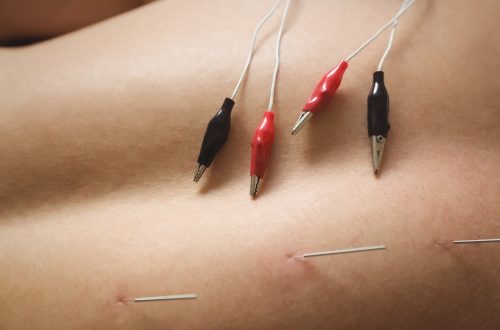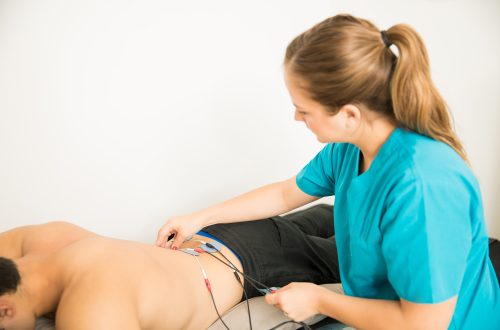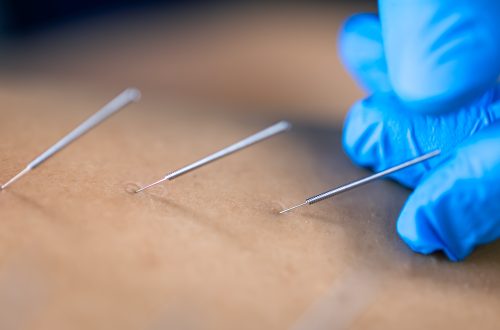
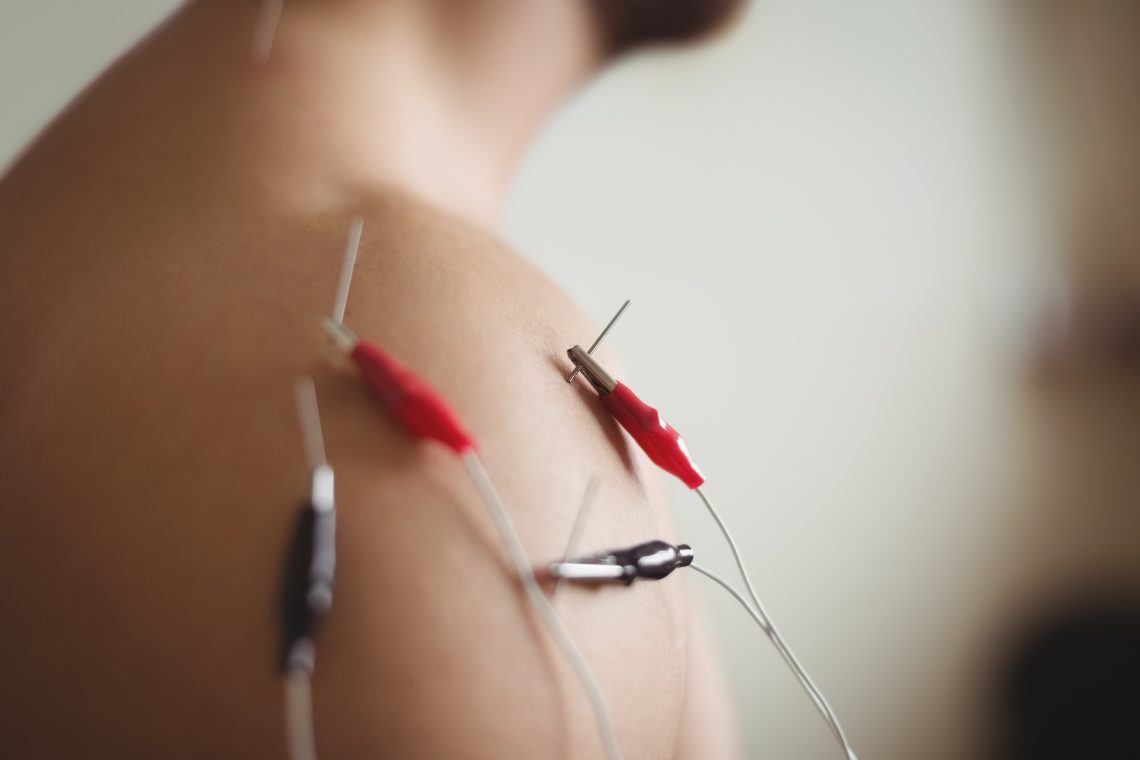
Dry needling has become a popular treatment in physiotherapy and pain management, especially for muscle tightness, trigger points, and sports injuries. Many people who undergo this therapy often ask: does dry needling increase blood flow? The answer is yes. One of the key benefits of dry needling is its ability to improve circulation and stimulate the body’s natural healing response.
In this article, we’ll explore how dry needling works, how it affects blood flow, its benefits, and what you can expect after treatment.
What Is Dry Needling?
Dry needling is a therapeutic technique performed by trained physiotherapists or healthcare professionals. It involves inserting thin, sterile needles into tight muscles, trigger points, or connective tissues to relieve pain and improve movement.
Unlike acupuncture, which is based on traditional Chinese medicine, dry needling is rooted in modern anatomy and musculoskeletal science. The treatment specifically targets muscle dysfunction and trigger points that may be causing pain or restricted mobility.
If you’re unfamiliar with this therapy, you can also read more about what is dry needling and how it works for pain management.
Does Dry Needling Increase Blood Flow?
Yes, dry needling can significantly increase blood flow to the targeted area. When the needle is inserted into a tight muscle or trigger point, the body responds by improving local circulation. This increased blood flow helps deliver oxygen and nutrients to damaged tissues while removing waste products and inflammation.
The process happens in several ways:
1. Muscle Relaxation
Tight muscles often restrict circulation. Dry needling helps release muscle tension and trigger points, allowing blood vessels to open up and improve circulation.
2. Micro-Trauma Healing Response
The insertion of the needle creates a small, controlled micro-trauma in the tissue. This stimulates the body’s healing response, increasing circulation and promoting tissue repair.
3. Reduced Inflammation
Improved blood flow helps flush out inflammatory chemicals and metabolic waste that may contribute to pain and stiffness.
4. Nervous System Stimulation
Dry needling also affects the nervous system by encouraging the release of natural pain-relieving chemicals and improving communication between muscles and nerves.
How Increased Blood Flow Helps Recovery
Better circulation plays a major role in healing and recovery. When blood flow increases after dry needling, the following benefits may occur:
- Faster muscle recovery
- Reduced stiffness and tension
- Improved flexibility
- Better oxygen delivery to tissues
- Decreased pain and inflammation
- Enhanced mobility and performance
This is one reason why athletes and active individuals frequently use dry needling as part of sports injury rehabilitation.
If you’re dealing with sports-related pain, you may also find our guide on how to recover from sports injury helpful for improving healing and recovery naturally.
Conditions That May Benefit from Dry Needling
Dry needling is commonly used for a variety of musculoskeletal conditions, including:
- Neck pain
- Back pain
- Shoulder pain
- Tennis elbow
- Sciatica
- Headaches and migraines
- Muscle tightness
- Knee pain
- Sports injuries
For example, trigger points in the neck and shoulders can often contribute to headaches. You can also explore how to release trigger points in neck to understand how muscle tension affects pain patterns.
What Happens During a Dry Needling Session?
During treatment, a physiotherapist inserts very thin needles into trigger points or tight muscles. You may feel:
- A slight prick during insertion
- Muscle twitching
- Mild cramping sensation
- Temporary soreness afterward
These reactions are normal and often indicate that the muscle is responding to treatment.
The session usually lasts between 15–30 minutes depending on the condition being treated.
Does Increased Blood Flow Cause Soreness?
Some people experience mild soreness after dry needling. This happens because circulation increases and the muscles begin repairing themselves. The soreness usually feels similar to post-workout muscle soreness and typically resolves within 24–48 hours.
To reduce soreness:
- Stay hydrated
- Use light stretching
- Apply heat if recommended
- Avoid intense exercise immediately afterward
If you’re concerned about side effects, you may also want to read what not to do after dry needling to maximize recovery and treatment results.
Is Dry Needling Scientifically Proven?
Research suggests that dry needling can:
- Improve local blood circulation
- Reduce muscle tension
- Decrease pain sensitivity
- Improve range of motion
Several studies show that dry needling stimulates vascular and neurological responses that support healing. While results vary between individuals, many patients report significant pain relief and improved function after treatment.
Dry Needling vs Massage for Blood Flow
Both massage therapy and dry needling help improve circulation, but they work differently.
| Dry Needling | Massage Therapy |
|---|---|
| Targets deep trigger points | Works on broader muscle areas |
| Stimulates nervous system response | Promotes relaxation |
| Can create rapid muscle release | Provides gradual relief |
| Often used for chronic tightness | Commonly used for stress relief |
Some physiotherapists combine both treatments for better results. Sports massage can also support circulation and muscle recovery. You can learn more about is sports massage good for muscle healing and pain management.
Who Should Avoid Dry Needling?
Although generally safe, dry needling may not be suitable for everyone. People who should consult a healthcare provider first include:
- Pregnant women
- People with bleeding disorders
- Individuals with severe needle phobia
- Those with infections or skin conditions near the treatment area
Always seek treatment from a licensed and trained professional.
Final Thoughts
So, does dry needling increase blood flow? Absolutely. One of the main therapeutic effects of dry needling is improved circulation to muscles and tissues. By releasing trigger points, relaxing muscles, and stimulating the body’s healing response, dry needling can help reduce pain, improve mobility, and speed up recovery.
Whether you’re dealing with chronic muscle tension, sports injuries, or trigger point pain, dry needling may be an effective treatment option worth considering. Combined with proper stretching, posture correction, and physiotherapy, it can play an important role in long-term pain relief and recovery.