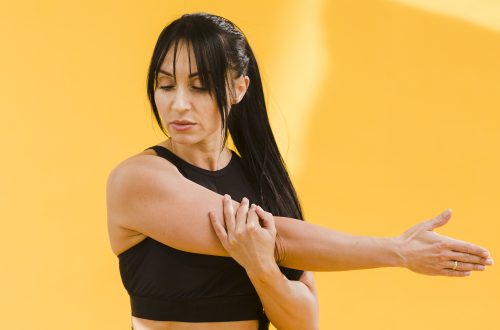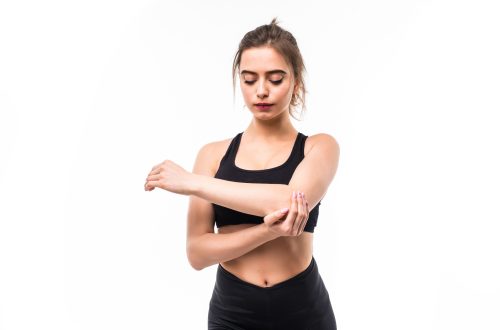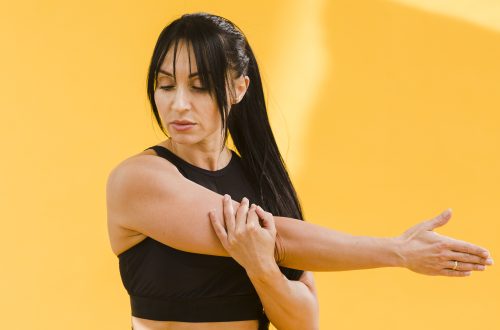
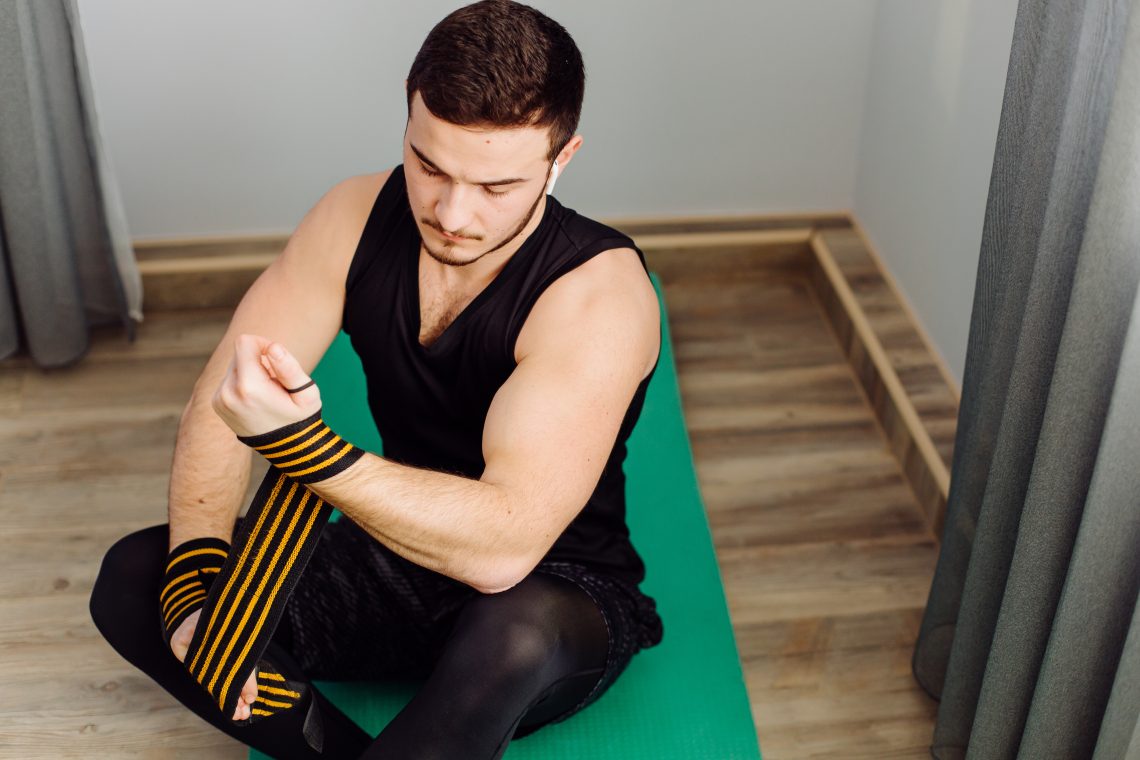
Elbow pain from weightlifting is common among people who regularly perform exercises such as bicep curls, tricep extensions, bench presses, pull-ups, and rows. Repeated lifting, poor technique, excessive weight, and inadequate recovery can put stress on the muscles, tendons, and joints around the elbow.
Mild elbow pain may improve with rest and appropriate home care, but persistent or severe pain should not be ignored. Understanding what is causing the pain and adjusting your training routine can help support recovery and prevent the problem from returning.
What Causes Elbow Pain From Weightlifting?
Several factors can contribute to elbow pain during or after strength training.
Overuse: Repeating the same movements frequently can place continuous stress on the elbow tendons and surrounding tissues.
Lifting too much weight: Increasing weights too quickly can overload the muscles and tendons before they have adapted to the increased demand.
Poor exercise technique: Incorrect wrist, elbow, or shoulder positioning can place unnecessary stress on the elbow.
Insufficient recovery: Training the same muscle groups without adequate rest can increase the risk of irritation and overuse injuries.
Tendon problems: Repetitive gripping and lifting can contribute to conditions such as tennis elbow or other forms of tendinopathy.
If your pain is concentrated around the outer elbow and becomes worse when gripping or lifting, learning how to cure tennis elbow can provide useful information about possible causes, symptoms, and treatment approaches.
How to Cure Elbow Pain From Weightlifting
The right approach depends on the cause and severity of your pain. These strategies can help with mild, exercise-related elbow discomfort.
1. Reduce or Modify Your Training
Continuing to perform painful exercises can place additional stress on irritated tissues. Temporarily reduce the weight, repetitions, or frequency of exercises that trigger pain.
You do not necessarily need to stop all physical activity. Instead, modify your workouts and avoid movements that consistently increase your symptoms.
Once the pain improves, gradually return to your normal training rather than immediately lifting your previous maximum weight.
2. Check Your Exercise Technique
Poor technique is one of the common reasons weightlifters develop recurring pain.
Pay attention to your:
- Wrist position
- Elbow alignment
- Grip
- Range of motion
- Weight selection
- Speed of movement
For example, excessive wrist bending during curls or tricep exercises may increase stress on the elbow. Working with a qualified trainer or physiotherapist can help identify technique problems.
If your elbow discomfort extends into the wrist or you frequently experience wrist problems during training, you may also benefit from understanding how to relieve elbow pain from lifting and how related movement patterns can contribute to discomfort.
3. Give Your Elbow Enough Rest
Recovery is an important part of strength training. If your elbow is painful, give the irritated tissues time to recover.
Avoid repeatedly testing the painful movement to see whether it still hurts. Instead, allow symptoms to settle before gradually reintroducing the exercise.
You can continue lower-body training or other activities that do not aggravate your elbow, provided they are comfortable.
4. Use Cold or Heat Appropriately
Cold therapy may temporarily reduce pain and discomfort after activity, particularly when the area feels irritated following exercise.
Heat can sometimes help loosen stiff muscles before activity. However, neither cold nor heat addresses the underlying cause of an overuse injury.
Use these approaches as supportive measures rather than relying on them as the main treatment.
5. Stretch and Strengthen Gradually
Once acute pain has settled, gentle stretching and progressive strengthening can help restore normal movement and improve the capacity of the muscles and tendons around the elbow.
Exercises may focus on the:
- Forearm muscles
- Wrist flexors and extensors
- Biceps
- Triceps
- Shoulder and upper-arm muscles
Exercises should be introduced gradually and should not cause significant pain. A physiotherapist can recommend exercises based on your specific symptoms and strength level.
If you frequently experience discomfort in the elbow, you can also read how to reduce elbow joint pain for additional information about managing elbow-related discomfort.
When Should You See a Physiotherapist?
Not every case of weightlifting-related elbow pain requires medical treatment, but professional assessment is recommended when symptoms do not improve with appropriate rest and activity modification.
Consider seeing a physiotherapist if:
- Pain continues for several weeks
- You have difficulty lifting everyday objects
- Your grip strength has decreased
- The elbow becomes swollen
- Pain is getting progressively worse
- You experience numbness or tingling
- You cannot fully bend or straighten your elbow
- Pain repeatedly returns when you resume training
A physiotherapist can assess your movement, strength, flexibility, training habits, and symptoms to determine the likely source of the problem. Treatment may include exercise therapy, manual therapy, education, and gradual return-to-training guidance.
For general information about managing elbow discomfort, you can also explore how to treat elbow pain and learn about common causes and treatment approaches.
How to Prevent Elbow Pain While Weightlifting
Prevention is especially important if you regularly participate in strength training.
Start each workout with an appropriate warm-up and gradually increase your training intensity. Avoid sudden increases in weight, repetitions, or workout volume.
Maintain proper technique and avoid forcing your joints through painful ranges of motion. Give muscle groups enough recovery time between demanding sessions.
It is also helpful to vary your exercises instead of repeatedly performing the same movement patterns. If a particular exercise consistently causes elbow pain, consider reducing the load or discussing alternative exercises with a qualified professional.
Final Thoughts
Elbow pain from weightlifting can often be related to overuse, excessive training load, poor technique, or insufficient recovery. Reducing aggravating activities, improving exercise form, allowing adequate recovery, and gradually strengthening the affected muscles can support recovery.
However, persistent or severe pain should be assessed by a healthcare professional. Identifying the underlying cause early can help you return to weightlifting safely and reduce the likelihood of recurring elbow problems.