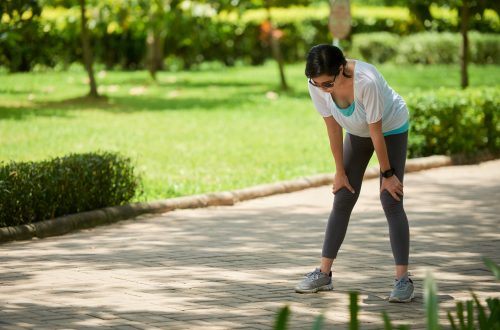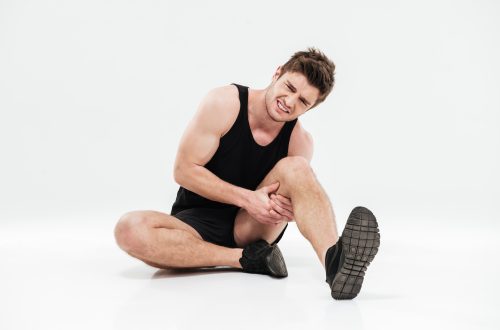
Knee pain can make everyday activities such as walking, climbing stairs, sitting, or exercising difficult. It may develop due to injuries, muscle weakness, joint inflammation, overuse, or age-related changes. While occasional discomfort may improve with rest and simple home care, persistent knee pain may require professional attention.
Understanding how to fix knee pain starts with identifying its underlying cause. The right combination of exercises, lifestyle adjustments, and physiotherapy can help reduce discomfort, improve flexibility, and restore normal knee movement.
What Causes Knee Pain?
The knee is a complex joint that supports body weight and allows movements such as bending, straightening, and walking. Several factors can contribute to knee discomfort, including:
- Muscle weakness: Weak quadriceps, hamstrings, and hip muscles can increase stress on the knee joint.
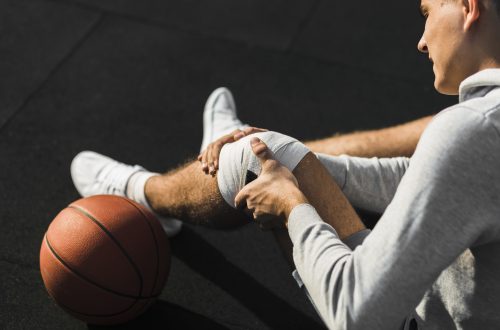
- Sports injuries: Sudden twisting, jumping, or landing incorrectly can damage ligaments, cartilage, or tendons.
- Arthritis: Osteoarthritis and rheumatoid arthritis can cause joint pain, stiffness, and swelling.
- Overuse: Repetitive movements, excessive exercise, or prolonged physical activity can irritate knee structures.
- Excess body weight: Additional weight increases pressure on the knee joints, potentially worsening discomfort.
- Previous injuries: Old ligament or meniscus injuries may contribute to recurring knee pain.
You can also read our guide on what can cause knee pain without injury to understand why knee discomfort sometimes develops without an obvious accident or physical trauma.
How to Fix Knee Pain at Home
Mild knee pain can sometimes be managed through simple home-care techniques. However, the appropriate approach depends on the cause and severity of the discomfort.
1. Give Your Knee Adequate Rest
Avoid activities that increase knee pain, such as running, jumping, squatting, or climbing stairs repeatedly. Temporary activity modification can reduce unnecessary pressure on the affected joint.
However, avoid complete inactivity for extended periods. Gentle movement, as tolerated, can help maintain joint flexibility.
2. Apply Ice to Reduce Swelling
If your knee pain develops after an injury or physical activity, applying an ice pack may help reduce swelling and discomfort.
- Wrap an ice pack in a thin towel.
- Apply it to the affected area for 15–20 minutes.
- Repeat every few hours if necessary.
Never apply ice directly to your skin.
3. Use Gentle Knee Exercises
Appropriate exercises can strengthen the muscles supporting your knee and improve joint stability. Start slowly and avoid movements that increase pain.
Some commonly recommended exercises include:
Straight Leg Raises: Lie on your back with one knee bent and the other leg straight. Slowly lift the straight leg, hold briefly, and lower it. Repeat 10 times.
Heel Slides: Lie on your back and slowly slide one heel towards your buttocks by bending your knee. Return to the starting position. Repeat 10 times.
Quadriceps Sets: Sit or lie with your leg straight. Tighten the muscles at the front of your thigh while gently pressing the back of your knee towards the floor. Hold for 5 seconds and relax.
Hamstring Stretch: Sit with one leg extended and gently lean forward until you feel a stretch behind your thigh. Hold for 15–20 seconds without bouncing.
Perform these exercises only if they are comfortable. Stop if you experience increased pain or swelling.
4. Maintain a Healthy Body Weight
Excess body weight can increase the load placed on your knee joints during everyday activities. Maintaining a healthy weight through balanced nutrition and suitable physical activity may help reduce joint stress.
Low-impact activities such as swimming, stationary cycling, and walking on flat surfaces may be suitable, depending on your condition.
5. Avoid Prolonged Sitting
Sitting in one position for extended periods can increase stiffness around the knee joint. Take short movement breaks, gently straighten your legs, and change positions regularly.
If you experience discomfort while walking, gradually increase your activity rather than suddenly increasing your walking distance.
Physiotherapy Treatment for Knee Pain
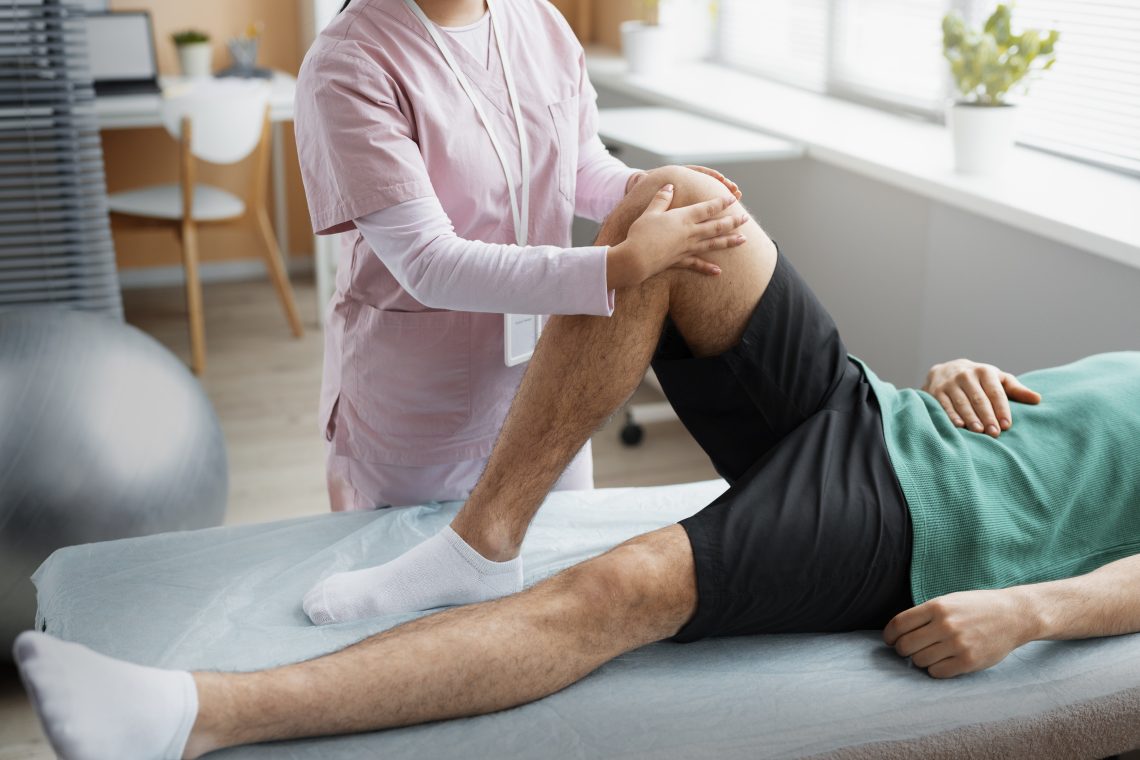
Physiotherapy can play an important role in managing knee pain, particularly when discomfort is related to muscle weakness, movement problems, sports injuries, or joint stiffness.
A physiotherapist assesses your knee mobility, muscle strength, flexibility, posture, and movement patterns before recommending an appropriate treatment plan.
Common physiotherapy approaches include:
- Strengthening exercises: Improve quadriceps, hamstring, and hip muscle strength to support the knee joint.
- Manual therapy: Specific hands-on techniques may help improve joint mobility and reduce stiffness.
- Stretching exercises: Improve flexibility in muscles surrounding the knee.
- Balance training: Improve coordination and knee stability during everyday activities.
- Gait training: Help correct walking patterns that may contribute to knee discomfort.
- Functional rehabilitation: Gradually restore the ability to perform daily activities and return to sports.
The treatment approach depends on the underlying condition, pain severity, and individual recovery goals.
When Should You See a Physiotherapist or Doctor?
Although some cases of knee pain improve with home care, certain symptoms require professional assessment.
Consider seeking medical attention if you experience:
- Knee pain that continues for several days without improvement.
- Persistent swelling or stiffness.
- Difficulty bending or straightening your knee.
- Pain while walking or climbing stairs.
- Repeated episodes of knee instability.
- Knee discomfort that interferes with daily activities.
Seek urgent medical attention if you cannot bear weight, your knee is severely swollen or deformed, or you have a hot, red knee accompanied by fever. These symptoms may indicate a serious injury or infection.
How to Prevent Knee Pain in the Future
Preventing knee pain involves maintaining muscle strength, improving flexibility, and avoiding excessive stress on the joints.
Follow these practical tips:
- Warm up properly before exercising or playing sports.
- Strengthen your quadriceps, hamstrings, and hip muscles.
- Wear comfortable footwear that provides adequate support.
- Avoid suddenly increasing workout intensity or duration.
- Maintain a healthy body weight.
- Use proper techniques while lifting weights and performing squats.
- Allow sufficient recovery time between intense workouts.
If you participate in sports regularly, understanding how to prevent knee injuries in sports can help you develop safer exercise habits and reduce the risk of knee-related injuries.
Frequently Asked Questions (FAQs)
1. How can I fix knee pain quickly?
For mild knee pain, temporary rest, ice application, activity modification, and gentle exercises may help. However, recovery depends on the underlying cause of the discomfort.
2. Which exercise is best for knee pain?
Straight leg raises, heel slides, quadriceps strengthening, and gentle hamstring stretches are commonly recommended. The best exercise depends on your knee condition and physical abilities.
3. Is walking good for knee pain?
Walking may help maintain joint mobility and muscle strength when the pain is mild. However, avoid walking long distances if it increases discomfort or swelling.
4. Can physiotherapy cure knee pain?
Physiotherapy can help manage many causes of knee pain by improving muscle strength, flexibility, joint mobility, and movement patterns. Results depend on the underlying condition.
5. When should I worry about knee pain?
Severe pain, significant swelling, inability to bear weight, knee deformity, or a hot and red knee with fever requires prompt medical attention.
Conclusion
Knowing how to fix knee pain involves understanding its cause and choosing the right treatment approach. Simple home-care techniques, appropriate exercises, healthy lifestyle habits, and physiotherapy can help improve knee function and reduce discomfort.
If knee pain persists or affects your daily activities, consult a qualified physiotherapist or healthcare professional for an appropriate assessment and personalised treatment plan.