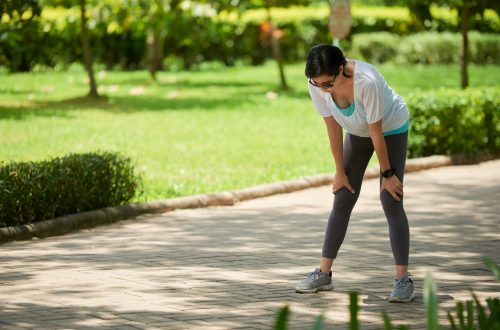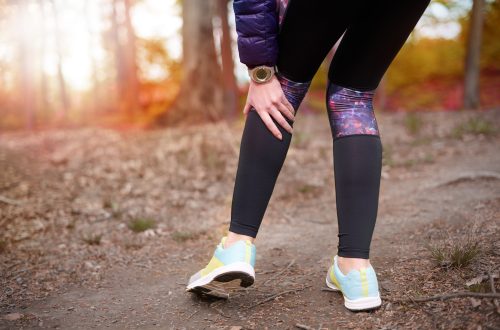

Knee pain is often associated with sports injuries, falls, or accidents. However, many people experience knee pain even when they haven’t suffered any obvious injury. If you’ve been wondering what can cause knee pain without injury, you’re not alone. Knee pain can develop gradually due to medical conditions, lifestyle habits, or age-related changes.
Understanding the underlying cause is the first step toward effective treatment. In this article, we’ll discuss the most common reasons for knee pain without injury, symptoms to watch for, treatment options, and when you should consult a healthcare professional.
Why Does Knee Pain Occur Without an Injury?
Your knee is one of the largest and most complex joints in the body. It consists of bones, cartilage, ligaments, tendons, muscles, and fluid-filled sacs that work together to support movement. Problems affecting any of these structures can cause pain, even without trauma.
The pain may develop gradually or appear suddenly, depending on the underlying condition.
Common Causes of Knee Pain Without Injury
1. Osteoarthritis
One of the most common causes of knee pain is osteoarthritis, especially in adults over 50. It occurs when the protective cartilage cushioning the knee gradually wears away.
Symptoms include:
- Pain during movement
- Morning stiffness
- Swelling
- Grinding or clicking sensation
- Reduced flexibility
The pain usually worsens after prolonged activity and improves with rest.
If your pain is related to arthritis, read our guide on how to prevent arthritis in knees to learn simple lifestyle changes that may help protect your joints.
2. Rheumatoid Arthritis
Unlike osteoarthritis, rheumatoid arthritis is an autoimmune condition. The immune system mistakenly attacks the joint lining, causing inflammation and pain.
Symptoms include:
- Pain in both knees
- Morning stiffness lasting more than 30 minutes
- Swelling
- Warmth around the joint
- Fatigue
Early diagnosis is important to prevent permanent joint damage.
3. Bursitis
The knee contains small fluid-filled sacs called bursae that reduce friction between tissues.
Repetitive kneeling, prolonged pressure, or infection can inflame these sacs, leading to bursitis.
Symptoms include:
- Swelling
- Tenderness
- Warmth
- Pain while kneeling
4. Tendinitis
Inflammation of the tendons around the knee can occur due to repetitive movements rather than a sudden injury.
Common activities include:
- Walking long distances
- Climbing stairs
- Cycling
- Running
Pain usually develops slowly and becomes worse with activity.
5. Patellofemoral Pain Syndrome
Often called runner’s knee, this condition can affect people who don’t run at all.
It develops when the kneecap doesn’t move smoothly over the thigh bone.
Common symptoms include:
- Pain around the kneecap
- Difficulty climbing stairs
- Pain after sitting for long periods
- Clicking or popping sounds
6. Gout
Gout occurs when uric acid crystals build up inside the joints.
Although it commonly affects the big toe, it can also affect the knee.
Symptoms include:
- Sudden severe pain
- Redness
- Swelling
- Warmth
If you’re unsure whether uric acid is responsible for your symptoms, read our article on can uric acid cause knee pain.
7. Obesity
Extra body weight places significant stress on the knee joints.
In fact, every extra kilogram of body weight adds several kilograms of pressure to your knees while walking.
Over time, this increases the risk of:
- Cartilage damage
- Arthritis
- Chronic knee pain
Losing even a small amount of weight can noticeably reduce pain.
8. Vitamin D Deficiency
Vitamin D helps maintain healthy bones and muscles.
Low vitamin D levels can lead to:
- Bone pain
- Muscle weakness
- Joint discomfort
Many people experience unexplained knee pain before discovering they have a vitamin D deficiency.
Learn more in our detailed guide on can vitamin D deficiency cause knee pain.
9. Overuse
You don’t need a major injury to develop knee pain.
Repeated daily activities such as:
- Standing for long hours
- Walking on hard surfaces
- Frequent stair climbing
- Heavy household work
can gradually strain the knee joint.
Symptoms That Shouldn’t Be Ignored
Seek medical advice if you experience:
- Pain lasting more than two weeks
- Swelling that doesn’t improve
- Knee locking
- Difficulty walking
- Fever with knee pain
- Redness and warmth
- Severe stiffness
These symptoms may indicate a more serious condition requiring treatment.
How Is Knee Pain Diagnosed?
Your healthcare provider may recommend:
- Physical examination
- X-rays
- MRI scan
- Blood tests
- Joint fluid analysis
Finding the exact cause helps determine the most appropriate treatment.
Treatment Options
Treatment depends on the underlying cause.
Rest and Activity Modification
Avoid activities that worsen the pain while staying gently active.
Complete bed rest is usually not recommended.
Physiotherapy
A physiotherapist may recommend exercises to:
- Strengthen thigh muscles
- Improve flexibility
- Increase joint stability
- Correct walking patterns
Physiotherapy is often one of the most effective long-term treatments.
Pain Relief
Doctors may recommend:
- Anti-inflammatory medications
- Pain-relieving gels
- Knee braces
- Ice or heat therapy
Weight Management
Maintaining a healthy weight reduces stress on the knees and slows joint degeneration.
Regular Exercise
Low-impact exercises such as:
- Swimming
- Walking
- Cycling
- Yoga
can strengthen muscles without placing excessive pressure on the knee.
Swimming is one of the safest exercises for painful knees. Read our article on does swimming help arthritis to understand how water-based exercise supports joint health.
How to Prevent Knee Pain
Although not every cause is preventable, these habits can lower your risk:
- Maintain a healthy weight
- Stretch before exercise
- Wear supportive footwear
- Strengthen leg muscles
- Avoid prolonged sitting
- Stay physically active
- Eat a balanced diet rich in calcium and vitamin D
When Should You See a Physiotherapist?
Consult a physiotherapist if:
- Knee pain affects daily activities
- Pain keeps returning
- Home remedies don’t help
- Walking becomes difficult
- You experience weakness or instability
Early treatment often prevents minor problems from becoming chronic conditions.
Conclusion
If you’ve been asking what can cause knee pain without injury, the answer is that many conditions from arthritis and tendinitis to vitamin D deficiency and overuse can be responsible. While occasional knee pain may improve with rest and home care, persistent or worsening symptoms should never be ignored.
Identifying the underlying cause early and following the right treatment plan can help relieve pain, restore mobility, and improve your quality of life. If your symptoms continue despite self-care, consult a healthcare professional or physiotherapist for a thorough evaluation and personalized treatment.