
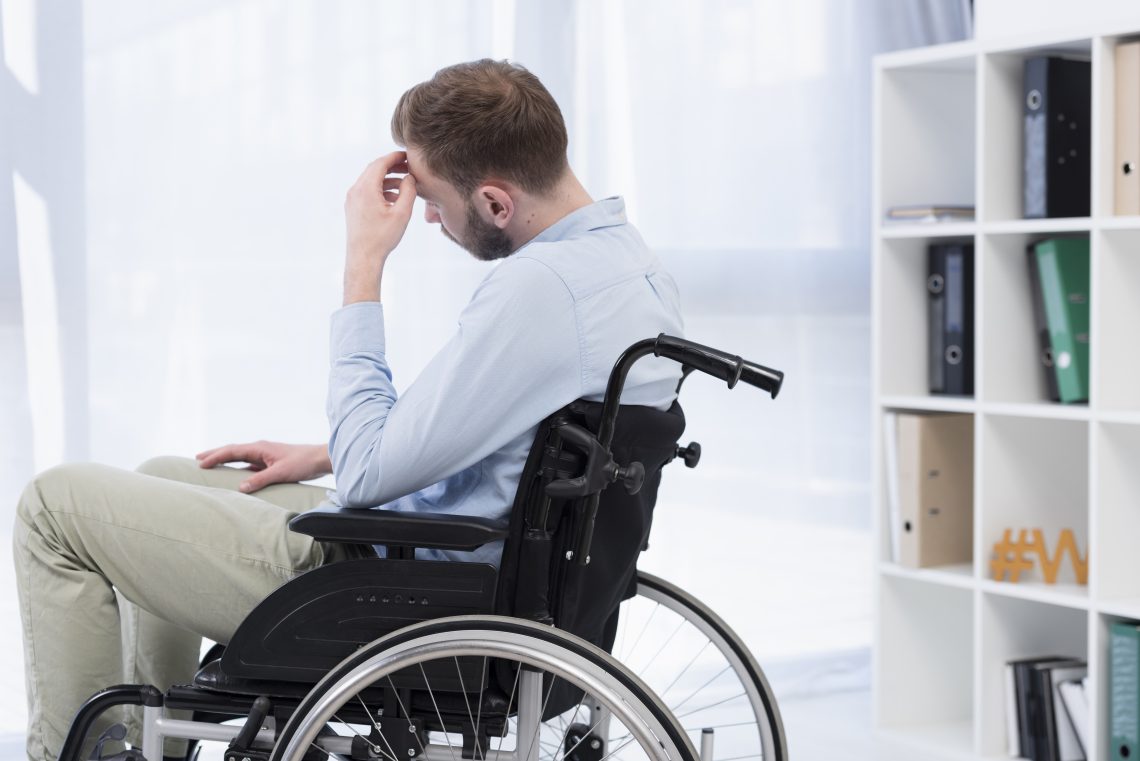
Paralysis is a condition in which a person loses the ability to move one or more muscles of the body. It can affect a small area, such as one side of the face or a single limb, or a larger part of the body. Paralysis may develop suddenly or gradually, depending on its underlying cause.
Understanding what is the reason of paralysis is important because paralysis can sometimes indicate a serious medical emergency. Conditions affecting the brain, spinal cord, nerves, or muscles can interfere with the signals responsible for movement.
What Is Paralysis?
Paralysis occurs when communication between the brain and the muscles is disrupted. Normally, the brain sends signals through the spinal cord and peripheral nerves to control voluntary movement. Damage anywhere along this pathway can prevent muscles from working normally.
Paralysis can be:
- Partial paralysis: Some movement or muscle strength remains.
- Complete paralysis: There is little or no voluntary movement.
- Temporary paralysis: Movement may return after the underlying problem improves.
- Permanent paralysis: Movement may not return when there is severe or irreversible nerve damage.
The location of paralysis depends largely on where the nervous system has been affected.
What Is the Main Reason for Paralysis?
There are several possible causes of paralysis. Some develop suddenly, while others occur over time.
1. Stroke
A stroke is one of the major causes of sudden paralysis. It occurs when blood flow to part of the brain is blocked or when a blood vessel in the brain ruptures. Because the affected part of the brain may no longer be able to control certain muscles, a person can develop weakness or paralysis.
Stroke-related paralysis commonly affects one side of the body. A person may experience weakness in the face, arm, or leg, depending on which area of the brain has been affected.
You can also read about how stroke can lead to paralysis to understand the relationship between the two conditions.
Sudden facial drooping, arm weakness, difficulty speaking, confusion, severe headache, or loss of balance can be signs of stroke and require immediate emergency medical attention.
2. Spinal Cord Injury
The spinal cord carries signals between the brain and the rest of the body. An injury to the spinal cord can interrupt these signals and result in paralysis below the level of the injury.
Spinal cord injuries may occur because of:
- Road traffic accidents
- Falls
- Sports injuries
- Severe trauma
- Certain medical conditions
The severity and location of the injury determine how much movement and sensation are affected.
3. Brain Injuries
Damage to the brain can affect the areas responsible for controlling movement. Traumatic brain injuries caused by accidents, falls, or other impacts may result in weakness, coordination problems, or paralysis.
The effects depend on the location and severity of the brain injury. Some people may experience temporary weakness, while severe injuries can cause long-term movement problems.
4. Nerve Disorders
Peripheral nerves carry signals from the brain and spinal cord to muscles throughout the body. Diseases or damage affecting these nerves can cause weakness and, in severe cases, paralysis.
Examples include certain forms of neuropathy, nerve compression, and inflammatory disorders affecting the nervous system.
5. Neurological Conditions
Several neurological conditions can interfere with muscle control and movement. Depending on the condition, paralysis or severe weakness may develop gradually.
Some disorders affect the brain, while others affect the spinal cord, nerves, or the connection between nerves and muscles.
For people experiencing movement difficulties after neurological conditions, neurological physiotherapy can be an important part of rehabilitation. Learn more about what is neurological physiotherapy.
6. Infections and Inflammation
Certain infections can affect the brain, spinal cord, or peripheral nerves. Inflammation involving the nervous system can also interfere with normal nerve signals.
In some cases, weakness may appear gradually and progress over time. Prompt medical assessment is important to identify the underlying cause and begin appropriate treatment.
7. Tumors and Other Structural Problems
A tumor or other abnormal growth affecting the brain or spinal cord can put pressure on areas involved in movement. Depending on its location, this pressure can cause weakness, loss of coordination, or paralysis.
Other structural problems affecting the nervous system may produce similar symptoms.
Can Paralysis Happen Suddenly?
Yes. Sudden paralysis should always be taken seriously, particularly when it develops within minutes or hours.
Sudden weakness or paralysis affecting one side of the body can be a warning sign of stroke. Other symptoms may include:
- Facial drooping
- Difficulty speaking or understanding speech
- Sudden vision changes
- Loss of balance or coordination
- Severe or unusual headache
- Numbness or weakness
If these symptoms appear suddenly, seek emergency medical care immediately rather than waiting for them to improve.
You can also learn more about symptoms of paralysis in legs and why sudden weakness should not be ignored.
How Is the Cause of Paralysis Diagnosed?
Doctors usually begin with a medical history and neurological examination. Depending on the symptoms, additional tests may be required.
These can include:
- MRI or CT scans
- Blood tests
- Nerve conduction studies
- Electromyography (EMG)
- Other neurological investigations
The goal is to determine whether the problem originates in the brain, spinal cord, nerves, muscles, or another part of the body.
Can Paralysis Be Treated?
Treatment depends entirely on the underlying cause. There is no single treatment that works for every type of paralysis.
For example, stroke treatment focuses on restoring or protecting brain function, while spinal cord injuries may require emergency care, surgery, and rehabilitation. Other neurological conditions require condition-specific medical treatment.
Once the person is medically stable, rehabilitation may help improve mobility, strength, balance, coordination, and independence. Physiotherapy can be particularly important in helping patients regain functional abilities and adapt to movement limitations.
If paralysis has occurred after a stroke, rehabilitation may continue for weeks or months depending on the severity of the condition. Read more about how to recover from stroke paralysis quickly and the role of rehabilitation in recovery.
Final Thoughts
So, what is the reason of paralysis? Paralysis can result from many conditions, including stroke, spinal cord injury, brain injury, nerve disorders, infections, inflammation, and other neurological problems. The cause, location, and severity of the underlying condition determine how paralysis affects movement and whether recovery is possible.
Because some causes of paralysis are medical emergencies, sudden weakness or loss of movement should never be ignored. Early diagnosis and appropriate medical treatment, followed by rehabilitation when necessary, can play an important role in recovery and improving quality of life.