Dry needling is a modern therapeutic technique widely used by physiotherapists to relieve muscle pain, reduce tension, and improve mobility. It has gained popularity in recent years, especially among athletes and people dealing with chronic pain conditions. But many people still wonder what exactly is dry needling and how does it work?
In this article, we’ll explain everything you need to know about dry needling, including how it works, its benefits, whether it’s painful, and who can benefit from it.
What is Dry Needling?
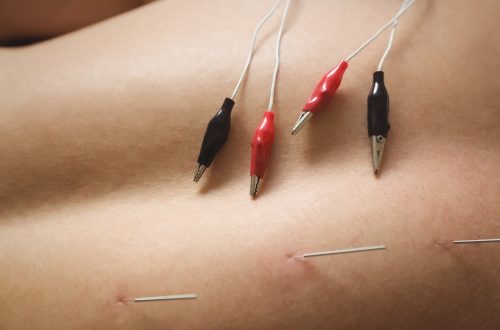
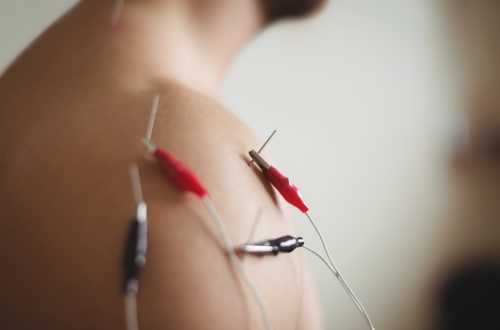
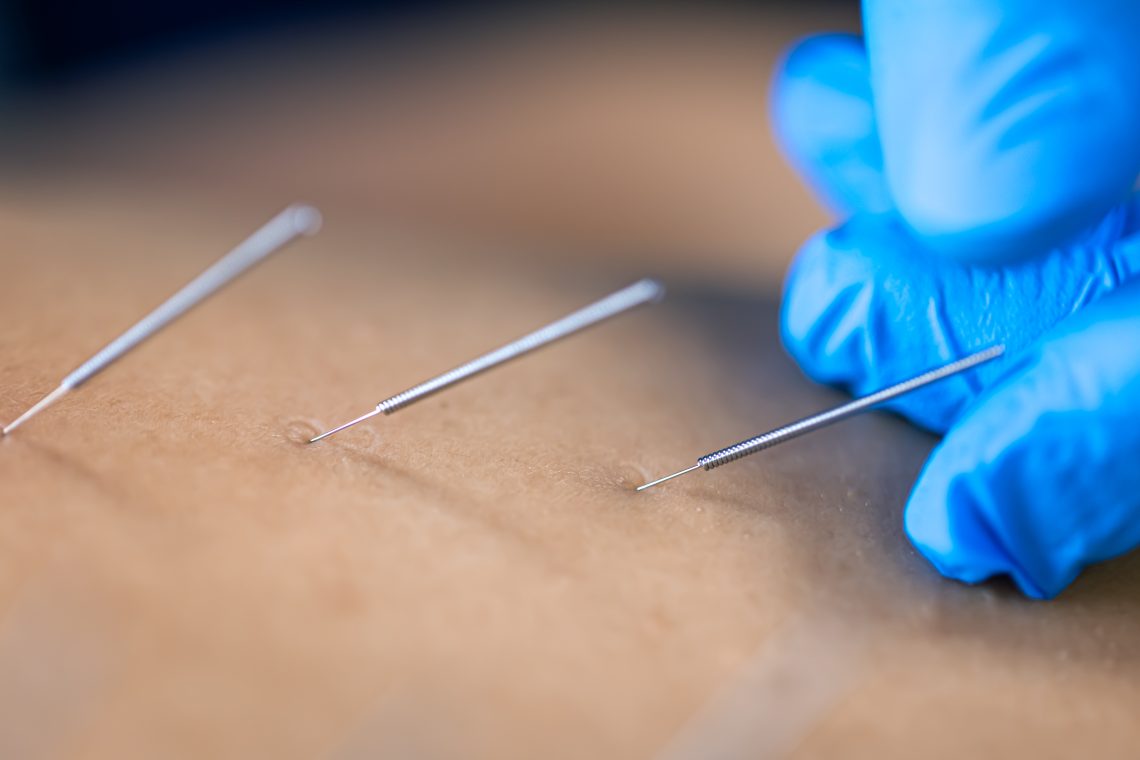
Dry needling is a treatment technique in which a trained therapist inserts very thin, sterile needles into specific points in the muscle, known as trigger points. These trigger points are tight bands of muscle that can cause pain, stiffness, and restricted movement.
Unlike acupuncture, which is based on traditional Chinese medicine, dry needling is based on modern medical science and focuses on musculoskeletal and neuromuscular conditions.
The term “dry” means that no medication or fluid is injected into the body only the needle is used to stimulate the muscle.
How Does Dry Needling Work?
When the needle is inserted into a trigger point, it creates a small, controlled micro-injury in the muscle. This stimulates the body’s natural healing response and helps:
- Release muscle tension
- Improve blood circulation
- Reduce inflammation
- Restore normal muscle function
Often, the needle causes a local twitch response, which is a brief contraction of the muscle. This is a positive sign that the tight muscle is being released.
If you’re curious about how trigger points develop, you can also read more about what is trigger point release, which explains the concept in detail.
Conditions Treated with Dry Needling
Dry needling is commonly used to treat a wide range of conditions, including:
- Neck pain and stiffness
- Lower back pain
- Shoulder pain
- Sciatica
- Sports injuries
- Tennis elbow
- Headaches and migraines
For example, people suffering from nerve-related pain may benefit from combining therapies. You can explore more about nerve-related pain in how to get relief from sciatica back pain to understand complementary treatments.
Benefits of Dry Needling
Dry needling offers several benefits, especially when combined with physiotherapy and exercise:
1. Pain Relief
It helps reduce both acute and chronic pain by releasing tight muscles and improving blood flow.
2. Improved Mobility
By relaxing stiff muscles, dry needling increases flexibility and range of motion.
3. Faster Recovery
Athletes often use dry needling to recover quickly from injuries and muscle fatigue.
4. Reduced Muscle Tightness
It directly targets trigger points, which are often the root cause of muscle stiffness.
5. Better Posture
By releasing tension in muscles, it helps improve posture and alignment.
Is Dry Needling Painful?
One of the most common concerns is whether dry needling hurts. The answer is it depends on the individual and the condition being treated.
Most people feel:
- A slight prick when the needle is inserted
- A twitch or cramping sensation
- Mild soreness after the session
The discomfort is usually temporary and often followed by noticeable relief.
If you want a deeper understanding, check out how painful is dry needling, where we explain the sensations in detail.
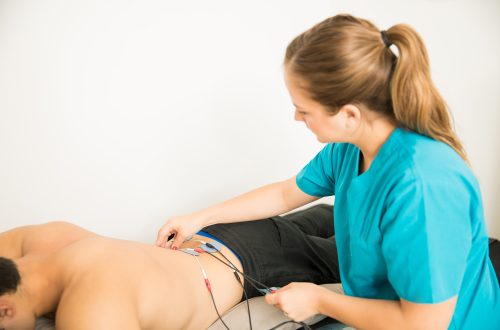
What Happens During a Dry Needling Session?
A typical session involves the following steps:
- Assessment – The therapist identifies tight muscles and trigger points.
- Needle Insertion – Thin needles are inserted into specific areas.
- Muscle Response – You may feel a twitch or slight discomfort.
- Aftercare – The therapist may suggest stretching, hydration, or light movement.
Sessions usually last between 15 to 30 minutes, depending on the condition.
Are There Any Side Effects?
Dry needling is generally safe when performed by a trained professional. However, some mild side effects may occur:
- Temporary soreness
- Minor bruising
- Fatigue
- Slight bleeding at the needle site
Serious side effects are rare but can occur if not performed correctly, which is why it’s important to choose a qualified practitioner.
You can also read about does dry needling really work to understand its effectiveness based on real-world results.
Who Should Avoid Dry Needling?
Dry needling may not be suitable for everyone. You should consult a healthcare professional if you:
- Are pregnant
- Have a bleeding disorder
- Are on blood-thinning medication
- Have a fear of needles
- Have an infection or skin condition in the treatment area
Dry Needling vs Other Therapies
Dry needling is often compared with other treatments like massage, physiotherapy, and chiropractic care.
- Massage therapy focuses on relaxing muscles externally
- Physiotherapy includes exercises and rehabilitation
- Chiropractic care focuses on spinal alignment
Dry needling works best when combined with these treatments for a more comprehensive recovery plan.
Final Thoughts
So, what is dry needling? It is a safe, effective, and minimally invasive therapy that targets muscle pain at its root the trigger points. Whether you’re dealing with chronic pain, sports injuries, or muscle stiffness, dry needling can provide significant relief and improve overall mobility.
However, like any treatment, it works best when combined with proper exercise, posture correction, and lifestyle changes. Always consult a qualified physiotherapist to determine if dry needling is right for your condition.