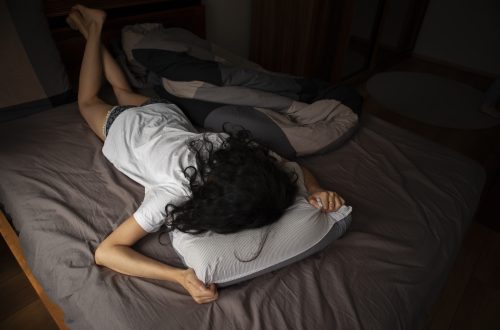

Sleep paralysis can be a frightening experience. Imagine waking up in the middle of the night unable to move or speak while feeling pressure on your chest or sensing a presence in the room. Although sleep paralysis is usually harmless, it can cause intense fear and anxiety. The good news is that there are several ways to reduce episodes and improve sleep quality naturally.
In this article, we’ll explore what sleep paralysis is, what causes it, and how to cure or prevent it with lifestyle changes, stress management, and better sleep habits.
What Is Sleep Paralysis?
Sleep paralysis occurs when your mind becomes awake while your body remains temporarily in a sleep state. During normal sleep, the body enters a stage called REM (Rapid Eye Movement) sleep, where muscles become temporarily paralyzed to prevent you from acting out dreams. Sleep paralysis happens when this muscle paralysis continues for a few seconds or minutes after waking up.
Common symptoms include:
- Inability to move or speak
- Chest pressure
- Hallucinations or sensing someone nearby
- Difficulty breathing
- Intense fear or panic
If you want to understand the causes in more detail, you can also read our guide on what causes sleep paralysis.
What Causes Sleep Paralysis?
Several factors can trigger sleep paralysis, including:
1. Lack of Sleep
Sleep deprivation is one of the most common causes. Irregular sleep patterns can disrupt the normal REM cycle.
2. Stress and Anxiety
Mental stress increases the risk of disturbed sleep and sleep paralysis episodes.
3. Sleeping on Your Back
Many people experience sleep paralysis more frequently while sleeping in a supine position.
4. Poor Sleep Schedule
Sleeping at inconsistent times affects your body’s internal clock.
5. Other Sleep Disorders
Conditions such as narcolepsy, insomnia, or sleep apnea may contribute to sleep paralysis.
How to Cure Sleep Paralysis Naturally
While there’s no instant cure, several proven methods can significantly reduce episodes.
1. Improve Your Sleep Schedule
One of the most effective ways to stop sleep paralysis is maintaining a consistent sleep routine.
Tips for better sleep hygiene:
- Sleep and wake up at the same time daily
- Aim for 7–9 hours of sleep
- Avoid screens before bedtime
- Keep your bedroom dark and quiet
Poor sleeping posture can also affect your body and sleep quality. You may benefit from reading how to prevent neck pain when sleeping to improve your sleeping habits overall.
2. Reduce Stress and Anxiety
Stress is strongly connected to sleep paralysis. Practicing relaxation techniques before bed can calm the nervous system and improve sleep quality.
Helpful stress-reduction techniques:
- Deep breathing exercises
- Meditation
- Yoga
- Journaling
- Listening to calming music
Stress can also cause physical tension in the body. Learn more in our article on can stress cause neck pain and how relaxation techniques help reduce overall body tension.
3. Avoid Sleeping on Your Back
Research suggests sleep paralysis happens more frequently when lying on the back. Try sleeping on your side instead.
You can:
- Use a body pillow
- Place pillows behind your back
- Improve head and neck alignment with proper support
If you frequently wake up with neck discomfort, our guide on how to use pillow for neck pain may help improve both sleep posture and sleep quality.
4. Limit Caffeine and Alcohol
Too much caffeine, especially in the evening, can disrupt REM sleep and increase nighttime awakenings. Alcohol may also interfere with healthy sleep cycles.
Try to:
- Avoid caffeine after 4 PM
- Limit alcohol consumption before bed
- Drink calming herbal teas instead
5. Exercise Regularly
Regular physical activity improves sleep quality and reduces stress. Moderate exercise during the day helps regulate your sleep cycle naturally.
Good options include:
- Walking
- Swimming
- Yoga
- Stretching exercises
However, avoid intense workouts close to bedtime as they may overstimulate the body.
6. Create a Relaxing Bedtime Routine
Preparing your mind and body for sleep can reduce nighttime anxiety and improve sleep patterns.
Your bedtime routine may include:
- Reading a book
- Taking a warm shower
- Gentle stretching
- Aromatherapy with lavender oil
Consistency is key for training your brain to relax before sleep.
7. Treat Underlying Sleep Disorders
If sleep paralysis happens frequently, you may have an underlying sleep disorder such as:
- Sleep apnea
- Narcolepsy
- Chronic insomnia
Consulting a sleep specialist can help identify and treat the root cause.
What to Do During a Sleep Paralysis Episode
If you experience sleep paralysis:
- Stay calm and remind yourself it is temporary
- Focus on slow breathing
- Try moving small muscles first, like fingers or toes
- Avoid panicking, as fear may make the episode feel longer
Understanding the condition can reduce anxiety and help you regain control more quickly.
When to See a Doctor
Occasional sleep paralysis is common and usually harmless. However, seek medical advice if:
- Episodes happen frequently
- You experience severe daytime fatigue
- Hallucinations become distressing
- Sleep paralysis affects your mental health
A doctor can evaluate whether another medical or sleep condition is contributing to the problem.
Final Thoughts
Sleep paralysis can feel terrifying, but it is usually manageable with healthy lifestyle changes and proper sleep habits. Improving sleep quality, reducing stress, avoiding sleeping on your back, and maintaining a regular sleep schedule can significantly reduce episodes over time.
By understanding the causes and making simple adjustments to your daily routine, you can regain control of your sleep and reduce the fear associated with sleep paralysis naturally.