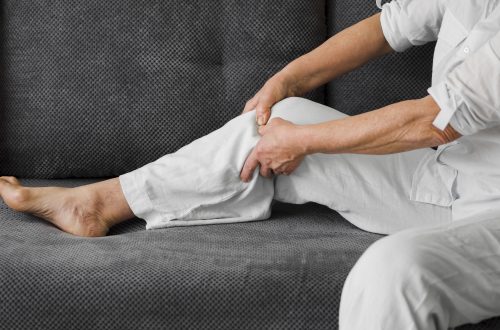

Rheumatoid arthritis (RA) is a chronic autoimmune disease that affects millions of people worldwide. Unlike osteoarthritis, which develops due to wear and tear, rheumatoid arthritis occurs when the body’s immune system mistakenly attacks healthy joint tissues. This leads to inflammation, pain, swelling, and stiffness that can affect daily life.
One of the most common questions people ask after receiving a diagnosis is, “Can rheumatoid arthritis be cured?” The simple answer is no, rheumatoid arthritis cannot currently be cured. However, with early diagnosis, proper treatment, and healthy lifestyle changes, the disease can be effectively managed, allowing many people to live active and fulfilling lives.
In this article, we’ll discuss whether rheumatoid arthritis can be cured, available treatment options, and practical ways to manage symptoms.
What Is Rheumatoid Arthritis?
Rheumatoid arthritis is an autoimmune condition in which the immune system attacks the lining of the joints (synovium). Over time, this inflammation damages cartilage, bones, ligaments, and tendons.
RA commonly affects:
- Hands
- Wrists
- Fingers
- Knees
- Feet
- Ankles
Unlike osteoarthritis, rheumatoid arthritis usually affects the same joints on both sides of the body.
Can Rheumatoid Arthritis Be Cured?
At present, there is no permanent cure for rheumatoid arthritis. Since RA is an autoimmune disease, medical science has not yet found a way to completely stop the immune system from attacking healthy joints.
However, this does not mean there is no hope.
Modern treatments can:
- Control inflammation
- Reduce pain and swelling
- Slow or stop joint damage
- Improve mobility
- Help achieve long-term remission
Many people diagnosed early can experience long periods with little or no symptoms.
If you’re looking for more information on treatment possibilities, you may also find our article on How to Cure Rheumatoid Arthritis Permanently helpful, where we discuss current research and treatment expectations.
What Causes Rheumatoid Arthritis?
The exact cause of RA remains unknown, but experts believe several factors contribute, including:
- Genetics
- Immune system dysfunction
- Smoking
- Hormonal changes
- Environmental triggers
- Certain infections
Although these factors increase the risk, not everyone exposed to them develops rheumatoid arthritis.
To understand the condition better, you can also read our guide on What Causes Arthritis, which explains different forms of arthritis and their possible causes.
Symptoms of Rheumatoid Arthritis
Symptoms usually develop gradually and may come and go during flare-ups.
Common symptoms include:
- Joint pain
- Morning stiffness lasting more than 30 minutes
- Swollen joints
- Fatigue
- Fever
- Loss of appetite
- Reduced joint movement
As the disease progresses, untreated inflammation may affect the eyes, lungs, heart, and blood vessels.
If you’re experiencing unexplained joint pain, our article on How Is Arthritis Diagnosed explains the tests and examinations doctors use to confirm arthritis.
How Is Rheumatoid Arthritis Treated?
Although RA cannot be cured, several treatments can successfully manage symptoms.
1. Disease-Modifying Anti-Rheumatic Drugs (DMARDs)
DMARDs are the primary medications used to slow disease progression and protect the joints from permanent damage.
2. Biologic Medications
Biologic drugs target specific parts of the immune system responsible for inflammation. They are often prescribed when conventional DMARDs are not enough.
3. Pain Relievers
Nonsteroidal anti-inflammatory drugs (NSAIDs) and other pain medications help reduce pain and swelling during flare-ups.
4. Corticosteroids
Doctors may prescribe corticosteroids for short-term control of severe inflammation.
Can Lifestyle Changes Help?
Absolutely. Lifestyle modifications play an important role in controlling rheumatoid arthritis symptoms.
Exercise Regularly
Low-impact exercises such as:
- Walking
- Swimming
- Cycling
- Stretching
- Yoga
can improve flexibility and strengthen muscles around the joints.
Swimming, in particular, is an excellent choice because water supports your body weight while reducing stress on painful joints. Learn more in our article Does Swimming Help Arthritis
Maintain a Healthy Weight
Extra body weight places additional stress on joints, especially the knees, hips, and ankles.
Maintaining a healthy weight can:
- Reduce joint pain
- Improve mobility
- Lower inflammation
- Increase treatment effectiveness
Eat an Anti-Inflammatory Diet
Certain foods may help reduce inflammation, including:
- Fatty fish
- Olive oil
- Leafy green vegetables
- Berries
- Nuts
- Whole grains
Try limiting:
- Sugary foods
- Processed snacks
- Fried foods
- Excessive red meat
Get Enough Rest
Fatigue is a common symptom of RA. Quality sleep allows the body to recover and may reduce inflammation.
Aim for 7–9 hours of sleep each night.
Can Physiotherapy Help?
Yes. Physiotherapy is an important part of rheumatoid arthritis management.
A physiotherapist can help you:
- Improve joint flexibility
- Increase muscle strength
- Reduce stiffness
- Improve posture
- Maintain independence in daily activities
Treatment plans are customized according to the severity of your symptoms and affected joints.
Can Rheumatoid Arthritis Go Into Remission?
Yes.
Many patients achieve clinical remission, meaning they experience little or no signs of active inflammation.
Remission is more likely when:
- Treatment starts early
- Medications are taken consistently
- Lifestyle changes are followed
- Regular follow-up appointments are maintained
Although remission is not the same as a cure, it allows many people to live almost symptom-free for years.
When Should You See a Doctor?
Consult a healthcare professional if you notice:
- Persistent joint pain lasting more than six weeks
- Swollen joints
- Morning stiffness lasting over 30 minutes
- Fatigue with unexplained joint discomfort
- Difficulty performing daily activities
Early diagnosis greatly improves treatment outcomes and reduces the risk of permanent joint damage.
Final Thoughts
So, can rheumatoid arthritis be cured? Currently, there is no permanent cure. However, advances in medical treatment have made it possible to control inflammation, slow disease progression, and significantly improve quality of life.
Early diagnosis, appropriate medication, physiotherapy, regular exercise, healthy eating, and routine medical follow-ups all play a vital role in managing rheumatoid arthritis successfully.
If you suspect you have rheumatoid arthritis or have already been diagnosed, working closely with your healthcare team can help you stay active, reduce pain, and protect your joints for the future.