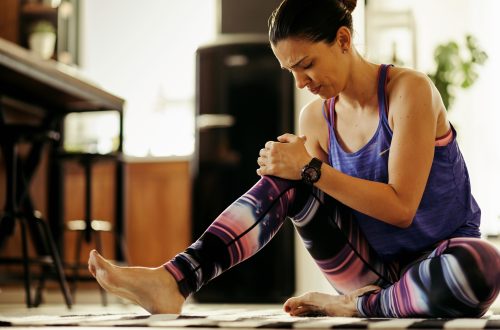

Sports and physical activities are excellent for maintaining fitness, improving strength and supporting overall health. However, participating in sports also involves the risk of injuries that can affect muscles, joints, ligaments, tendons and bones. Sports injuries can happen to beginners, professional athletes and people who exercise regularly.
Understanding the main causes of sports injuries can help you take preventive measures and maintain an active lifestyle. Factors such as inadequate warm-ups, overtraining, poor exercise techniques and muscle weakness can increase the chances of getting injured. Recognising these risk factors early can help reduce injuries and support faster recovery.
10 Main Causes of Sports Injuries
Sports injuries can occur due to several reasons, ranging from sudden movements to repeated physical stress. Here are some of the most common causes.
1. Inadequate Warm-Up Before Exercise
Skipping warm-up exercises is one of the common causes of sports injuries. Before participating in physical activities, your muscles and joints need time to prepare for increased movement and intensity.
Without proper warm-ups, muscles may not be sufficiently prepared for sudden movements, stretching or running. This can increase the risk of muscle strains, ligament injuries and joint discomfort.
A proper warm-up should include light jogging, dynamic stretching and movements related to your specific sport.
2. Overtraining and Excessive Physical Activity
Training too frequently without allowing your body enough recovery time can lead to overuse injuries. Repeated stress on muscles, tendons and joints may cause inflammation, pain and reduced physical performance.
Athletes who suddenly increase their workout intensity, training duration or frequency may be more vulnerable to injuries.
Common overuse injuries include:
- Tennis elbow
- Stress fractures
- Tendinitis
- Runner’s knee
- Muscle strains
Following a balanced training schedule and allowing adequate recovery between sessions can help reduce these risks.
3. Poor Exercise Techniques and Body Posture
Using incorrect techniques while exercising or playing sports can put unnecessary pressure on specific muscles and joints.
For example, improper landing techniques during jumping activities can increase stress on the knee joints. Similarly, incorrect lifting techniques may cause back injuries or muscle strains.
Learning the correct techniques, maintaining proper posture and practising controlled movements are important for preventing injuries.
4. Lack of Muscle Strength and Flexibility
Weak muscles may struggle to support joints during intense physical activities. Similarly, limited flexibility can restrict movement and affect your body’s ability to handle sudden changes in direction.
Muscle imbalances, where certain muscles are stronger than others, can also affect joint stability and movement patterns.
Strength training, mobility exercises and appropriate stretching can improve muscular support and help reduce injury risks.
5. Sudden Changes in Direction or Movement
Sports such as football, basketball, badminton and tennis involve frequent running, jumping, twisting and sudden changes in direction.
These movements can place considerable stress on muscles and ligaments, especially when performed without proper control.
Sudden twisting movements and awkward landings can contribute to injuries such as ankle sprains, ligament tears and knee injuries.
Athletes should practise balance, coordination and movement-control exercises to improve their ability to handle these activities.
6. Not Using Proper Sports Equipment
Wearing unsuitable footwear or using poorly maintained sports equipment can increase the chances of injuries.
For example, running shoes that do not provide appropriate support may contribute to foot discomfort. Similarly, playing on unsuitable surfaces or using damaged protective equipment can increase injury risks.
Choose equipment that suits your sport, body requirements and playing conditions.
7. Inadequate Rest and Recovery
Rest is an important part of any exercise or sports training programme. During recovery, your body repairs stressed muscles and adapts to physical activity.
Insufficient sleep, continuous training and ignoring muscle soreness can affect recovery and increase the risk of overuse injuries.
If you experience persistent pain, swelling or reduced movement, avoid pushing through the discomfort and seek professional assessment.
8. Previous Injuries and Incomplete Rehabilitation
Returning to sports before fully recovering from an earlier injury can increase the chances of experiencing another injury.
For example, an athlete recovering from an ACL injury may experience knee instability if strength, balance and movement control have not been adequately restored.
Following an appropriate rehabilitation programme is essential before returning to regular sports activities.
Read more about how long to recover from acl injury to understand the importance of proper recovery and rehabilitation.
9. Dehydration and Poor Nutrition
Physical activity increases the body’s demand for fluids and energy. Not drinking enough water or following an unbalanced diet can affect muscle function, endurance and overall performance.
Dehydration may contribute to muscle cramps, fatigue and reduced exercise tolerance. Inadequate nutrition can also affect muscle recovery and bone health.
Maintaining proper hydration and eating a balanced diet containing carbohydrates, proteins, vitamins and minerals can support physical performance.
10. Ignoring Pain and Early Warning Signs
Many athletes continue exercising even when they experience pain, stiffness or swelling. Ignoring these early warning signs can worsen an existing injury.
For example, continuing to play with ankle discomfort may aggravate an ankle sprain. Similarly, repeatedly putting pressure on an already painful knee can increase joint irritation.
Understanding when to stop exercising and seek medical attention is important for preventing minor problems from becoming more serious.
How Can You Prevent Sports Injuries?
Although not all sports injuries can be prevented, following certain precautions can significantly reduce your risk.
Here are some useful preventive measures:
- Warm up properly before starting physical activities.
- Follow the correct exercise techniques and maintain proper posture.
- Increase workout intensity and duration gradually.
- Include strength training and flexibility exercises in your routine.
- Wear appropriate footwear and protective equipment.
- Drink sufficient water before, during and after exercise.
- Allow your body enough time to recover between training sessions.
- Avoid playing through pain or discomfort.
- Follow a structured rehabilitation programme after an injury.
You can also read our guide on how to prevent sports injuries for additional preventive strategies.
When Should You Consult a Physiotherapist for Sports Injuries?
Not every sports injury requires extensive treatment, but persistent or severe symptoms should not be ignored.
You should consider consulting a physiotherapist if you experience:
- Persistent muscle or joint pain.
- Swelling around an injured area.
- Difficulty walking, running or moving normally.
- Reduced muscle strength or joint flexibility.
- Repeated injuries during physical activities.
- Difficulty returning to sports after an injury.
Physiotherapy can help improve strength, flexibility, balance and mobility through an individually designed rehabilitation programme.
Depending on the injury, treatment may include therapeutic exercises, manual therapy, mobility training and other rehabilitation techniques.
For example, athletes experiencing knee problems can benefit from appropriate rehabilitation exercises. Read more about how to prevent knee injuries in sports to understand ways to protect your knee joints during physical activities.
Conclusion
Sports injuries can occur due to several factors, including inadequate warm-ups, overtraining, poor exercise techniques, muscle weakness, dehydration and insufficient recovery. Understanding these causes can help athletes and fitness enthusiasts make better training decisions and reduce the risk of injuries.
Maintaining proper exercise techniques, following a balanced training routine and allowing enough recovery time are essential for staying active and healthy. If an injury occurs, timely assessment and appropriate physiotherapy can support recovery and help you return to your regular activities safely.