Dry needling has become a popular treatment for muscle pain, trigger points, sports injuries, and movement dysfunction. Many athletes, fitness enthusiasts, and active individuals choose this therapy to improve mobility and reduce pain. However, one common question people ask after a session is: Can I exercise after dry needling?
The short answer is yes, but timing and intensity matter. While light movement is often encouraged, strenuous workouts immediately after treatment may reduce the benefits of dry needling or increase muscle soreness.
In this article, you’ll learn when it’s safe to exercise after dry needling, which activities to avoid, recovery tips, and how to maximize the results of your treatment.
What Is Dry Needling?
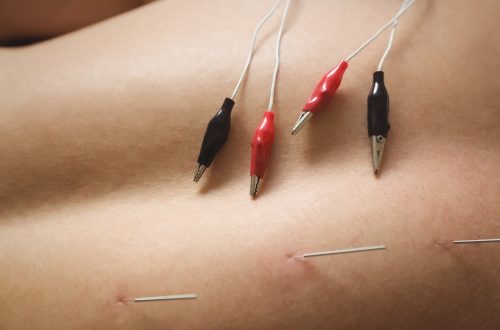
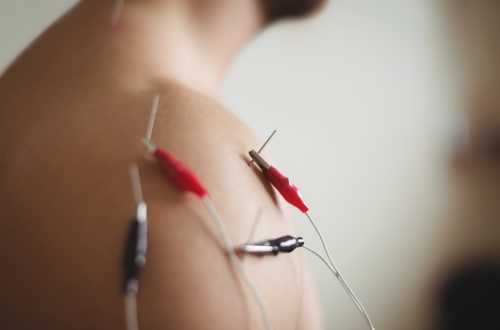
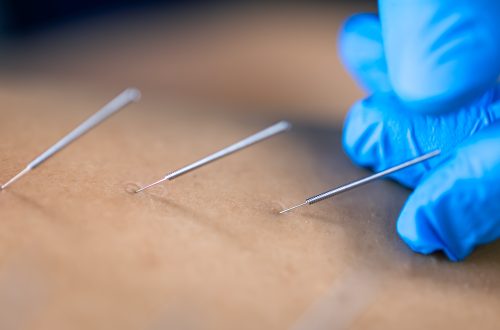
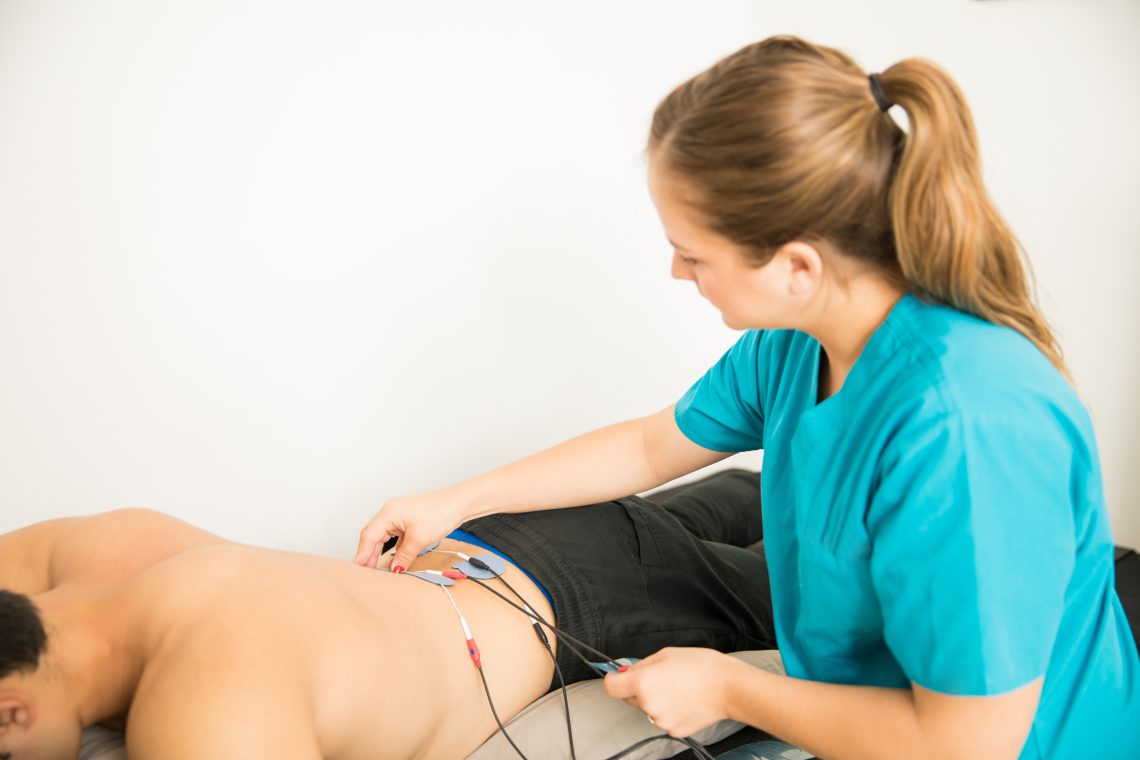
Dry needling is a technique performed by trained physiotherapists or healthcare professionals using thin, sterile needles inserted into trigger points or tight muscles. The goal is to release muscle tension, improve blood circulation, reduce pain, and restore normal muscle function.
Unlike acupuncture, which is based on traditional Chinese medicine, dry needling targets specific muscles and connective tissues using modern anatomical principles.
If you’re new to this treatment, you may also find our article on What is Dry Needling helpful to understand how the procedure works before your first session.
Can You Exercise After Dry Needling?
Yes, you can exercise after dry needling, but high-intensity workouts should generally be avoided for 24 hours.
Immediately after treatment, your muscles are responding to the needle stimulation. They may feel sore, fatigued, or slightly stiff. Exercising too intensely during this recovery period can place additional stress on the treated muscles and may increase discomfort.
Instead, most physiotherapists recommend:
- Gentle walking
- Light stretching
- Easy mobility exercises
- Daily activities without overexertion
These activities encourage healthy blood circulation without overloading recovering muscles.
Why Should You Avoid Intense Exercise?
Dry needling creates a controlled response within the muscle. This response helps release trigger points and promotes healing.
Heavy exercise immediately afterward may:
- Increase muscle soreness
- Delay recovery
- Cause muscle fatigue
- Reduce treatment effectiveness
- Increase inflammation in sensitive tissues
Giving your muscles adequate time to recover allows the treatment to produce the best results.
If you’re wondering whether dry needling is effective in the first place, read our guide on Does Dry Needling Really Work, where we explain the benefits supported by clinical practice.
What Types of Exercise Are Safe After Dry Needling?
1. Walking
Walking is one of the safest activities after treatment. It improves circulation without putting excessive strain on muscles.
A 15–30 minute walk can actually reduce post-treatment stiffness.
2. Gentle Stretching
Light stretching helps maintain flexibility without stressing the treated muscles.
Avoid aggressive stretching immediately after treatment, especially if the area feels tender.
3. Mobility Exercises
Simple mobility drills prescribed by your physiotherapist can help restore movement and prevent stiffness.
Examples include:
- Shoulder circles
- Neck mobility exercises
- Hip rotations
- Cat-cow stretches
4. Low-Impact Activities
After several hours, if soreness is minimal, you may perform activities like:
- Easy cycling
- Casual swimming
- Yoga
- Light Pilates
These exercises promote recovery while keeping the muscles active.
Exercises to Avoid After Dry Needling
For the first 24 hours, it’s generally best to avoid:
- Heavy weightlifting
- Sprinting
- High-intensity interval training (HIIT)
- Long-distance running
- Competitive sports
- Plyometric exercises
- CrossFit workouts
These activities place significant stress on muscles that are already recovering from treatment.
Common Side Effects After Dry Needling
Experiencing mild side effects after dry needling is completely normal.
These may include:
- Muscle soreness
- Mild bruising
- Temporary fatigue
- Slight swelling
- Muscle twitching
Most symptoms disappear within 24 to 48 hours.
If you’re curious about what the treatment actually feels like, our article How Painful Is Dry Needling? explains what you can expect during and after the procedure.
Tips for Faster Recovery After Dry Needling
Stay Hydrated
Water supports muscle recovery and helps flush metabolic waste from treated tissues.
Aim to drink plenty of fluids throughout the day.
Keep Moving
Although strenuous exercise isn’t recommended, complete bed rest isn’t ideal either.
Gentle movement prevents stiffness and improves circulation.
Eat Nutritious Foods
Protein, fruits, vegetables, and anti-inflammatory foods support muscle healing.
Foods rich in omega-3 fatty acids, vitamin C, and magnesium may aid recovery.
Sleep Well
Your body repairs muscles while you sleep.
Getting 7–9 hours of quality sleep after treatment can improve recovery and maximize results.
Follow Your Physiotherapist’s Advice
Every patient is different.
Someone receiving dry needling for neck pain may require different activity restrictions than someone recovering from a sports injury.
Always follow your physiotherapist’s personalized recommendations.
When Can You Return to Your Regular Workout?
Most people can return to their normal exercise routine within 24 hours, provided:
- Muscle soreness has improved
- Range of motion has returned
- No unusual pain is present
Athletes preparing for competitions may receive customized advice depending on their training schedule.
When Should You Contact Your Physiotherapist?
Although complications are uncommon, contact your healthcare provider if you experience:
- Severe pain lasting more than two days
- Significant swelling
- Fever
- Redness spreading around the treatment area
- Difficulty moving the treated muscle
These symptoms should be evaluated promptly.
Can Dry Needling Improve Exercise Performance?
Yes.
When combined with strengthening exercises and physiotherapy, dry needling may help:
- Improve muscle flexibility
- Increase range of motion
- Reduce muscle tightness
- Speed up recovery from sports injuries
- Improve movement quality
- Decrease pain during exercise
Many athletes include dry needling as part of a comprehensive rehabilitation and performance program rather than relying on it alone.
Final Thoughts
So, can you exercise after dry needling? Yes, but moderation is key. Light activities such as walking, stretching, and mobility exercises are usually encouraged, while intense workouts should be postponed for about 24 hours. This allows your muscles to recover, reduces soreness, and helps you gain the maximum benefit from the treatment.
Dry needling works best when combined with proper rehabilitation exercises, hydration, adequate rest, and guidance from a qualified physiotherapist. By following these recommendations, you can recover faster, return to your workouts safely, and enjoy long-term improvements in muscle health and movement.