
Sacroiliac (SI) joint pain can cause discomfort in the lower back, buttocks, hips, and sometimes the legs. Everyday activities such as walking, climbing stairs, standing for long periods, or getting out of a chair may become uncomfortable. Because the SI joint connects the spine to the pelvis, problems in this area can sometimes feel similar to other types of lower back or leg pain.
Osteopathy is a hands-on approach that focuses on the relationship between muscles, joints, posture, and movement. Depending on the underlying cause of your symptoms, osteopathic treatment may help improve movement around the pelvis and reduce factors that contribute to SI joint discomfort.
What Is Sacroiliac Joint Pain?
The sacroiliac joints are located on both sides of the lower spine, where the sacrum connects with the pelvis. These joints help transfer forces between the upper body and legs and provide stability when you walk, run, bend, or change position.
SI joint pain can develop when the joint or surrounding tissues become irritated or overloaded. Possible contributing factors include:
- Repetitive physical activity
- Poor movement patterns
- Prolonged sitting or standing
- Sudden changes in activity
- Muscle tightness or weakness
- Previous injuries
- Pregnancy-related changes
- Differences in how the legs, pelvis, or spine move
SI joint discomfort may be felt primarily in one side of the lower back or buttock. Some people may also experience pain that spreads toward the hip or thigh.
If you are experiencing persistent lower back symptoms, it can also be useful to understand what causes sciatica pain because sciatica and SI joint pain can sometimes produce similar symptoms.
Can Osteopathy Help Sacroiliac Joint Pain?
Osteopathy may help some people with SI joint pain by addressing restrictions in movement and tension in the muscles and soft tissues around the pelvis and lower back.
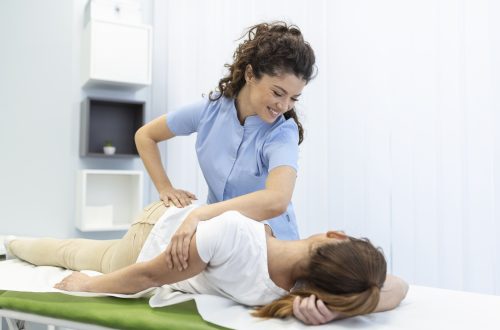
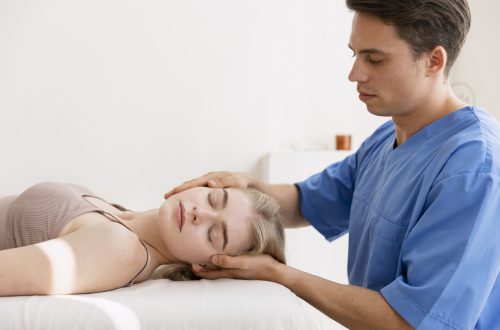
During an osteopathic assessment, a practitioner may examine how the spine, pelvis, hips, and surrounding muscles move. They may also consider posture, previous injuries, activity levels, and movement habits.
Treatment can involve gentle hands-on techniques designed to improve mobility and reduce excessive tension in affected areas. The exact approach depends on the person’s symptoms and assessment findings.
The goal is not simply to treat the painful area but to identify physical factors that may be contributing to the discomfort.
How Osteopathy May Help
Osteopathic treatment may support SI joint pain management in several ways.
1. Improving Joint Mobility
Restricted movement around the lower back, pelvis, or hips may place additional stress on surrounding tissues. Hands-on techniques may help improve mobility in these areas and make movement more comfortable.
2. Reducing Muscle Tension
Tight muscles around the lower back, hips, and pelvis can contribute to altered movement. Osteopathic techniques may help reduce excessive muscle tension and improve how these areas function together.
3. Addressing Movement Patterns
The way you walk, sit, bend, lift, or exercise can influence the load placed on the pelvis. An osteopathic assessment can help identify movement patterns that may be contributing to recurring discomfort.
4. Supporting Overall Function
Rather than focusing only on pain reduction, treatment may aim to improve mobility and everyday function. Your practitioner may also recommend exercises or activity modifications to support longer-term recovery.
If your SI joint symptoms are accompanied by more generalized back discomfort, you may also find our guide on how to relieve back pain helpful.
What Happens During an Osteopathy Session?
Your first appointment will generally involve an assessment of your symptoms and physical movement. The practitioner may ask when the pain started, what activities make it worse, whether you have experienced previous injuries, and how the symptoms affect your daily activities.
They may assess:
- Lower back and pelvic movement
- Hip mobility
- Muscle tension
- Posture and movement patterns
- Areas of tenderness
- Functional movements such as walking or bending
Based on the assessment, the practitioner may use appropriate hands-on techniques and provide exercises or advice for managing your symptoms between appointments.
The number of sessions required varies. Some people may notice changes after a small number of treatments, while others may require a longer rehabilitation approach depending on the cause and duration of their symptoms.
For more information about osteopathic treatment, read more is osteopathy effective.
Is Osteopathy Safe for SI Joint Pain?
Osteopathy is generally considered a conservative, hands-on approach, but its suitability depends on the individual and the cause of the pain. A proper assessment is important before treatment, particularly when pain is severe, persistent, or associated with other symptoms.
You should seek medical evaluation if SI joint or lower back pain is accompanied by symptoms such as significant weakness, numbness, loss of bladder or bowel control, unexplained weight loss, fever, or pain following a serious injury.
These symptoms may require further medical investigation rather than relying solely on manual treatment.
What Else Can Help SI Joint Pain?
Osteopathy may be one part of a broader treatment plan. Depending on your condition, management may include targeted exercises, strengthening, mobility work, posture and movement education, and temporary modification of activities that aggravate symptoms.
Maintaining appropriate physical activity is often preferable to prolonged inactivity. However, exercises should be selected according to your symptoms and physical abilities.
If you regularly experience lower back discomfort, learning how to sleep with lower back pain may also help you find more comfortable sleeping positions while recovering.
Final Thoughts
So, can osteopathy help sacroiliac joint pain? It may help some people, particularly when symptoms are associated with restricted movement, muscle tension, or altered movement patterns around the lower back, hips, and pelvis.
A personalized assessment is important because pain around the SI joint can have different causes and may sometimes resemble conditions such as sciatica or other forms of back pain. Osteopathy can potentially be used alongside exercise and other rehabilitation strategies to improve movement and support recovery.
If your SI joint pain is persistent, worsening, or affecting your ability to perform everyday activities, consult a qualified healthcare professional for an appropriate assessment and treatment plan.