Cupping therapy is a popular treatment used to relieve muscle tension, reduce discomfort, and support recovery. But if you have never tried it before, you may wonder: does cupping therapy hurt?
For most people, cupping does not cause significant pain. Instead, you may feel a strong pulling or tight sensation on the skin as the cups create suction. Some people may experience mild soreness, tenderness, or circular marks on the skin after treatment. These effects are usually temporary.
Understanding what happens during cupping therapy can help you know what to expect and decide whether it is appropriate for you.
Does Cupping Therapy Hurt?
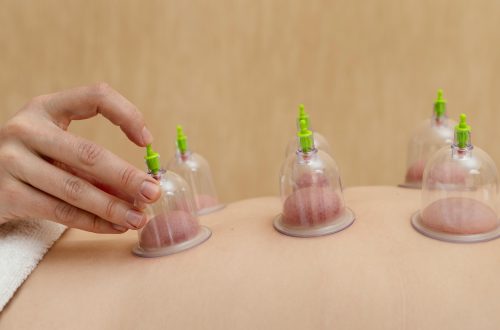
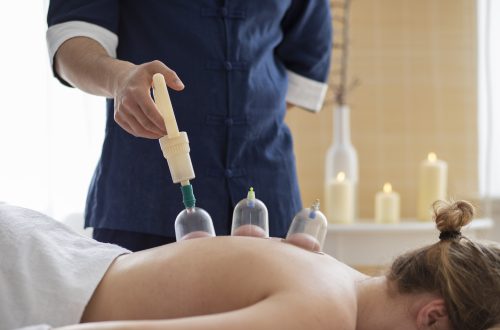
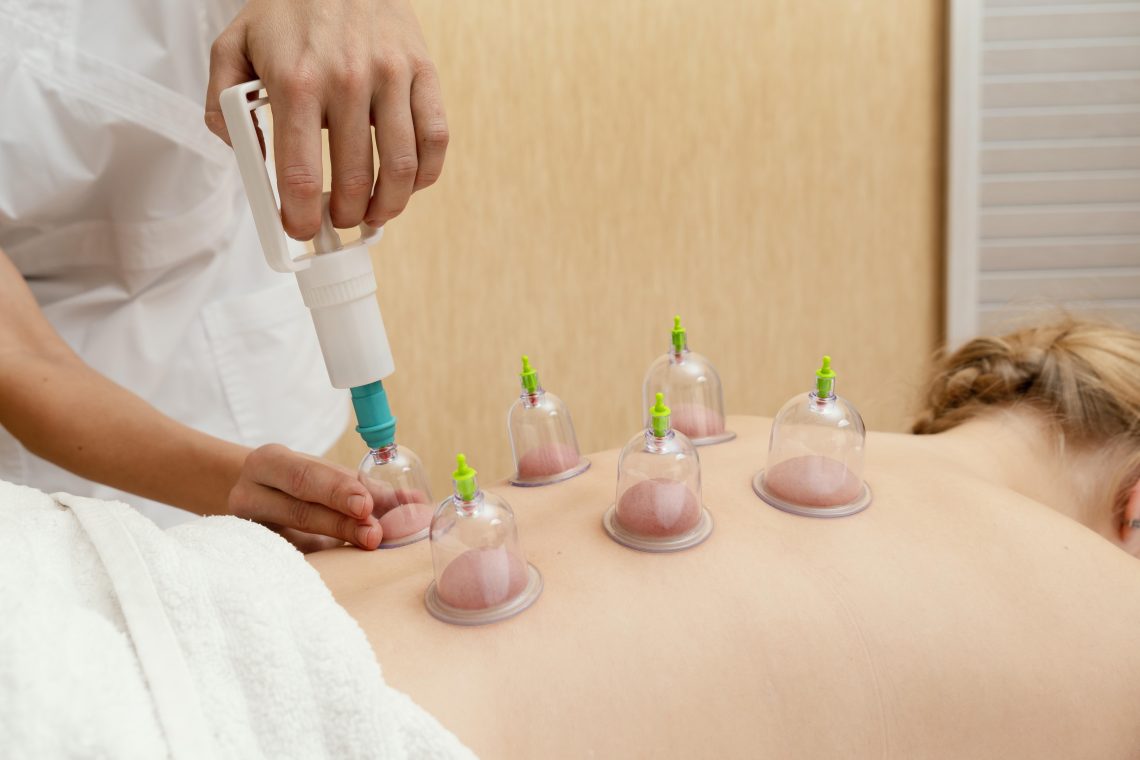
Generally, cupping therapy should not be severely painful. During a session, cups are placed on the skin and suction is created inside them. This suction gently pulls the skin and underlying tissues upward.
You may experience sensations such as:
- Tightness or pulling of the skin
- Mild pressure
- A warm or tingling feeling
- Temporary tenderness
- Mild discomfort as the suction increases
The intensity can vary depending on the type of cupping, suction strength, treatment area, and individual sensitivity.
If the suction feels excessively painful, you should tell the therapist. The suction can often be adjusted to make the treatment more comfortable.
Why Can Cupping Feel Uncomfortable?
The sensation comes mainly from the negative pressure created by the cup. The suction pulls the skin and superficial tissues into the cup, which can create a feeling of pressure or stretching.
Some areas of the body may also be more sensitive than others. Muscles that are already tight or tender may feel more uncomfortable during treatment.
Your first session may also feel different because your body is not accustomed to the sensation. A qualified practitioner should gradually adjust the treatment according to your comfort level.
If you are interested in other hands-on approaches for muscle tension, you may also want to read about what is trigger point release and how targeted techniques can address tight or sensitive muscles.
Does Cupping Leave Marks?
Yes. One of the most noticeable effects of cupping is the appearance of round red, purple, or dark marks where the cups were placed.
These marks can look similar to bruises, but they are a normal result of the suction used during treatment. Their color and intensity can vary from person to person.
The marks are generally temporary and gradually fade over several days. How long they remain visible depends on factors such as:
- Skin sensitivity
- Suction intensity
- Duration of treatment
- Treatment area
- Individual healing response
Cupping marks should not normally be accompanied by severe pain or significant swelling. If you develop unusual or worsening symptoms after treatment, contact a healthcare professional.
Is Cupping Therapy Painful After the Session?
Some people experience mild tenderness or soreness after cupping, particularly when pressure is applied to the treated area.
This discomfort is usually temporary. You may feel as though the muscles have been worked or treated, especially when cups have been placed over tight muscles.
Staying hydrated and allowing your body to rest after treatment may help you feel more comfortable.
If you want to understand the potential discomfort associated with another popular treatment technique, read is cupping therapy painful for more information about what patients may experience.
Does Wet Cupping Hurt More Than Dry Cupping?
There are different forms of cupping therapy. Dry cupping uses suction without intentionally breaking the skin, while wet cupping involves creating small superficial skin openings before suction is applied.
Because wet cupping involves the skin being punctured, it can cause more discomfort than dry cupping. It also has additional considerations related to bleeding, infection, and wound care.
For this reason, wet cupping should only be performed by a properly trained professional using appropriate hygiene and safety procedures.
What Are the Side Effects of Cupping Therapy?
Most side effects associated with conventional dry cupping are mild and temporary. Possible effects include:
- Circular skin marks
- Mild soreness
- Skin tenderness
- Temporary irritation
- Minor swelling in the treated area
More significant problems can occur if cupping is performed incorrectly or if appropriate hygiene practices are not followed.
For a broader overview, read cupping therapy side effects to learn about possible reactions and safety considerations.
Is Cupping Therapy Safe for Everyone?
Cupping may not be appropriate for everyone. Before undergoing treatment, it is important to discuss your medical history and current medications with a qualified healthcare professional.
Extra caution may be needed for people with certain bleeding or clotting conditions, skin problems, infections, or other health concerns. Wet cupping requires additional precautions because it involves breaking the skin.
Pregnant people and individuals with chronic medical conditions should seek appropriate professional advice before trying cupping therapy.
How Can You Make Cupping More Comfortable?
If you are concerned about pain, there are several ways to make the experience more comfortable:
- Choose a qualified practitioner: Proper technique can make a significant difference.
- Communicate during treatment: Tell the therapist if the suction feels too strong.
- Start gently: Beginners may benefit from lower suction intensity.
- Avoid irritated skin: Cups should not be placed over damaged or infected skin.
- Follow aftercare advice: Give treated areas time to recover.
A good practitioner should prioritize your comfort rather than assuming that stronger suction produces better results.
What Should You Expect During Your First Cupping Session?
Your therapist will typically discuss your symptoms and treatment goals before beginning. The cups are then positioned over selected areas of the body.
Once suction is created, you may feel pulling or pressure. The cups may remain in place for several minutes, depending on the treatment approach.
After the cups are removed, you may notice circular marks or mild tenderness. These usually settle gradually.
If you experience severe pain, significant swelling, blistering, persistent bleeding, or other concerning symptoms, seek medical advice.
Final Thoughts
So, does cupping therapy hurt? For most people, cupping is more likely to feel like pressure, pulling, or tightness than sharp pain. Mild soreness and temporary circular marks can occur after treatment.
However, everyone’s response is different. The amount of suction, treatment technique, and sensitivity of the treated area can all affect how cupping feels.
If you are considering cupping therapy for muscle pain or another concern, speak with a qualified physiotherapy professional to determine whether it is suitable for you and what type of treatment may be appropriate.