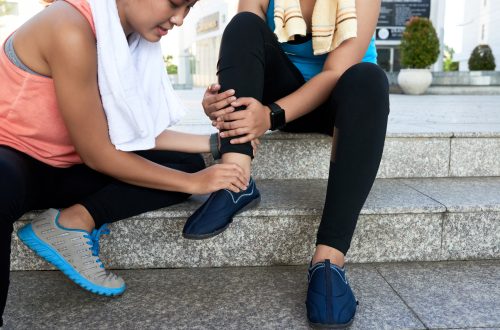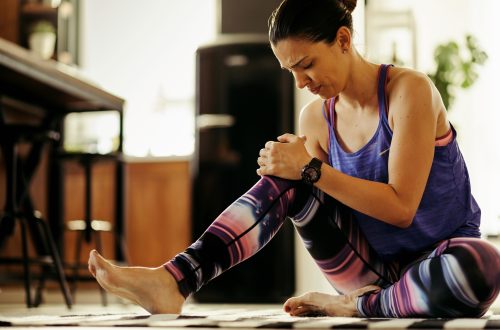
Sports injuries are common among athletes and fitness enthusiasts, whether you’re a beginner or a professional. From sprains and strains to ligament tears and fractures, injuries can interrupt your routine and affect your overall performance. Knowing how to deal with sports injuries properly is essential for faster recovery and preventing long-term damage.
In this guide, we’ll cover immediate care, treatment options, recovery strategies, and prevention tips to help you stay active and injury-free.
Common Types of Sports Injuries
Before learning how to manage injuries, it’s important to understand the most common types:
- Sprains and strains – affecting ligaments and muscles
- ACL injuries – common in sports like football and basketball
- Tennis elbow – due to repetitive arm movement
- Fractures and dislocations
- Shin splints and muscle tears
If you want a deeper understanding, you can explore how injuries happen in detail in our guide on how can we prevent sports injuries, which explains the root causes and risk factors.
1. Immediate First Aid: The R.I.C.E Method
The first step in dealing with any sports injury is immediate care. The R.I.C.E method is widely recommended:
- Rest – Stop the activity immediately to prevent further damage
- Ice – Apply ice for 15–20 minutes to reduce swelling
- Compression – Use an elastic bandage to control inflammation
- Elevation – Keep the injured area elevated above heart level
This method is especially effective for minor injuries like sprains, strains, and swelling.
2. Know When to Seek Medical Help
While many injuries can be treated at home, some require professional attention. Seek medical help if you experience:
- Severe pain or swelling
- Inability to move the joint
- Visible deformity
- Numbness or tingling
For example, serious ligament damage like an ACL tear needs proper diagnosis. You can learn more about warning signs in what is acl injury symptoms to identify whether your injury is severe.
3. Start Gentle Movement and Rehabilitation
After the initial pain and swelling reduce, it’s important to gradually reintroduce movement. Complete rest for too long can lead to stiffness and muscle weakness.
- Begin with light stretching
- Progress to strengthening exercises
- Follow a guided rehabilitation plan
If you’re recovering from a specific injury like ankle sprain, check out how to treat a sprained ankle for step-by-step recovery guidance.
4. Physical Therapy for Faster Recovery
Physiotherapy plays a crucial role in healing sports injuries. A trained physiotherapist can:
- Improve mobility and flexibility
- Strengthen injured muscles
- Prevent re-injury
- Speed up recovery
Therapies like dry needling, manual therapy, and targeted exercises can significantly improve healing time.
5. Pain Management Techniques
Managing pain properly is essential during recovery. Here are some effective options:
- Over-the-counter pain relievers (as advised by a doctor)
- Heat therapy after initial swelling reduces
- Massage therapy to relax muscles
- Support braces or taping
For repetitive strain injuries like tennis elbow, you can explore how to treat tennis elbow at home for targeted relief techniques.
6. Nutrition and Hydration
Your body needs proper nutrition to heal. Focus on:
- Protein-rich foods for muscle repair
- Calcium and Vitamin D for bone strength
- Anti-inflammatory foods like fruits, vegetables, and nuts
- Staying hydrated
A healthy diet can significantly speed up recovery and reduce inflammation.
7. Rest and Sleep
Never underestimate the power of rest. Sleep is when your body repairs tissues and recovers.
- Aim for 7–8 hours of sleep
- Avoid overtraining during recovery
- Take breaks between workouts
8. Preventing Future Sports Injuries
Prevention is always better than cure. To avoid future injuries:
- Warm up before exercise
- Stretch after workouts
- Use proper technique and equipment
- Strengthen core muscles
- Avoid overtraining
You can also read our detailed guide on how to avoid sports injuries for practical prevention strategies.
9. Mental Recovery Matters Too
Injuries don’t just affect your body they also impact your mindset. Staying positive, setting realistic goals, and gradually returning to activity are key to a successful recovery.
Final Thoughts
Knowing how to deal with sports injuries can make a huge difference in your recovery journey. Quick first aid, proper rehabilitation, and preventive measures can help you get back to your routine safely and efficiently.
Always listen to your body pushing through pain can worsen the injury. With the right care and guidance, you can recover faster and come back stronger than before.