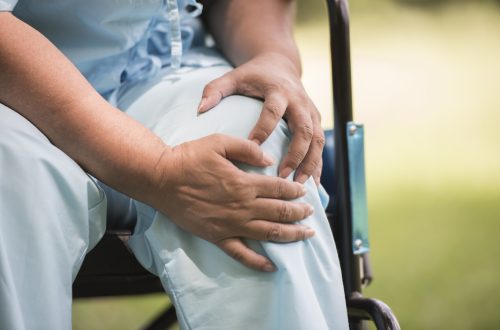
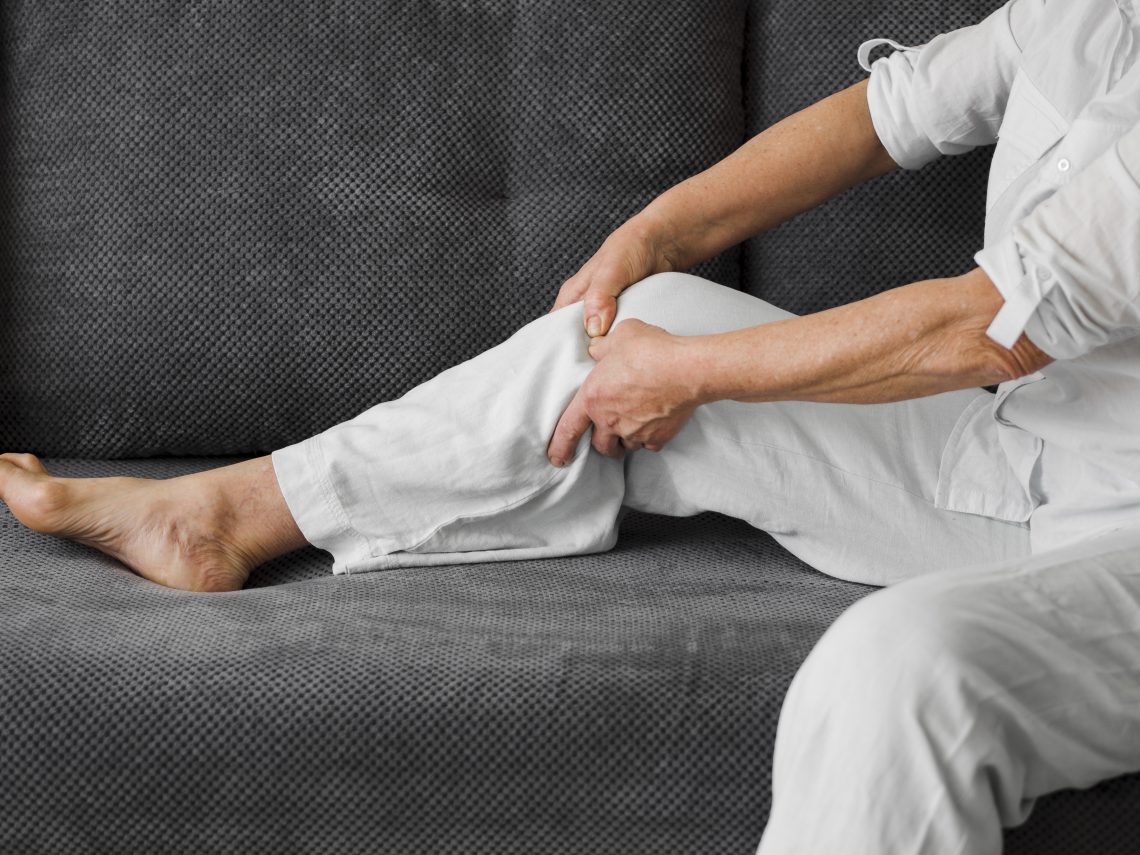
Knee arthritis is one of the most common joint problems affecting people of all ages, especially older adults. It can cause pain, stiffness, swelling, and difficulty walking or performing daily activities. While arthritis cannot always be completely avoided, there are many effective ways to reduce your risk and protect your knee joints for the long term.
In this article, we’ll explore practical and medically recommended strategies on how to prevent arthritis in knees, including lifestyle changes, exercises, diet tips, and joint care techniques.
What Causes Knee Arthritis?
Knee arthritis usually develops due to wear and tear of the cartilage that cushions the knee joint. The most common type is osteoarthritis, which occurs gradually over time. Other causes include:
- Excess body weight
- Previous knee injuries
- Lack of physical activity
- Poor posture and joint alignment
- Genetics and aging
- Repetitive stress on the knees
Inflammation inside the joint can slowly damage cartilage, making movement painful and stiff.
If you already experience occasional knee discomfort, you may also want to read our guide on how to reduce knee pain for early relief and prevention tips.
1. Maintain a Healthy Weight
One of the best ways to prevent arthritis in knees is to maintain a healthy body weight. Excess weight places additional pressure on your knee joints every time you walk, climb stairs, or stand up.
Studies show that even small weight loss can significantly reduce stress on the knees and lower the risk of osteoarthritis.
Tips for healthy weight management:
- Eat balanced meals rich in vegetables and lean protein
- Reduce processed foods and sugary drinks
- Stay physically active daily
- Avoid crash diets
Healthy weight management not only protects your knees but also improves overall joint health.
2. Exercise Regularly
Regular exercise keeps the muscles around the knees strong and flexible. Strong muscles provide better support to the joints and reduce strain on the cartilage.
Best exercises for knee arthritis prevention:
- Walking
- Swimming
- Cycling
- Yoga
- Strength training
- Stretching exercises
Low-impact activities are ideal because they improve mobility without putting too much pressure on the knees. If you’re wondering whether aquatic exercises help joint health, check out our article on does swimming help arthritis.
3. Strengthen the Muscles Around Your Knees
Weak thigh and leg muscles increase pressure on the knee joint. Strengthening these muscles improves stability and protects the knees from injury.
Helpful strengthening exercises:
- Straight leg raises
- Wall sits
- Step-ups
- Hamstring curls
- Calf raises
Always start slowly and maintain proper form to avoid unnecessary strain.
4. Prevent Knee Injuries
Old knee injuries are one of the leading causes of arthritis later in life. Damage to ligaments, cartilage, or bones can increase wear and tear inside the joint.
Ways to avoid knee injuries:
- Warm up before exercise
- Wear proper footwear
- Use knee support if needed
- Avoid sudden twisting movements
- Practice correct sports techniques
Sports-related knee injuries like ACL tears can significantly increase arthritis risk. Learn more in our guide on how to prevent ACL injury.
5. Improve Your Posture and Body Mechanics
Poor posture and incorrect movement patterns can place uneven pressure on the knees. Sitting incorrectly, lifting heavy objects improperly, or standing with poor alignment can all contribute to joint stress over time.
Tips for better posture:
- Keep your back straight while sitting
- Avoid crossing your legs for long periods
- Lift objects using your legs instead of your back
- Wear supportive shoes
Good posture helps distribute weight evenly across the joints and reduces unnecessary pressure on the knees.
6. Follow an Anti-Inflammatory Diet
Inflammation plays a major role in arthritis development. Eating anti-inflammatory foods can help protect your joints and improve overall health.
Foods that support joint health:
- Fatty fish rich in omega-3s
- Nuts and seeds
- Leafy green vegetables
- Berries
- Olive oil
- Turmeric and ginger
At the same time, limit processed foods, fried foods, excess sugar, and refined carbohydrates, which may increase inflammation.
You may also find our article on does sugar cause arthritis helpful for understanding the connection between diet and joint health.
7. Stay Active Throughout the Day
Long periods of inactivity can make joints stiff and weak. Movement helps lubricate the joints and keeps them functioning properly.
Simple ways to stay active:
- Take short walking breaks
- Stretch every hour if you sit for long periods
- Use stairs instead of elevators
- Do gentle mobility exercises at home
Consistency is more important than intense workouts when it comes to joint protection.
8. Avoid Overloading Your Knees
While exercise is important, excessive strain on the knees can damage cartilage over time. Activities involving repetitive jumping, squatting, or heavy lifting may increase wear and tear.
Balance activity with proper rest and recovery to protect your joints.
9. Get Early Treatment for Knee Pain
Ignoring knee pain can lead to worsening joint damage. Early diagnosis and treatment can slow arthritis progression and improve mobility.
If you notice swelling, stiffness, or pain that lasts more than a few weeks, consult a healthcare professional. You can also explore our guide on how to cure knee pain at home for natural relief methods.
10. Consider Physical Therapy
Physical therapy can help strengthen muscles, improve flexibility, and correct movement patterns that contribute to joint stress. A physiotherapist can create a personalized exercise plan based on your condition and fitness level.
Final Thoughts
Preventing knee arthritis requires a combination of healthy lifestyle habits, regular exercise, weight management, and joint protection. While aging and genetics cannot always be controlled, many risk factors can be managed through simple daily changes.
By staying active, eating a healthy diet, protecting your knees from injuries, and addressing pain early, you can significantly reduce your chances of developing arthritis in your knees and maintain better mobility for years to come.