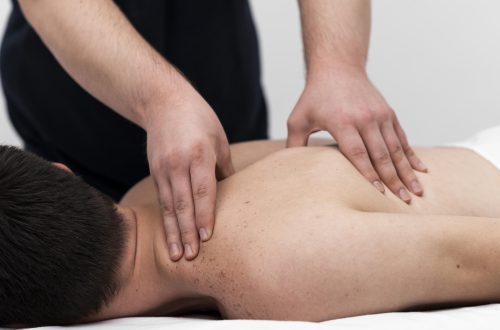
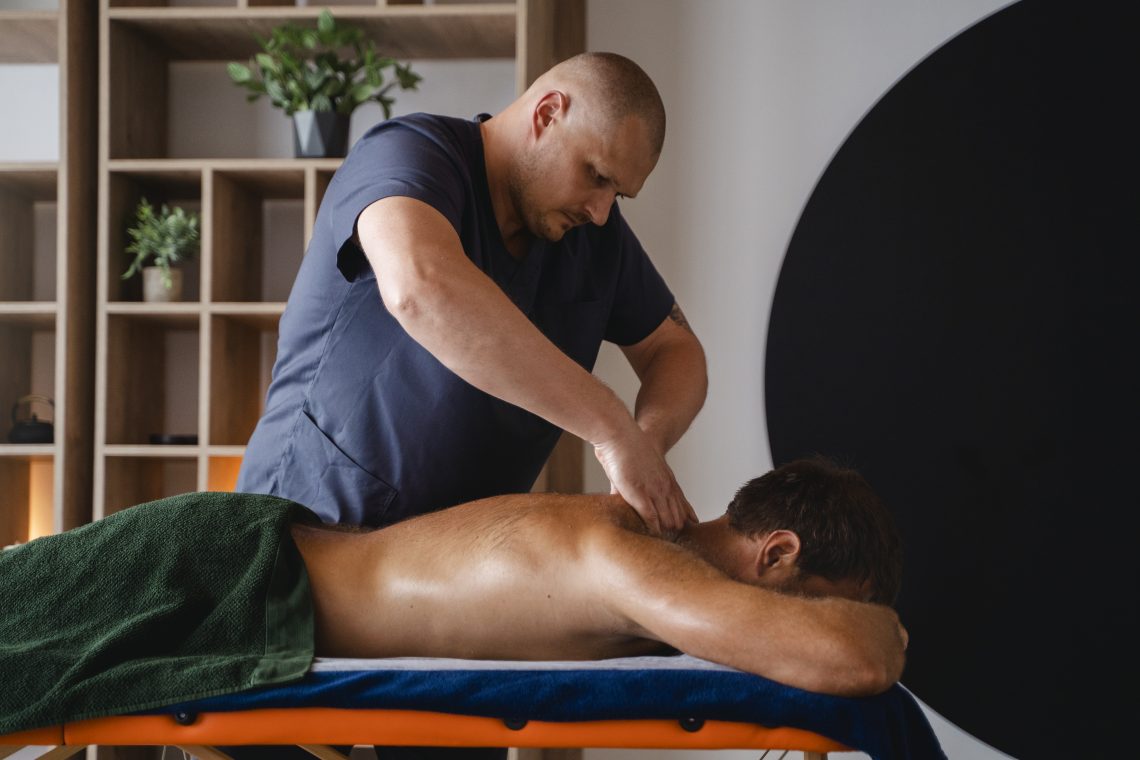
Sports massage is a type of therapeutic massage designed to support people who participate in physical activity, exercise, or sports. It focuses on muscles and soft tissues that experience stress, tension, and repetitive strain during physical activity.
But what is the purpose of sports massage? Its main purpose is to help the body prepare for physical activity, recover after exercise, manage muscle tightness, and maintain healthy movement. It can be useful for professional athletes as well as recreational runners, gym-goers, cyclists, and people who regularly exercise.
Sports massage may use techniques such as kneading, compression, stretching, and targeted pressure to address areas of muscle tension. The approach can vary depending on whether the massage is performed before or after exercise and the individual’s physical needs.
What Is Sports Massage Used For?
The purpose of sports massage is not limited to treating sports injuries. It can be incorporated into an overall fitness and recovery routine to support muscle function and physical well-being.
Some common purposes of sports massage include:
- Relieving muscle tightness and tension
- Supporting recovery after intense exercise
- Improving flexibility and range of motion
- Increasing awareness of areas of muscular discomfort
- Helping prepare muscles for physical activity
- Reducing the effects of repetitive physical stress
- Supporting an overall exercise recovery routine
Sports massage should complement appropriate training, rest, hydration, and injury management rather than replace them.
How Does Sports Massage Help Muscle Recovery?
Intense exercise can place considerable stress on muscles. After demanding activity, muscles may feel tight, tired, or uncomfortable. A suitable massage may help relax tense muscles and make movement feel more comfortable.
Massage also involves mechanical stimulation of the soft tissues, which may temporarily influence circulation and muscle tone. Many people find this useful as part of their post-exercise recovery routine.
However, sports massage is not a guaranteed way to prevent delayed-onset muscle soreness or speed recovery from every type of injury. Recovery also depends on factors such as training intensity, sleep, nutrition, hydration, and the individual’s overall health.
If discomfort follows a sports injury, understanding how to recover from sports injury can help you take a more comprehensive approach to recovery.
Can Sports Massage Improve Flexibility?
Muscle tightness can sometimes affect how comfortably a person moves. Sports massage may help reduce the sensation of tightness and temporarily improve flexibility or range of motion.
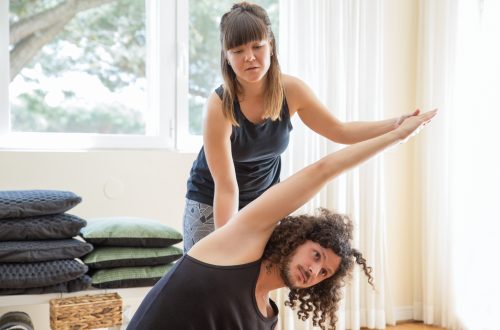
For athletes, maintaining good mobility can be important because sports often require repeated movements through different ranges of motion. Massage may be one part of a broader mobility program that also includes appropriate stretching and strengthening exercises.
The effect can vary between individuals, and massage should not be used to force a joint or muscle beyond its comfortable range.
Can Sports Massage Help Prevent Sports Injuries?
One purpose of sports massage is to support an athlete’s overall physical maintenance routine. By addressing areas of muscular tightness and discomfort, it may help people become more aware of how their bodies feel during training.
However, sports massage alone cannot prevent sports injuries.
Injury prevention generally involves proper warm-ups, gradual increases in training load, appropriate technique, adequate recovery, and suitable strength and conditioning. Learning how to prevent sports injuries can provide additional guidance for reducing common exercise-related risks.
If persistent pain, swelling, weakness, or restricted movement develops, it is important to have the problem properly assessed rather than relying on massage alone.
What Is the Purpose of Sports Massage Before Exercise?
Sports massage can be performed before physical activity, although the technique and intensity may differ from a traditional recovery massage.
A pre-event or pre-exercise massage is generally intended to prepare the body for activity. It may involve shorter, lighter techniques designed to help a person feel physically prepared without leaving the muscles overly relaxed or sore.
The timing and intensity should depend on the activity, individual preferences, and the therapist’s assessment. A very deep massage immediately before demanding exercise may not be appropriate for everyone.
What Is the Purpose of Sports Massage After Exercise?
Post-exercise sports massage is commonly used as part of a recovery routine. The goal may be to help the muscles relax, reduce the feeling of tightness, and promote comfortable movement following physical activity.
Some people choose sports massage after particularly demanding training sessions, competitions, or events. Others use it periodically as part of their regular fitness routine.
For people with recurring muscle tightness, massage can be combined with other appropriate strategies such as mobility exercises, strengthening, rest, and proper training management.
You can also learn more about the benefits of sports massage to understand how it may fit into an exercise and recovery program.
Who Can Benefit From Sports Massage?
Sports massage isn’t only for professional athletes. It may be appropriate for a wide range of physically active people, including:
- Runners
- Cyclists
- Gym-goers
- Swimmers
- Football and cricket players
- Weightlifters
- Recreational athletes
- People participating in regular fitness activities
The massage technique should be adapted to the person’s activity level, physical condition, and goals.
Someone training for a marathon, for example, may have different needs from someone who exercises at the gym a few times a week.
How Often Should You Get a Sports Massage?
There is no single schedule that works for everyone. The appropriate frequency depends on factors such as training volume, exercise intensity, recovery needs, and whether the person has a specific area of concern.
Some people may benefit from occasional sessions around demanding periods of training, while others may incorporate massage into a regular recovery routine.
More frequent massage is not necessarily better. The body also needs sufficient time for recovery, and persistent pain should be assessed rather than repeatedly treated with massage.
Is Sports Massage Suitable After an Injury?
Sports massage may be useful in some stages of recovery, but it is not appropriate for every injury or every stage of healing.
For example, applying strong pressure to an acute injury with significant swelling, bruising, or tissue damage could potentially aggravate the problem. Anyone with a significant injury should first seek an appropriate assessment.
Once the injury has been evaluated, a physiotherapist or other qualified healthcare professional can determine whether massage or other rehabilitation techniques are appropriate.
For example, people recovering from an ankle injury may need a structured rehabilitation plan rather than massage alone. Understanding how to treat a sprained ankle can provide useful information about the broader recovery process.
Final Thoughts
The purpose of sports massage is to support physical activity, muscle recovery, mobility, and overall muscular well-being. It may help reduce the feeling of muscle tightness, support comfortable movement, and become a useful part of an athlete’s recovery routine.
However, sports massage works best as part of a broader approach that includes appropriate exercise, strength training, stretching, rest, hydration, and injury prevention.
If you have ongoing pain or a suspected injury, don’t rely on massage alone. A proper assessment can help identify the underlying problem and determine the most appropriate treatment and rehabilitation approach.