Acupuncture and dry needling both use thin needles inserted into the body, so it is easy to assume they are the same treatment. However, acupuncture and dry needling are different therapies with different principles, techniques, and treatment goals.
While both may be used to manage pain and muscle problems, the practitioner typically targets different areas and uses a different approach depending on the condition being treated.
Understanding the difference can help you determine which treatment may be more appropriate for your specific symptoms.
What Is Acupuncture?
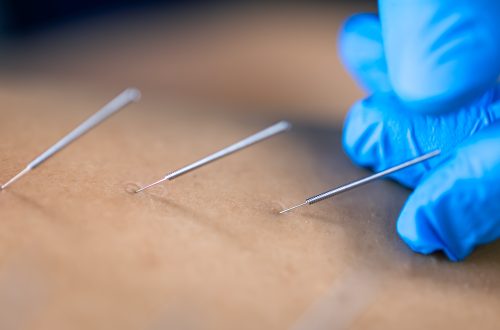
Acupuncture is a traditional therapy that originated in China and has been practiced for thousands of years. It involves inserting very thin needles into specific points on the body.
Traditional acupuncture is based on the concept of stimulating acupuncture points and influencing the flow of Qi (energy) through pathways known as meridians. Modern acupuncture practitioners may also describe its effects in terms of stimulating nerves, muscles, and connective tissue and influencing pain-processing mechanisms.
Acupuncture may be used for various conditions, including:
- Chronic pain
- Headaches and migraines
- Neck and back pain
- Joint pain
- Muscle discomfort
- Some types of nerve-related symptoms
If you frequently experience headaches, you may also want to read our guide on how to get instant relief from headache to learn about other approaches that may help manage headache symptoms.
What Is Dry Needling?
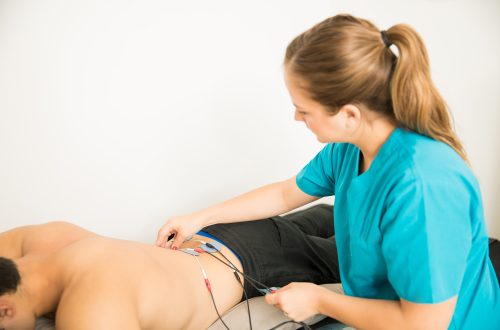
Dry needling is a technique commonly used by trained physiotherapists and other healthcare professionals to address muscle-related pain and dysfunction.
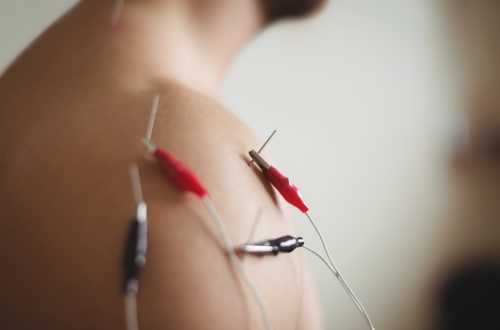
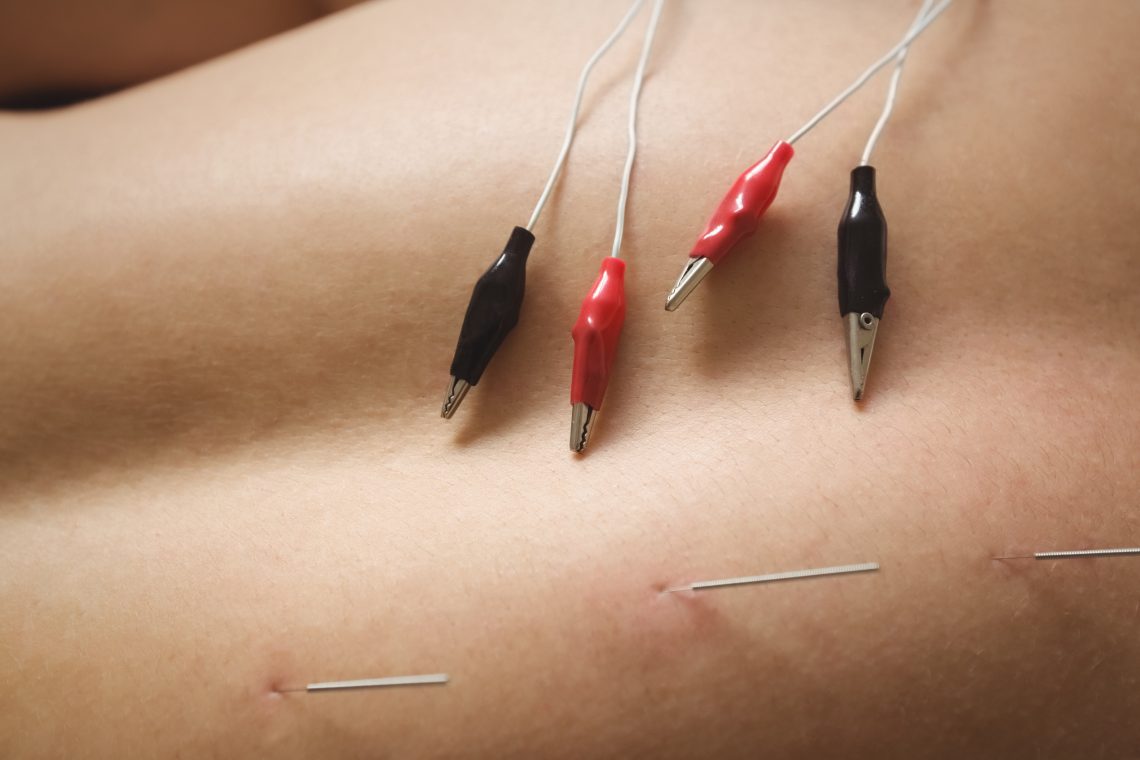
During dry needling, a thin, solid needle is inserted into specific muscles or myofascial trigger points. The goal is generally to stimulate the affected tissue and help reduce muscle tension, improve movement, and manage pain.
Unlike an injection, no medication or fluid is injected into the body, which is why it is called dry needling.
Dry needling may be considered for problems such as:
- Muscle tightness
- Myofascial trigger points
- Sports-related muscle injuries
- Neck and shoulder pain
- Back pain
- Certain types of elbow pain
- Muscle-related movement restrictions
You can learn more about the technique in our detailed guide on what is dry needling.
Acupuncture vs Dry Needling: What Is the Difference?
Although both treatments use needles, their clinical approach and treatment philosophy differ.
| Feature | Acupuncture | Dry Needling |
|---|---|---|
| Origin | Traditional Chinese medicine | Modern musculoskeletal therapy |
| Main approach | Acupuncture points and traditional meridian-based concepts | Muscles, trigger points and musculoskeletal tissues |
| Common purpose | Pain management and various health conditions | Muscle pain, tension and movement problems |
| Needle placement | Specific acupuncture points | Often directly into affected muscles or trigger points |
| Medication injected | No | No |
| Common practitioners | Acupuncturists and appropriately trained healthcare professionals | Physiotherapists and other appropriately trained healthcare professionals |
The exact scope of practice and professional requirements can vary depending on the country and local regulations.
Are Acupuncture and Dry Needling Painful?
Neither treatment should necessarily be highly painful, although some people may experience a brief sensation when the needle is inserted.
With dry needling, stimulation of a trigger point can sometimes produce a brief twitch response or an aching sensation. Some people may also experience temporary soreness afterward, similar to muscle soreness following exercise.
Acupuncture sensations can vary depending on the acupuncture point, technique, and individual sensitivity.
If you are considering dry needling, you can also read is cupping therapy painful to understand how another commonly used therapy for muscular discomfort may feel.
What Conditions Can Dry Needling Help With?
Dry needling is primarily used as part of a broader treatment plan for musculoskeletal problems. A physiotherapist may combine it with exercises, manual therapy, stretching, posture correction, and other rehabilitation techniques.
For example, someone with persistent tennis elbow may receive a combination of therapeutic exercises and other physiotherapy techniques rather than relying on dry needling alone.
You can read more about this condition in our guide on how to treat tennis elbow at home.
Similarly, people experiencing tight muscles or trigger points may benefit from an assessment to determine whether dry needling is appropriate.
Does Dry Needling Increase Blood Flow?
One commonly discussed effect of dry needling is a local response in the treated tissue. Needle stimulation may influence circulation and nervous-system responses around the targeted area.
However, dry needling should not be viewed simply as a method for “increasing blood flow.” Its potential benefits depend on the underlying condition, the treatment technique, and the individual.
For more information, see our article on does dry needling increase blood flow.
Which Is Better: Acupuncture or Dry Needling?
There is no universal answer because the appropriate treatment depends on your condition, symptoms, medical history, and treatment goals.
Dry needling may be particularly relevant when the problem involves muscle tightness, trigger points, or musculoskeletal dysfunction. Acupuncture may be considered for pain management and other conditions within the practitioner’s scope of practice.
A qualified healthcare professional should assess your symptoms before deciding whether either technique is appropriate.
It is also important to remember that needling therapies are generally not standalone cures. For many musculoskeletal conditions, a comprehensive rehabilitation program involving appropriate exercises and lifestyle modifications may be an important part of recovery.
Is Dry Needling the Same as Acupuncture? Final Answer
No, acupuncture and dry needling are not the same. Although both involve inserting thin needles into the body, they differ in their underlying approaches, target areas, and typical clinical applications.
Acupuncture traditionally focuses on specific acupuncture points and originates from traditional Chinese medicine, while dry needling generally targets muscles, myofascial trigger points, and other musculoskeletal structures.
If you are experiencing persistent pain, muscle tightness, or restricted movement, speak with a qualified healthcare professional. They can evaluate the cause of your symptoms and recommend the most appropriate treatment approach for you.